
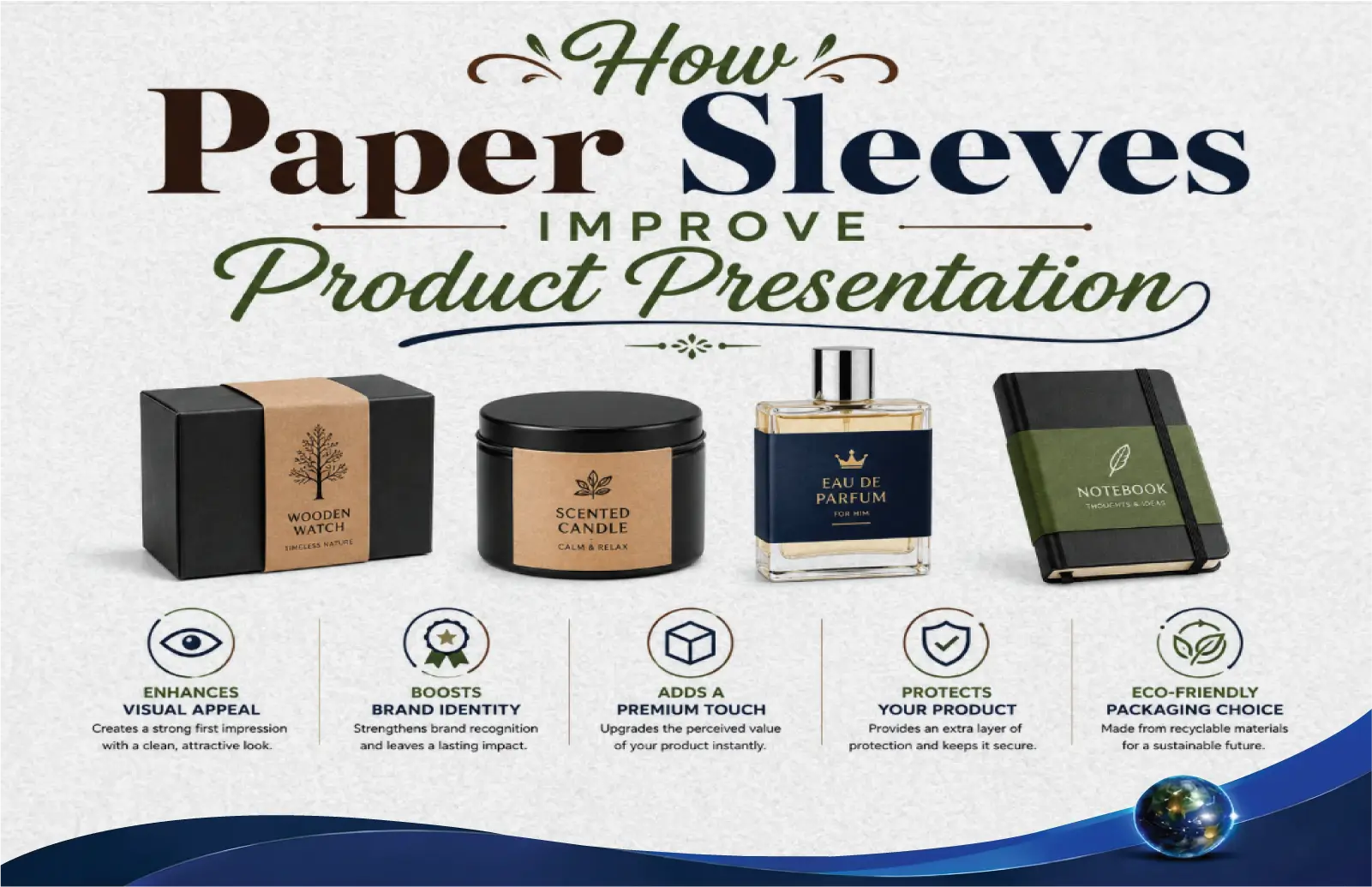
How Paper Sleeves Improve Product Presentation
A finished package often needs something more than a plain outer layer before it looks ready for a store shelf or a gift display. Paper sleeves result in an extra layer by wrapping around part or all of a box, opening up space for artwork, information, and decorative details while the original box or jar stays visible underneath. Materials such as paperboard, kraft paper, SBS paperboard, recycled paper, and cardstock are each suited to different packaging concepts. Coated paper or uncoated paper is generally chosen depending on the desired print finish, texture, and presentation of the product across the display area. Custom paper sleeves are also prepared when a more customized outer presentation is required for a particular product.
Materials Used Shaped The Presentation Of The Product
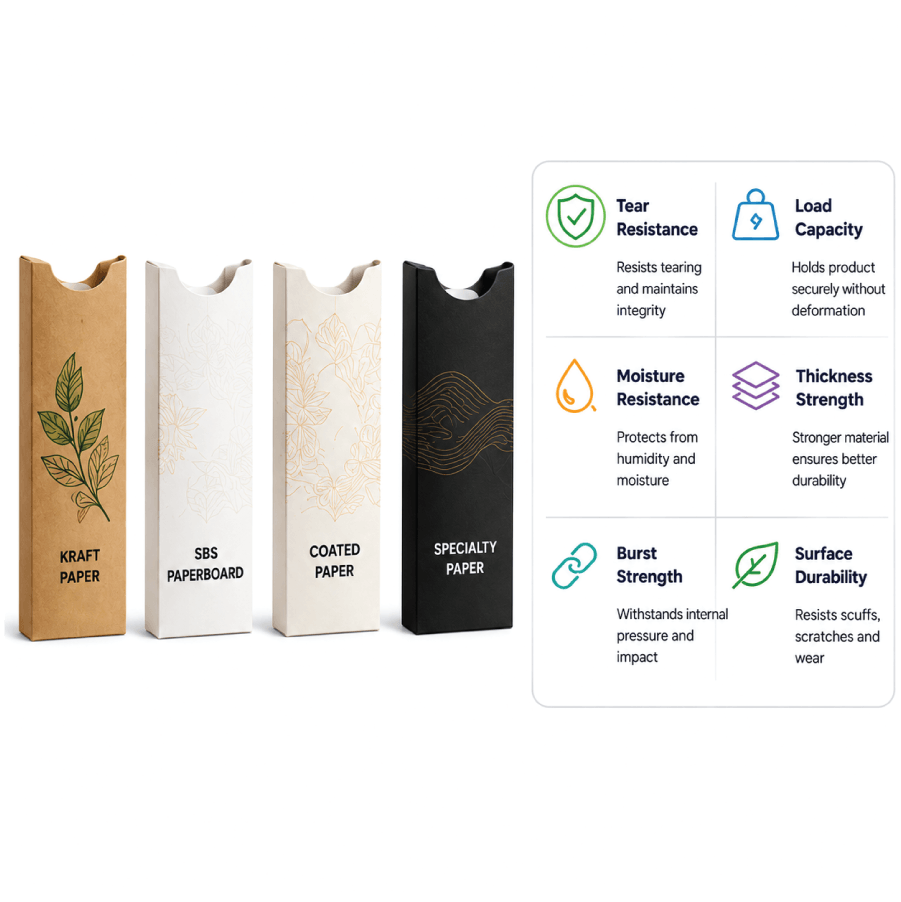
Different materials bring different qualities to a sleeve. Paperboard and SBS paperboard offer a firm structure that holds its shape well, while kraft paper is often chosen for a natural, rustic look. Recycled paper and cardstock are lighter options that still support clean printing. Corrugated paperboard is sometimes considered for projects where a sturdier paper-based structure is preferred, particularly for heavier items or bundled sets. Each material is matched to the packaging of the product being wrapped, along with the display setting where the item will eventually be presented to shoppers. Biodegradable paper is another material consideration where a paper-based packaging concept is developed around environmental preferences.
Best Materials for Custom Packaging Sleeves
Selecting the right sleeve material affects durability, printing, product presentation, and sustainability. Paperboard, kraft paper, corrugated paper, rigid chipboard, and film options suit different product requirements and presentation goals. Explore the complete guide for a detailed selection of the Best Materials For Custom Packaging Sleeves, including their benefits, finishes, and suitable applications. Material selection also depends on shipping conditions, budget, finishing, and desired protection.
Custom Details That Enhance The Presentation Of The Product
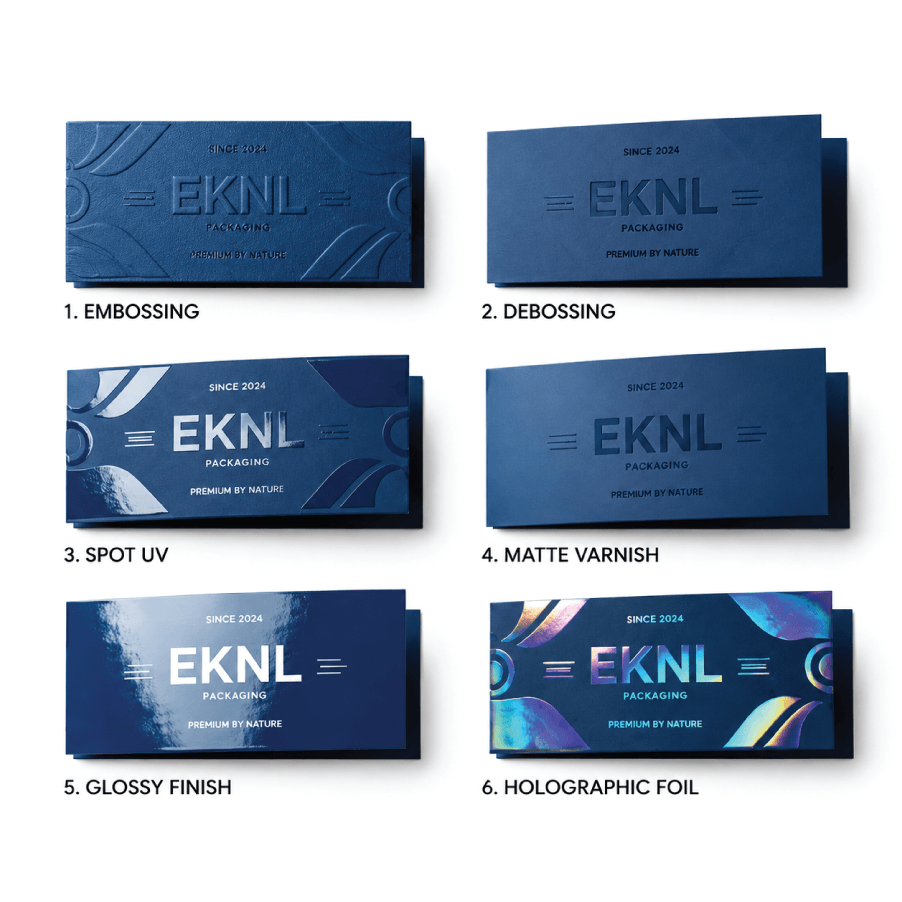
Personalized artwork, colour palettes, and decorative patterns can all be placed across the printable area of a sleeve. Information, care instructions, and promotional messaging are often included alongside the main design, so that buyers have a clearer picture before the package is even opened. Custom printing is selected for designs that need product-specific visuals, while logo printing is included where a clear identity of the brand is required. Colour customization is also arranged according to the visual direction of the package, with typography, graphics, and artwork positioned to maintain a balanced presentation.
Foil stamping, embossing, and spot varnish are sometimes added for a more premium finish, particularly on gift or seasonal packaging. Debossing may also be incorporated where a recessed visual detail is preferred. Spot UV is another option for highlighting selected areas of the printed design rather than covering the complete surface. These extra touches are usually decided during the design stage, once the reputation of the brand and the presentation of the product have both been considered together.
Versatility Across Retail And Gift Packaging
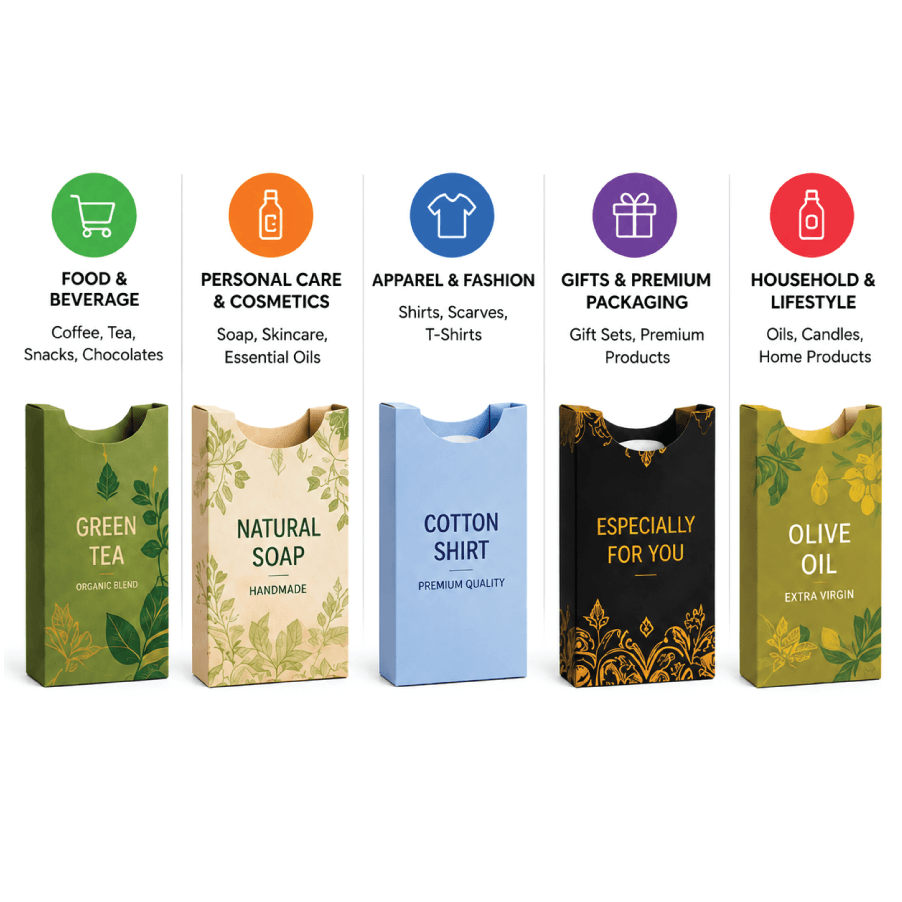
Retail shelves, subscription boxes, and gift sets all benefit from an extra presentation layer that can be swapped out for seasonal campaigns without changing the container underneath. A holiday sleeve, a limited-edition wrap, or a promotional band can be added to the same base packaging, that results in manageable production costs while still refreshing the display. Small businesses and larger brands alike find this approach useful when a quick update to the presentation of the product is needed ahead of a sale, launch, or seasonal event. Custom size and shape specifications are also considered when a sleeve needs to fit an unusual container or product format.
Structural Options Beyond Standard Paperboard
Beyond flat paperboard sleeves, some projects call for tabbed closures, perforated tear strips, or die-cut windows that reveal part of the product underneath. Die-cut sleeves are prepared when a distinctive outline, opening, or structural feature is required for the package. Corrugated paperboard is chosen for extra rigidity when heavier items are involved, while thinner cardstock seems suitable for lightweight goods such as cosmetics or small electronics. A locking tab or a glued seam can be added depending on how much handling the packaging of the product is expected to go through during shipping and on the shelf.
Environmental Considerations Behind Paper Sleeves
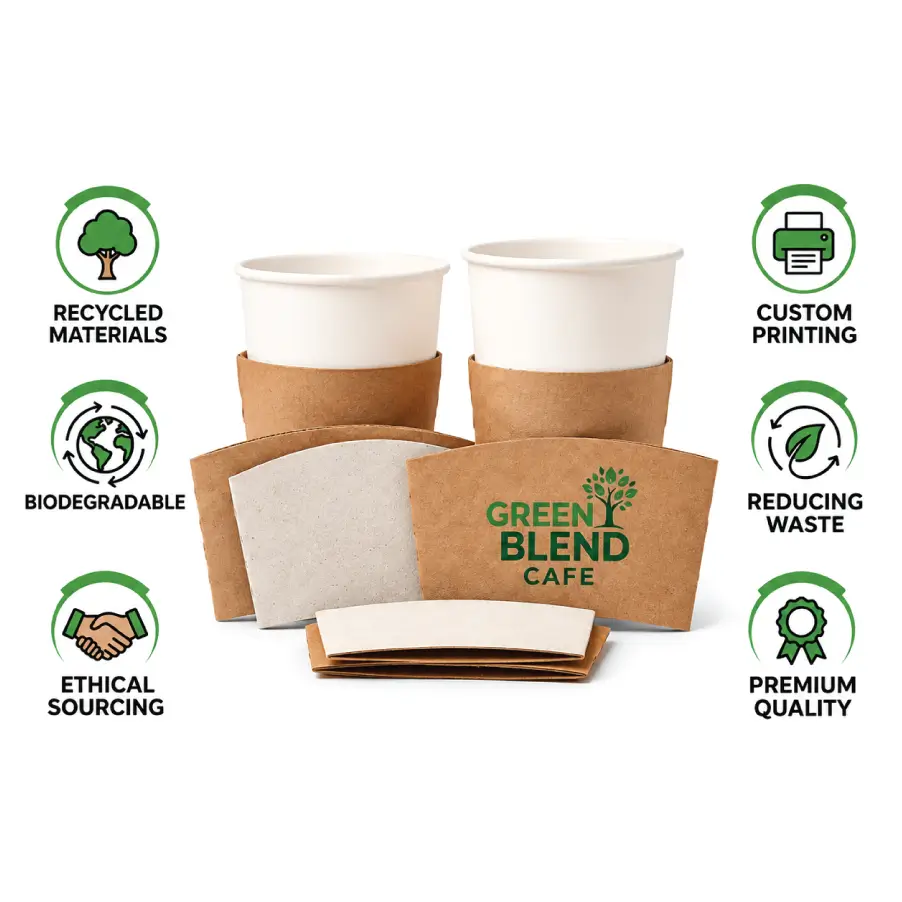
Recycled paper and biodegradable paper are worth considering when a project has environmental goals attached to it. Material composition, coating type, and intended disposal conditions all affect whether a sleeve breaks down easily or can be recycled through a standard municipal program. Uncoated paper is generally easier to recycle than heavily coated stock, so this choice is often reviewed early in the design process alongside the reputation of the brand and any sustainability commitments the business has already made public. Lightweight packaging may also be preferred where reduced material weight forms part of the overall packaging approach.
“Recycling, packaging, businesses are changing all of those things because that’s what consumers want.” — Jerry Greenfield
Regulations And Standards Relevant To Packaging In Canada
Canadian packaging is shaped by a handful of federal and provincial rules that businesses generally keep in mind during production. Some of the more relevant ones include:
- The Consumer Packaging and Labelling Act (R.S.C., 1985, c. C-38), which sets national labelling and packaging requirements
- The Competition Bureau’s guidelines on accurate product claims and packaging statements
- The Canadian Environmental Protection Act, 1999 (CEPA), which touches on packaging materials and waste
- Provincial extended producer responsibility programs, such as Ontario’s Blue Box Regulation (O. Reg. 391/21)
- CAN/CGSB standards published by the Canadian General Standards Board for packaging materials
Depending on the category, additional considerations may be relevant for food packaging, cosmetic packaging, beverage packaging, or soap packaging.
Conclusion
A well-planned paper sleeve results in extra space for design without changing the box itself. From material choice to printing details, each decision ties back to the presentation of the product and the reputation of the brand behind it. Whether the goal is a retail launch, a seasonal refresh, or a simple gift wrap, Cheap Custom Packaging Companies use paper sleeves remains one of the more flexible ways to add polish to a package that is already doing its job well. Tamper-evident features and moisture resistance may also be considered when the packaging format requires additional protection during handling, storage, or distribution.
FAQs
How do paper sleeves result in improving presentation of the product?
Paper sleeves enhance the presentation of the product through custom colours, graphics, finishes, branding details, and organized information of the product.
Are paper sleeves suitable for retail packaging?
Paper sleeves are suitable for retail packaging, with customised dimensions, printed designs, finishes, and branding details prepared for different categories of the product.
Which finishes are used to improve the presentation of the product?
Matte lamination, gloss lamination, foil stamping, embossing, debossing, and spot UV are commonly selected for enhanced presentation of the product. A matte finish results in a softer visual appearance, while a gloss finish results in a more reflective surface.
What printing options are offered for paper sleeves?
Digital printing, offset printing, and screen printing are offered for detailed graphics, colour reproduction, logo, information, and promotional artwork.
Are paper sleeves made with recyclable materials?
Yes, paper sleeves are made with recyclable paperboard and kraft paper options, supporting packaging designs where recyclable material selection is preferred.