
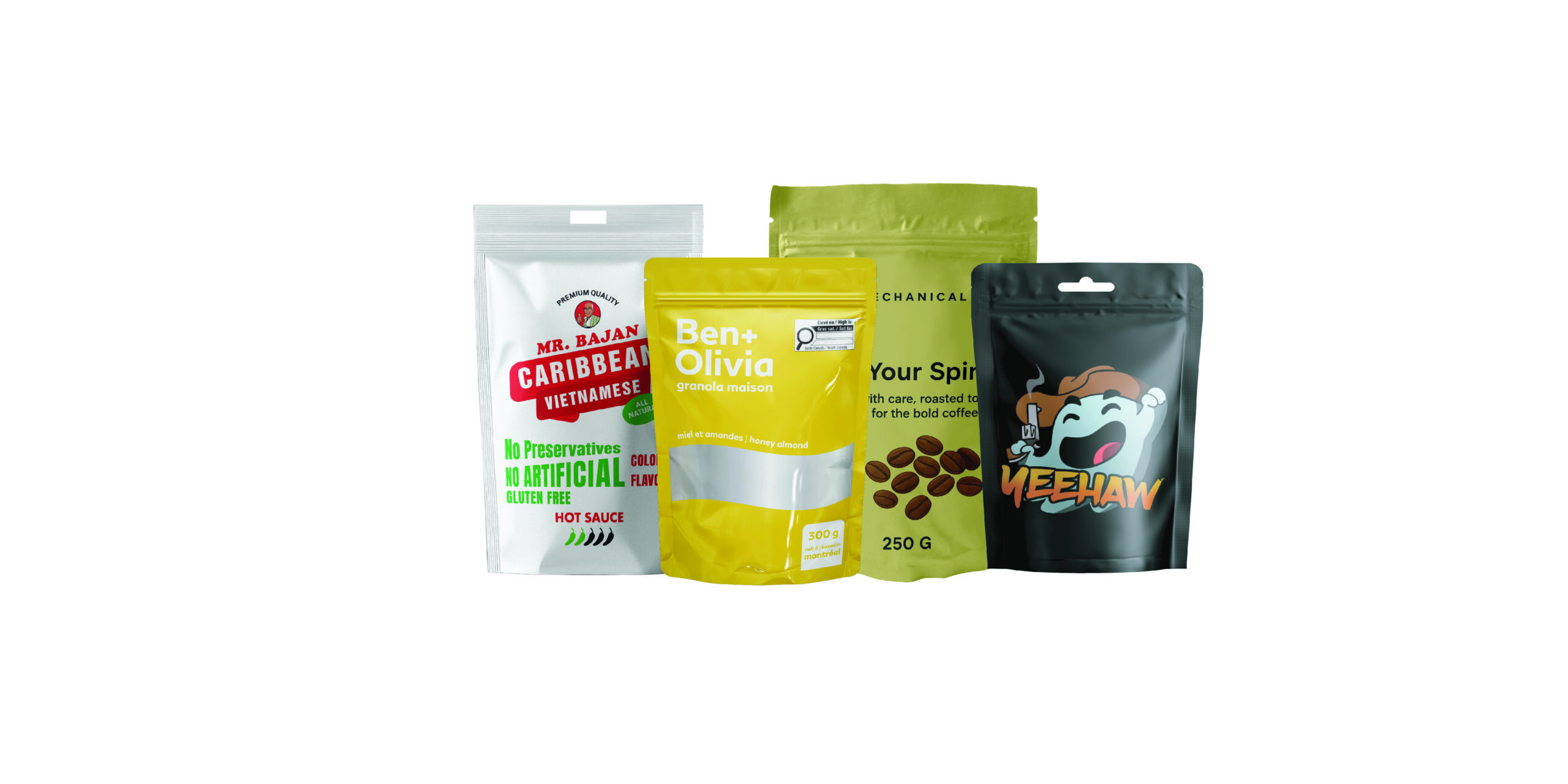
Modern packaging is no longer limited to simple containment of products. It is used to maintain quality, preserve freshness, and protect contents from external environmental exposure during storage and transportation. Barrier films are specialized materials used to block moisture, oxygen, odours, and light from entering into packaging. These films are widely applied across food, pharmaceutical, and consumer goods industries where stable conditions are maintained through controlled packaging environments.

Effective Protection Against Moisture and Oxygen
Moisture and oxygen are two major factors that cause product degradation over time. When these factors enter packaging, they can change taste, texture, aroma, and stability. Barrier films are used to lessen gas and vapor transmission through packaging layers. Multi-material film structures are designed to maintain internal conditions by limiting external exposure. This is particularly important for dry foods, powders, coffee, and nutritional products that require stable storage environments.
Important Role in Preserving the Freshness Of Items
The freshness of the product is a key expectation in modern supply chains, especially for consumable goods. Barrier films are used to maintain internal packaging conditions by controlling exposure to air, humidity, and contaminants. This controlled environment secures products and retains their original odour for extended periods. During long-distance transport and storage, the environmental conditions are managed through barrier structures that preserve consistency of the product from production to end consumption.
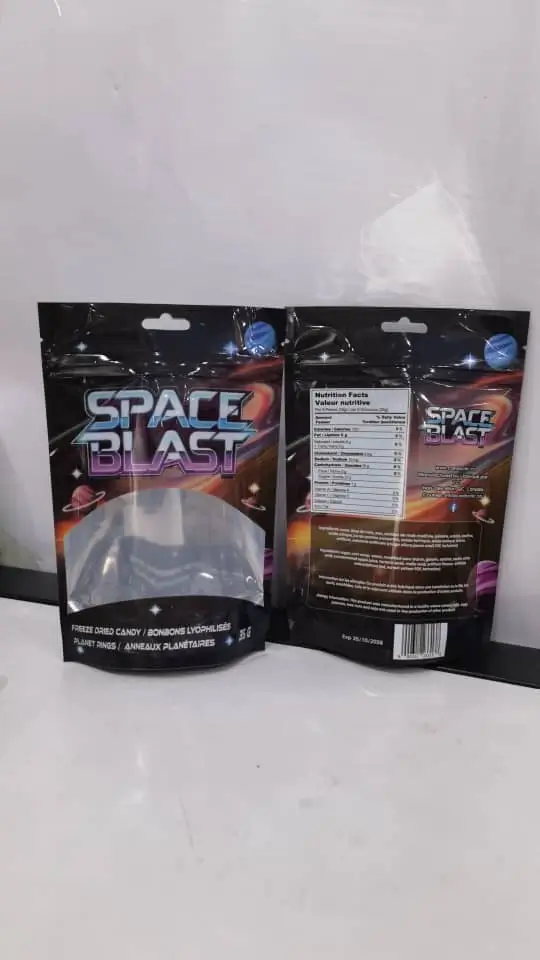
Effective Ways Barrier Films Prevent Odours
Odour control is an important feature in packaging that handles aromatic or sensitive products. Barrier films are used to contain internal odours while reducing external odour transfer into the package. This is achieved through layered structures designed to limit air exposure. Products such as spices, coffee, pet food, and personal care items rely on these films to maintain their intended aroma profile and prevent unwanted odour contamination during storage and distribution.
Advanced Materials Used in Barrier Films
Barrier films are manufactured using a combination of advanced materials that each contribute specific performance characteristics. Polyethylene is commonly used for its sealing and flexibility properties, while polyethylene terephthalate provides strength and clarity. Aluminum foil is used for its high resistance to oxygen, moisture, and light transmission. Metallized layers are also incorporated to deliver strong barrier performance while maintaining lightweight structures. These materials are combined to match specific packaging requirements.
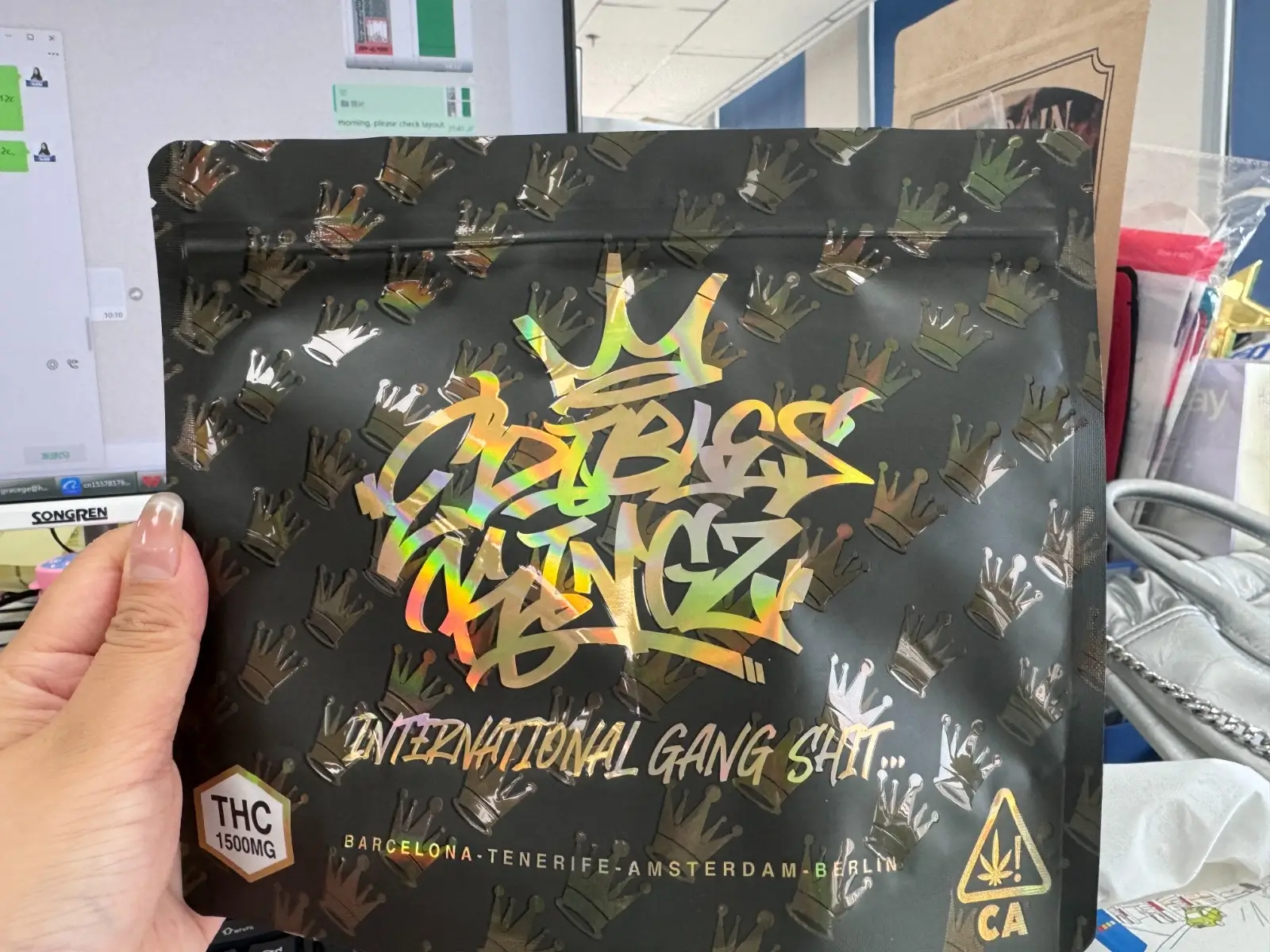
“Packaging can be theater, it can create a story.” — Steve Jobs
Best Materials For Smell Proof Packaging
Smell control packaging is built using layered structures that are used to restrict odour transfer and maintain internal product aroma stability. Best Materials for Smell Proof Packaging usually include aluminum foil, metallized films, polyethylene, and PET layers. These materials are used to form strong barriers that reduce odour leakage and external contamination. Aluminum is used to give high resistance, while plastic layers are used to create sealing strength and flexibility in modern packaging. There are many other materials used for smell packaging. Learn more
Remarkable Benefits of Multi-Layer Structures
Multilayer packaging is widely used in modern packaging because they are built by combining different materials into one design. This design is made by different layers, and each layer is used to perform a dedicated role while working together as a single protective packaging. It is commonly used in industries where stability of the product and long-distance distribution are important.
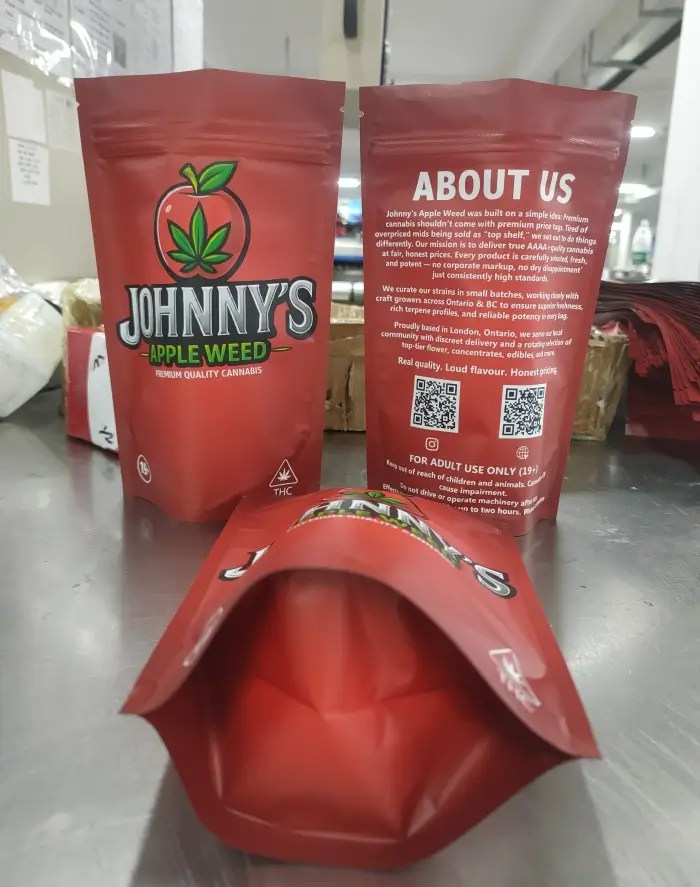
Key Performance of Multilayer Packaging
- Different materials are combined into one packaging structure
- Each layer is designed to perform a specific protective position
- Laminated films are used to bond layers into a stable design
- Structure is designed to maintain strength during handling and transport
- Sealing performance is integrated to maintain internal safety
- Barrier performance is controlled against moisture, oxygen, and contamination
These layered options are considered highly efficient in packaging design because they are used for precise control over performance factors. By combining multiple material properties into a single option, packaging remains stable and reliable throughout storage, shipping, and retail environments.
Strategic Applications Across Packaging Industries
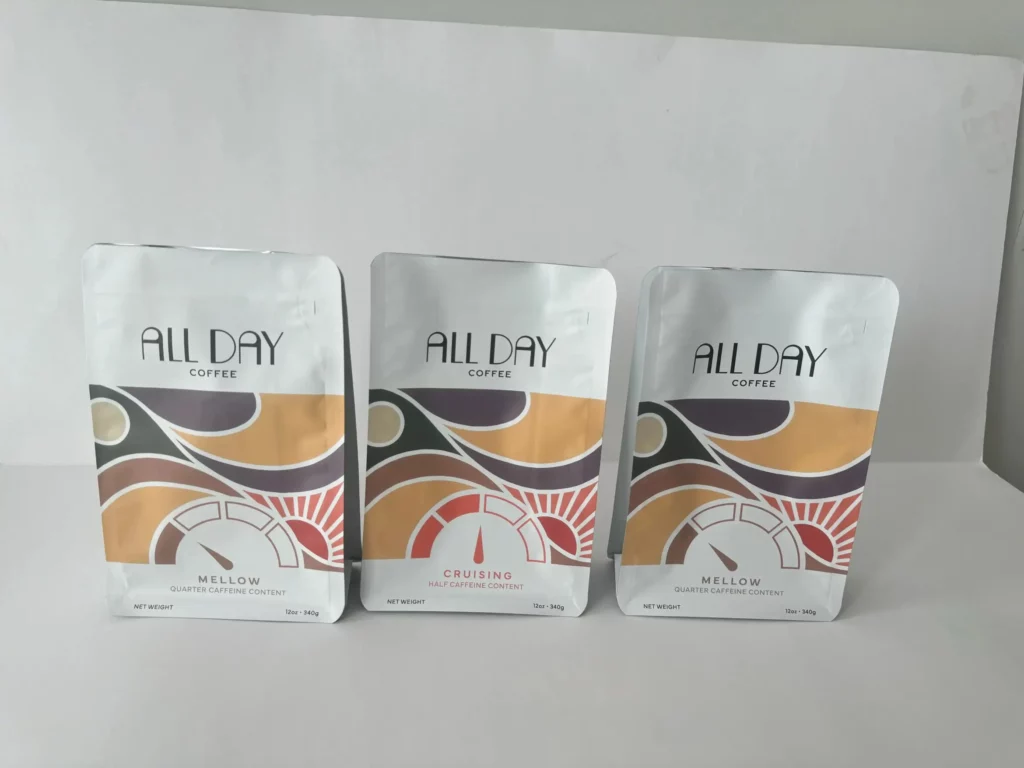
Barrier films are widely applied across multiple industries due to their protective characteristics and adaptability. The food industry uses them for snacks, frozen meals, coffee, and spices to maintain freshness and safety. Pharmaceutical packaging relies on barrier structures to maintain product stability. Personal care, household, and industrial products are also stored in bags made of these films to preserve internal conditions. Each application benefits from controlled packaging environments designed to maintain product consistency.
Smart Solutions for Sustainable Packaging Goals
Sustainability is becoming an important focus in modern packaging across different industries. Barrier film technologies are evolving toward lightweight structures that reduce material usage while maintaining performance. Recyclable and mono-material packaging designs are being designed to align with environmental objectives. These advancements are used by manufacturers to balance protection of the product with responsible material usage. Innovation in film design is shifting toward packaging designs that maintain efficiency while reducing environmental impact.
Important Factors When Selecting Barrier Films
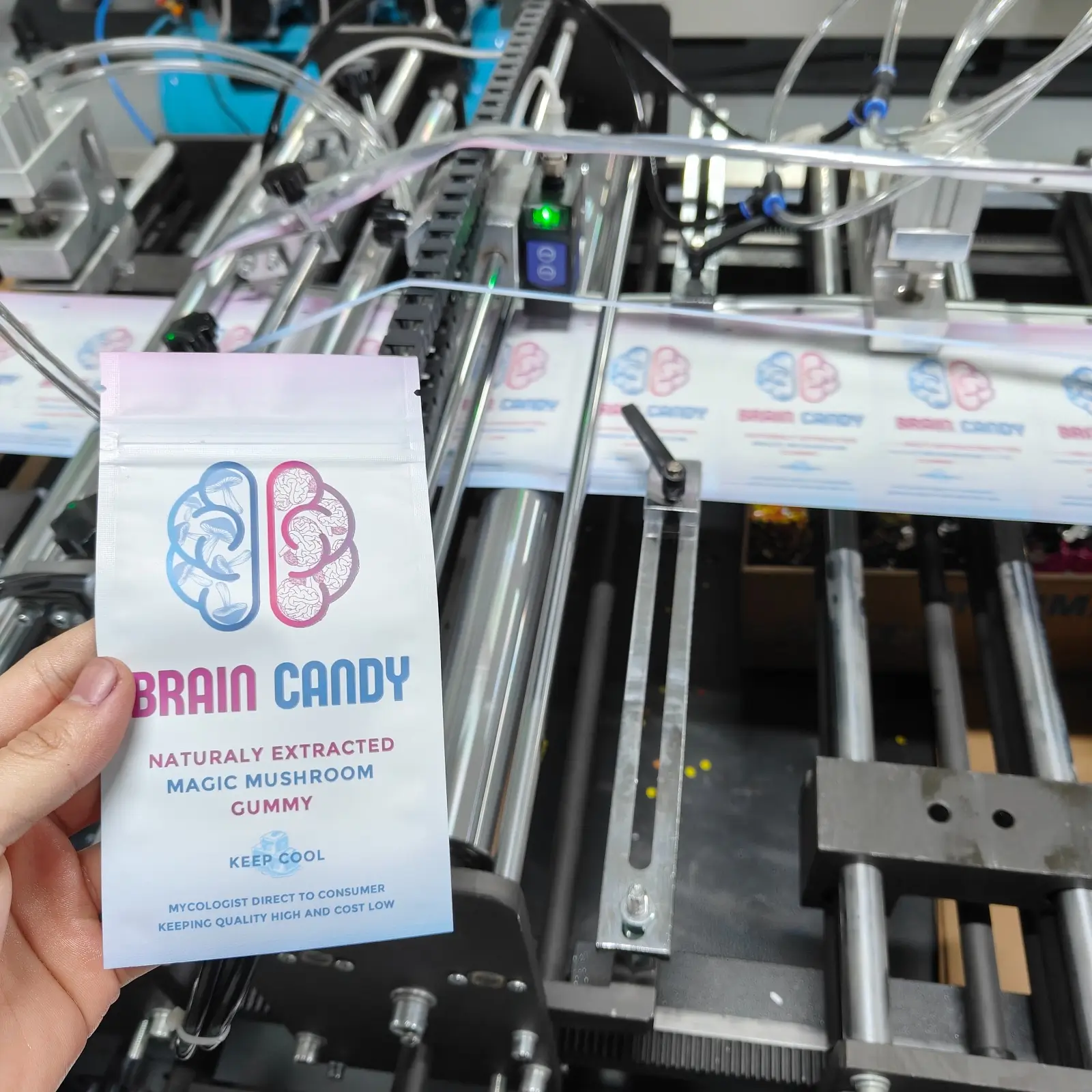
Selection of barrier films is based on the type of the product, sensitivity level, storage environment, and transportation conditions. Material properties such as sealing strength, transparency, flexibility, and puncture resistance are evaluated during the selection process. Different products require different barrier levels depending on their exposure risks. Packaging designers analyze these conditions to determine the most suitable film structure that maintains stability throughout its lifetime from production to final use.
Conclusion
Barrier films have become a core component of modern packaging designs due to their ability to control moisture, oxygen, light, and odour exposure. They are widely used to maintain quality, stability, and shelf life of the product across multiple industries. Through continuous material innovation and structural advancements, barrier films are positioned to remain important in packaging design, where controlled environments are required to preserve the integrity of the products. Universal Packaging Canada plays a key role in delivering modern packaging solutions that align with these performance standards from production to end use.