
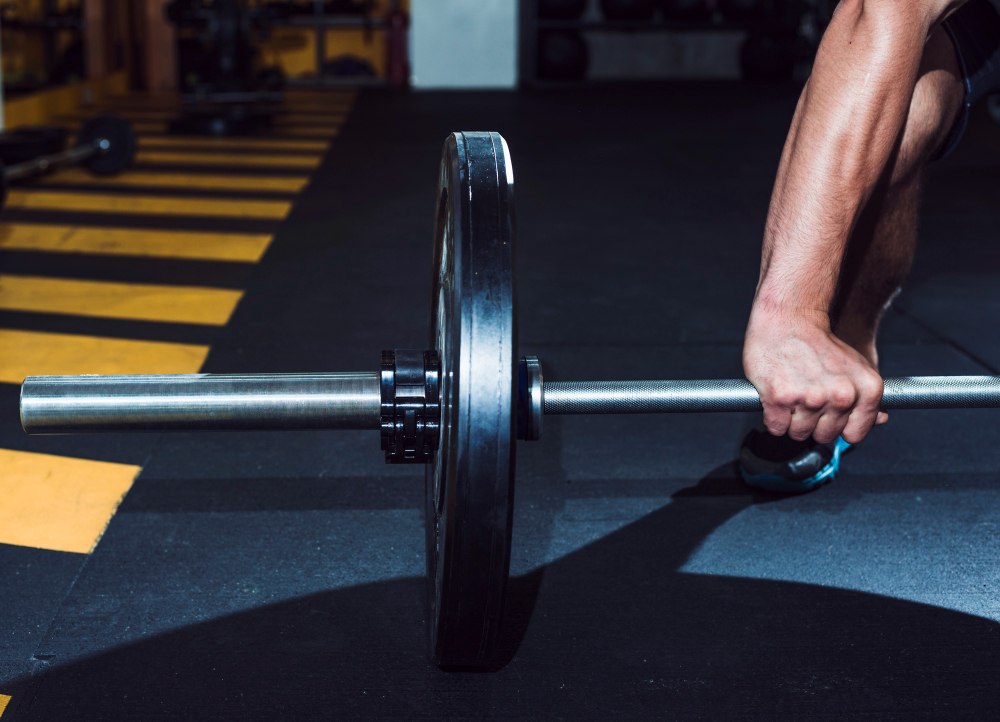
Have you ever opened a stubborn jar and thought, “Why is this thing fighting back?” Grip strength shows up in moments like that all the time, even when we are not thinking about fitness. For people considering a Personal Training course Cairns, understanding simple measures like grip strength can add another useful piece to the bigger fitness picture. It is not just about having strong hands. The way we grip, hold, carry and control things can tell us something about our overall physical ability.
What Exactly Is Grip Strength?
Grip strength is simply the force we can create when we squeeze or hold something with our hands. Think about carrying grocery bags, holding a dumbbell, opening a heavy door or hanging from a bar. All of these everyday tasks ask our hands and forearms to do some work.
But there is more going on than just the fingers.
A strong grip usually works together with the wrists, forearms, arms and shoulders. We also need a certain level of control and stability to keep hold of an object. So, when we talk about grip strength, we are really talking about part of a much bigger movement system.
Why Does Grip Strength Matter?
Here is the interesting part… grip strength can reflect how well we handle everyday physical tasks.
Imagine carrying a suitcase across an airport. Your legs might be doing most of the walking, but your hands need to keep that suitcase secure. Or think about lifting a box from the floor. Your whole body is involved, and your hands need to maintain a firm hold.
When grip strength is poor, simple tasks can feel surprisingly difficult. We may drop things more often, struggle with heavier objects or avoid activities that require holding and carrying.
That can affect confidence too. Nobody wants to think twice before picking up a shopping bag.
Grip Strength and Overall Fitness
Grip strength should not be treated as a magic test that tells us everything about someone’s health. It is only one part of the picture.
Still, it can be useful when looking at general physical ability. Someone who regularly trains, moves well and performs resistance exercises may naturally develop better grip strength along the way.
Exercises such as rows, deadlifts, farmer carries, pull-ups and loaded carries can challenge the hands while working several other muscles at the same time.
And honestly, we do not always need a complicated routine. Carrying a pair of weights and walking with good posture can be a simple but useful challenge.
What Can Weak Grip Strength Mean?
A weaker grip does not automatically mean that someone is unhealthy. There can be plenty of reasons for it.
Maybe we have not trained our hands much. Perhaps our work involves very little lifting. An old hand or wrist problem might also affect our ability to grip comfortably.
This is where context matters.
Rather than looking at one measurement and jumping to conclusions, a good fitness professional considers the person’s age, training background, daily activities, movement skills and goals. One number never tells the whole story.
Can We Improve Grip Strength?
Absolutely. And we can make it part of a normal workout instead of treating it like a separate chore.
Try carrying weights for a short distance, holding a dumbbell for time, using resistance equipment or simply adding exercises where we need to hold a load securely. The key is to increase the challenge gradually.
We should also pay attention to technique. Gripping harder than necessary during every exercise can make training uncomfortable and may leave the hands and forearms feeling worn out.
A little goes a long way.
Why This Matters for Personal Trainers
For future fitness professionals, grip strength can be another useful observation when working with clients. It can help trainers understand how someone manages resistance, carrying tasks and certain exercises.
Learning how to assess movement and choose suitable exercises becomes an important part of professional training. A Certificate IV in Fitness Cairns can help aspiring trainers build the knowledge and practical skills needed to work with different clients and training goals.
The bigger lesson is simple… fitness is not always about how much we can lift. Sometimes, the small things, like how confidently we hold a weight, carry a bag or control an object, tell us plenty.
FAQs
1. Is grip strength the same as arm strength?
Not exactly. Grip strength mainly relates to the muscles of the hands and forearms, although the arms and shoulders also work during many gripping activities.
2. Can grip strength improve with regular workouts?
Yes. Exercises involving carries, pulls, holds and resistance training can help develop stronger hands and forearms when performed consistently.
3. Does weak grip strength always mean poor health?
No. Grip strength can be affected by training habits, age, occupation, injuries and many other factors. It should never be viewed on its own.
4. What exercises are good for improving grip strength?
Farmer carries, deadlifts, rows, pull-ups and timed weight holds can all challenge grip strength. Start with a manageable load and focus on good control.
5. Why should personal trainers understand grip strength?
It can give trainers another useful way to observe a client’s ability to hold and control resistance. It can also help when choosing exercises that match a client’s current abilities and goals.