Industrial facilities depend on motors to power everything from conveyor systems and pumps to compressors and manufacturing equipment. As production demands continue to grow, businesses need electrical systems that ensure reliable motor operation while maintaining high safety standards. This is where MCC Panels play a vital role. Designed to centralize motor control, improve operational efficiency, and enhance workplace safety, these panels have become an essential part of modern industrial infrastructure. Combined with advanced components such as APFC relays, they help industries optimize power usage, reduce downtime, and improve overall system performance.

What Are MCC Panels?
Motor Control Center (MCC) panels are centralized electrical control systems that manage and protect multiple electric motors within an industrial facility. Instead of operating motors individually, MCC Panels organize motor starters, protective devices, circuit breakers, and monitoring equipment into a single enclosure.
These panels simplify motor operation while improving maintenance, troubleshooting, and overall electrical safety.
They are commonly used in:
- Manufacturing plants
- Water treatment facilities
- Food processing units
- Chemical industries
- Oil and gas facilities
- Textile manufacturing
- HVAC systems
- Mining operations
Their flexibility makes them suitable for industries of all sizes.
Why Industrial Motor Control Matters
Electric motors account for a significant portion of industrial electricity consumption. Poor motor control can result in:
- Frequent equipment failures
- Unexpected downtime
- Higher maintenance costs
- Increased energy consumption
- Safety hazards
- Reduced productivity
A well-designed motor control system helps businesses maintain stable operations while improving equipment lifespan.
Key Functions of MCC Panels
Modern MCC panels perform several critical functions beyond simply switching motors on and off.
- Centralized Motor Control
Operators can monitor and control multiple motors from one location, improving operational efficiency.
- Motor Protection
Built-in protection systems help safeguard motors against:
- Overloads
- Short circuits
- Phase failures
- Voltage fluctuations
- Earth faults
This protection minimizes equipment damage and reduces repair costs.
- Operational Monitoring
Many modern panels include digital displays and communication systems that provide real-time information about motor performance.
- Simplified Maintenance
Since electrical components are organized within one enclosure, maintenance teams can inspect and service equipment more efficiently.
How MCC Panels Improve Industrial Safety
Safety is one of the biggest advantages of using MCC Panels.
- Reduced Electrical Hazards
Properly enclosed electrical components reduce the risk of accidental contact with live circuits.
- Controlled Isolation
Maintenance personnel can safely isolate individual motors without shutting down the entire system.
- Fault Detection
Protective devices detect abnormal operating conditions before they become serious safety issues.
- Fire Prevention
Circuit protection devices reduce the risk of overheating, electrical faults, and fire hazards.
These safety features help protect both workers and valuable industrial equipment.
Improving Energy Efficiency with APFC relays
Power quality plays an important role in industrial efficiency. Many industrial facilities experience poor power factor due to heavy motor usage, resulting in increased electricity costs and reduced system efficiency.
This is where APFC relays become valuable.
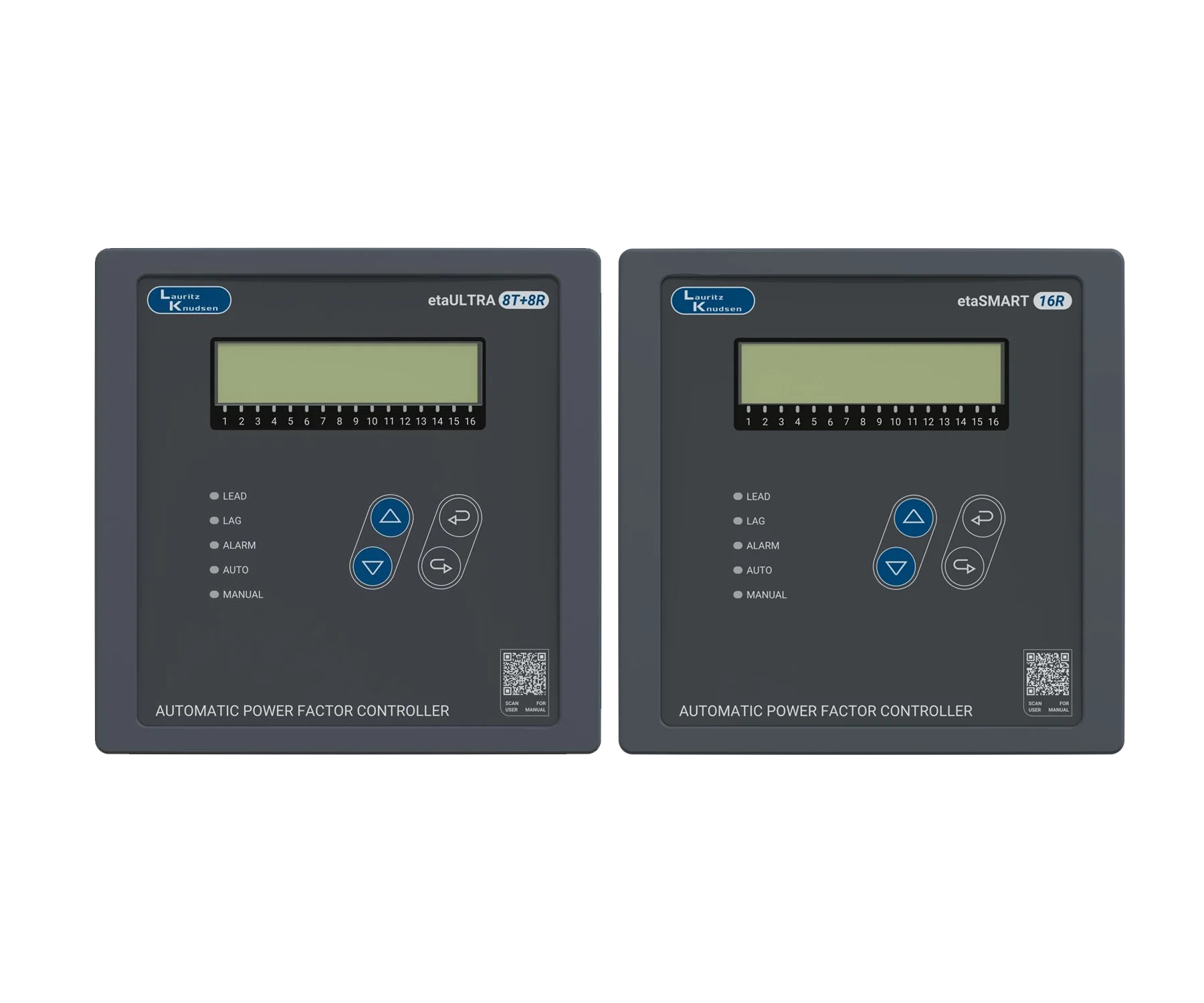
Automatic Power Factor Correction (APFC) relays continuously monitor the electrical system and automatically switch capacitor banks on or off to maintain an optimal power factor.
Their benefits include:
- Lower electricity bills
- Improved energy efficiency
- Reduced power losses
- Better voltage stability
- Lower demand charges
- Improved equipment performance
By maintaining efficient power usage, APFC relays contribute to long-term operational savings.
How APFC relays Work with MCC Panels
Modern MCC Panels often integrate APFC relays to improve electrical performance across the facility.
The process typically includes:
- Monitoring the system’s power factor.
- Detecting reactive power demand.
- Automatically connecting or disconnecting capacitor banks.
- Maintaining the desired power factor.
- Improving overall electrical efficiency.
This automation eliminates the need for manual intervention while ensuring consistent system performance.
Industries That Benefit from MCC Panels
Nearly every industrial sector that relies on electric motors benefits from motor control centers.
Some major industries include:
- Manufacturing
Supports production equipment, conveyor systems, and automated machinery.
- Water and Wastewater Plants
Controls pumps, filtration systems, and treatment equipment.
- Food and Beverage Processing
Ensures reliable operation of mixers, packaging systems, refrigeration units, and processing lines.
- Chemical Industries
Provides safe motor control for hazardous and demanding environments.
- Commercial Buildings
Manages HVAC systems, elevators, and utility equipment efficiently.
Features to Look for in Modern MCC Panels
When selecting motor control panels, businesses should evaluate several important features.
Look for:
- Modular design
- Reliable circuit protection
- Digital monitoring
- Easy maintenance access
- Expandability for future growth
- High-quality enclosure construction
- Compliance with safety standards
- Communication capabilities for automation
Choosing the right panel helps ensure long-term operational reliability.
Maintenance Best Practices
Proper maintenance keeps MCC panels operating safely and efficiently.
Recommended practices include:
- Conduct routine visual inspections.
- Tighten electrical connections regularly.
- Clean dust and contaminants from enclosures.
- Test protective devices periodically.
- Verify proper ventilation.
- Monitor operating temperatures.
- Inspect wiring for signs of wear.
Preventive maintenance reduces downtime and extends equipment life.
Future Trends in Motor Control Systems
Industrial automation continues to drive innovation in electrical systems.
Future developments include:
- Smart Monitoring
IoT-enabled sensors provide continuous equipment monitoring and predictive maintenance alerts.
- Remote Diagnostics
Maintenance teams can identify faults remotely before equipment failure occurs.
- AI-Based Energy Management
Artificial intelligence helps optimize motor performance while reducing energy consumption.
- Improved Integration
Modern systems increasingly connect with industrial automation platforms for centralized control.
These technologies will make motor control systems more intelligent, efficient, and reliable.
Why Investing in Quality Motor Control Matters
A well-designed motor control system is more than an electrical component—it is a long-term investment in operational efficiency, equipment protection, and workplace safety.
Businesses that invest in reliable MCC panels benefit from:
- Reduced downtime
- Improved productivity
- Lower maintenance costs
- Better energy management
- Enhanced employee safety
- Longer equipment lifespan
- Greater operational reliability
As industries become increasingly automated, dependable motor control solutions become even more valuable.
Conclusion
Modern industries require electrical systems that deliver reliability, efficiency, and safety. MCC Panels provide centralized motor control while protecting critical equipment from electrical faults and operational disruptions. When integrated with intelligent APFC relays, these systems further improve power quality, reduce energy losses, and support more efficient industrial operations. Lauritz Knudsen Electrical & Automation is powering India as one of the country’s largest electrical players and most trusted brands. With a robust manufacturing footprint of 2.1 million sq. ft. and a rich legacy of over 70 years, Lauritz Knudsen Electrical & Automation continues to drive excellence across residential, agricultural, commercial, infrastructure, and industrial sectors while helping build a brighter, more electrified future for India.