
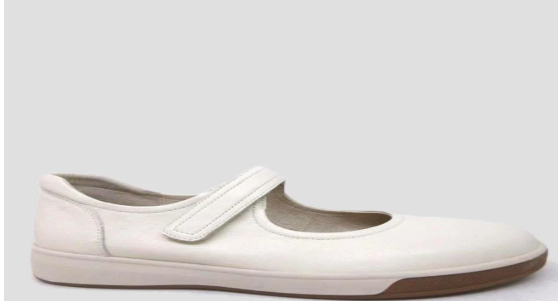
Choosing comfortable work shoes starts with understanding how each feature supports your feet throughout the working day. The right pair combines a secure fit, supportive design, cushioning, breathability, grip, flexibility, and durable materials. Each feature serves a practical purpose during standing, walking, and regular workplace movement. Your working environment and daily routine can also guide your choice. Knowing what to examine makes comparisons easier. It helps you choose footwear suited to everyday professional use and daily routines.
Proper Fit and Enough Toe Room
A suitable fit lets your feet sit naturally throughout the day. Check that the heel feels secure and the width suits your foot. Your toes should have enough room to move comfortably during walking and standing. Try work shoes with your usual socks for a realistic sense of everyday fit.
Adequate Arch and Heel Support
Support helps distribute pressure and promotes stability during daily movement. Look for a design that supports your natural arch shape. A well-fitted heel area can help keep the foot secure while walking. Consider how the support feels during your usual workplace activities. Consistent support can benefit roles involving extended standing.
Suitable Underfoot Cushioning
Cushioning can help absorb impact during walking. Check the midsole and insole for cushioning that feels comfortable and responsive. The ideal level depends on your preferences and daily activities. Balanced cushioning can support comfort across common workplace surfaces. Test the shoe while standing and taking several natural steps.
Breathable Upper Materials
Breathable uppers can support airflow around the feet during extended wear. Mesh panels can help heat and moisture move away more easily. Workplace requirements should guide your upper material choice. When comparing footwear for women consider breathability alongside fit, support, and the working environment. A suitable lining can contribute to interior comfort.
Flexible Sole Construction
Sole flexibility lets the shoe move with your foot during regular walking. Check whether the forefoot bends comfortably where your foot naturally flexes. The sole should provide enough stability for workplace movements. A balanced design can support smooth, stable steps. Consider how much walking, turning, and standing your working day involves.
Reliable Outsole Grip
Outsole design influences traction and stability. Consider your regular workplace surfaces before choosing a sole.
Useful outsole features include:
- Tread Pattern: Defined tread can provide useful contact and traction across suitable workplace surfaces.
- Outsole Material: Quality outsole materials can provide dependable grip while supporting regular daily wear.
- Surface Suitability: Choose traction characteristics that match the flooring and conditions found in your workplace.
Matching the outsole to your workplace can support steady movement.
Lightweight Construction
Shoe weight can influence comfort after several hours of movement. A lighter construction may suit jobs involving walking. When comparing options, consider weight alongside cushioning, support, and durability. Pick up each shoe and walk in the pair when possible. This simple check can help you judge whether the overall construction suits your daily routine.
Durable Materials and Build Quality
Work shoes often see frequent use, so material and construction quality are key selection factors. Several visible details can help you assess build quality.
Features worth checking are:
- Upper Material: Suitable materials can retain their shape and support regular workplace wear.
- Stitching Quality: Neat, secure stitching can indicate careful construction around frequently flexed areas.
- Sole Attachment: Firm attachment between the upper and sole contributes to overall shoe durability.
These details can help you choose shoes built for consistent use throughout your workday.
Secure and Practical Fastening
Fastening affects how securely a shoe fits throughout daily activities. Different designs can suit different routines and preferences.
Common fastening options include:
- Laces: Adjustable laces allow you to fine-tune the fit across different areas of the foot.
- Straps: Adjustable straps provide straightforward fit control and convenient everyday fastening.
- Slip-On Designs: Well-fitted slip-on styles can provide convenient wear for suitable workplace settings.
Choose a fastening system that feels secure and works efficiently with your daily routine and workplace needs.
Conclusion
Selecting comfortable work shoes involves assessing several practical features together for a balanced choice. Start with fit, then consider support, cushioning, breathability, flexibility, grip, weight, durability, and fastening. Each feature affects how shoes feel during your typical workday. Your workplace surfaces, movement levels, and personal fit preferences can guide the final choice. Carefully comparing these details can help you find work shoes that fit your routine. They can also support dependable everyday comfort throughout regular workdays.