
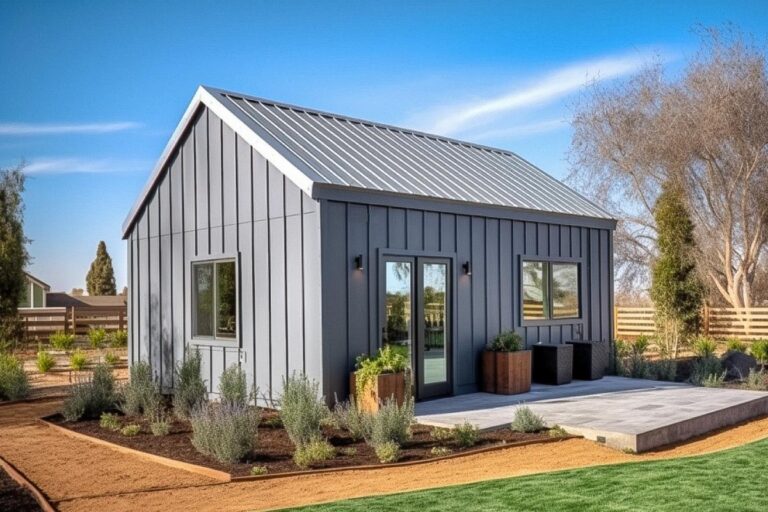
Getting a tiny home delivered sounds like the hard part is over. It really isn’t. A Tiny home kit can save you a lot of time compared with starting a house from scratch, but once those materials land on your property, there is still a job to finish. The ground needs to be ready. The structure has to go together, utilities need connecting, and then there’s all the inside work people tend to forget about. So if you’re thinking, “It’ll arrive Friday and I’ll move in next week,” well… maybe don’t count on that.
Get the Site Ready Before Delivery
The smartest thing you can do is handle as much as possible before the kit shows up. The building site may need clearing, grading, drainage work or a foundation or suitable base. You also need to think about how the delivery vehicle is getting in and back out again. It sounds basic, but a narrow driveway, muddy ground or low-hanging branches can cause a stupidly expensive problem. Utilities matter too. Work out where the electricity, water and wastewater connections are going before you’re standing there with a pile of building materials. Permits and local approvals should also be checked early. Those can take longer than the actual assembly.
Delivery Day Doesn’t Mean Move-In Day
When the truck finally arrives, it feels like progress because, well, it is. But delivery is really just the handoff. The materials should be checked to make sure nothing is missing or damaged. Some parts may need to be protected from weather until they’re used. You also need enough space around the site for unloading and construction. If something arrives damaged, deal with it straight away. Waiting three days to mention it isn’t going to make the replacement part appear faster. A decent delivery plan saves headaches later.
The Main Structure Goes Up First
This is usually the part people imagine when they hear “kit home.” Walls, roof sections and the main structural pieces start coming together. With a straightforward design and a crew that knows what they’re doing, this can happen surprisingly fast, sometimes within a few days or a couple of weeks. A DIY build is another story. If you’re working evenings and weekends, don’t compare your schedule with a professional crew working full days. That’s how people end up frustrated before they’ve even got the roof on. More complicated designs can also take longer. Bigger doesn’t always mean better, but it usually means more work.
Make the Building Weather-Tight
Once the basic structure is standing, getting it sealed against the weather becomes a priority. Roofing, windows, exterior doors, siding or other outside finishes all start to matter here. You don’t want expensive interior materials sitting in a building that isn’t properly protected from rain. Weather can throw a wrench into this stage too. A week of bad conditions can turn a quick job into a waiting game. There may also be material delays. It’s construction. Things happen. A realistic timeline leaves room for that instead of pretending every day will run perfectly.
Then the Inside Starts Taking Shape
After the shell is secure, things get busier inside. Plumbing and electrical work usually come before a lot of the final wall and floor finishes. Insulation goes in, followed by drywall or other wall materials, flooring, cabinets, lighting, bathroom fixtures and whatever heating or cooling system the home uses. This can easily take a few weeks. And this is where a tiny house can fool people. There may be less square footage, but there are still plenty of individual jobs. Installing a small kitchen isn’t automatically quick just because the kitchen is small. Somebody still has to measure, cut, connect and finish everything.
Don’t Forget the Utility Connections
A house isn’t much use without working utilities. Electricity needs to be connected. Water has to come in, and wastewater needs somewhere to go. Depending on the property, that could mean municipal services, a septic system, a well or another setup. Some tiny homes use alternative systems, but those don’t mean zero work. Far from it. They still need proper installation and, in some places, approval. Get these plans moving early. It’s frustrating to have a nearly finished home sitting there because the final utility connection hasn’t happened yet.
Inspections Can Add Extra Days
Local inspections are another part of the schedule that shouldn’t be ignored. The exact requirements depend on where the home is located and what type of construction you’re doing. Certain work may need inspection before it can be covered up, and there may be a final inspection before occupancy. If an inspector finds something that needs fixing, you’re back on site making changes. Sometimes it’s minor. Sometimes it isn’t. Either way, don’t schedule your moving truck based on the assumption that inspection will go perfectly the first time. Leave some breathing room.
Good Tiny House Builders Know Where Time Gets Lost
Hiring experienced tiny house builders can take a lot of guesswork out of the process. They have usually seen the common problems before, whether that’s a difficult site, missing materials, awkward utility connections or trades getting in each other’s way. That doesn’t mean a builder can promise an exact move-in date. No honest builder should. What they can do is keep the work organized and spot problems earlier. If you’re getting quotes, ask exactly what the kit includes and what it doesn’t. One company’s “complete kit” might include far more than another company’s version of the same phrase. Read the details. Don’t just look at the headline price.
So, How Long Until You Can Actually Move In?
For a fairly simple tiny home, a prepared site and an experienced crew, around four to eight weeks after delivery can be a reasonable target. That’s not a guarantee. If you’re doing most of the work yourself, expect longer. A difficult site, bad weather, permit delays, utility work or changes halfway through the project can push the timeline out quite a bit. Sometimes a project takes a few months. That’s not necessarily a disaster. It just means real construction rarely follows the neat little timeline you had in your head.
Conclusion: Give Yourself Some Extra Time
A tiny home kit can make building a smaller home much more manageable, but it doesn’t turn construction into an overnight job. There is still groundwork, assembly, roofing, plumbing, electrical work, interior finishing and inspections to get through. The best thing you can do is prepare early and stop treating the delivery date like the move-in date. They are two very different things. Plan for delays, keep a little money and time in reserve, and you’ll have a much easier time when something inevitably doesn’t go according to plan. That’s just how building works sometimes.