
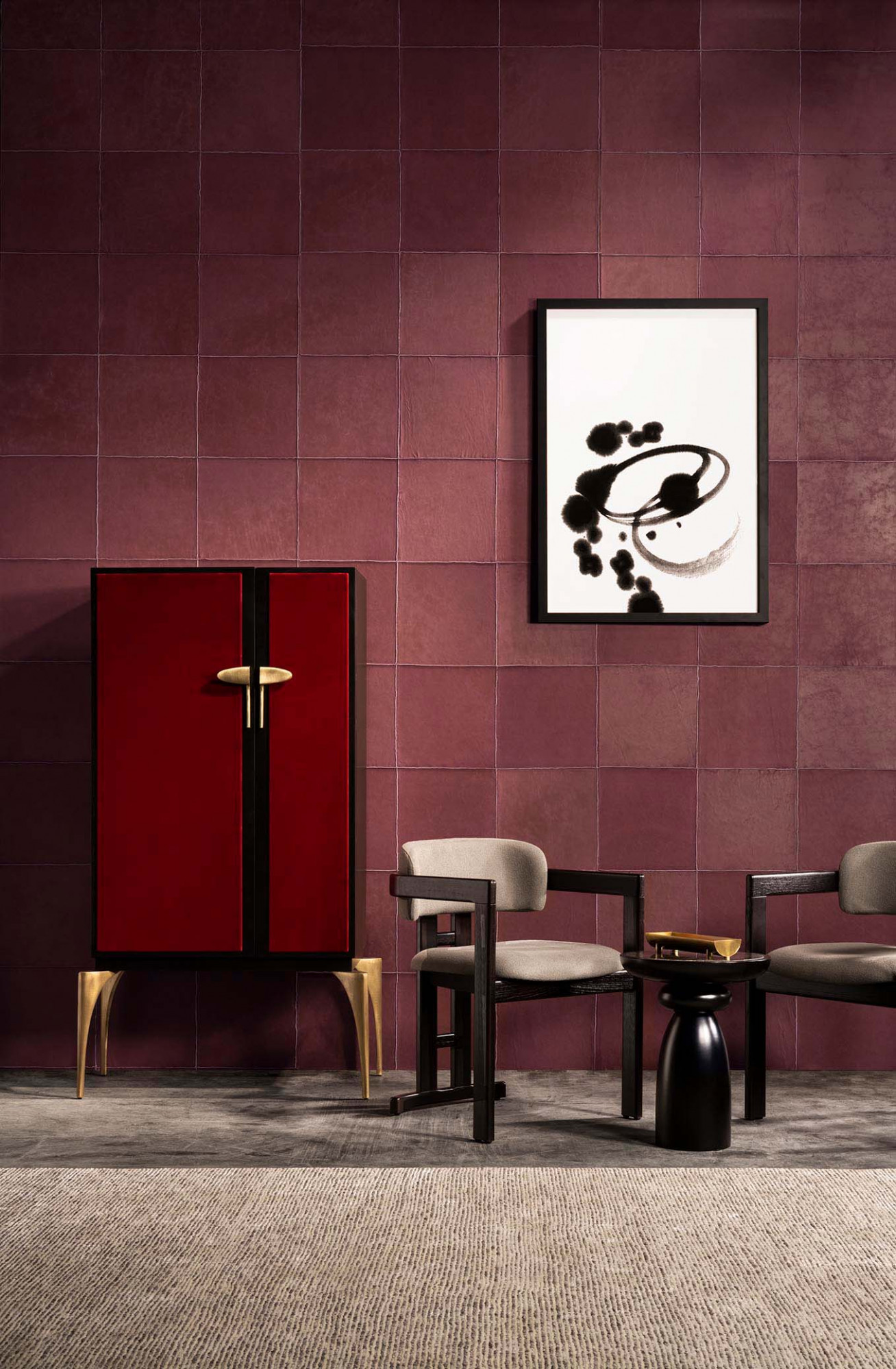
Begin with a clear design direction
A wallcovering can create a dramatic focal point or add quiet texture to an understated room. If you are searching for an arte wallcovering store in Gurgaon, collect inspiration images and identify the colours already present in the space. Consider whether you want a statement wall, a subtle background, or a design that visually connects adjoining rooms. Drapesy can be included in the broader home décor planning process as you compare wall finishes and window treatments.
Understand the room’s light and proportions
Natural light changes how colour and texture appear. A dark wallcovering may feel intimate in a bright room but make a dim room seem smaller. Large motifs can create impact on a wide wall, while finer patterns may suit a compact hallway or study. View samples at different times of day and place them beside the floor, curtains, and furniture. This simple test can reveal colour differences that are difficult to notice under showroom lighting.
Compare materials and textures
Wallcoverings come in different materials and surface finishes, each with its own maintenance and installation requirements. Textured designs can add depth, while smooth finishes may create a cleaner visual effect. Ask whether the product is suitable for the intended room and how it should be cleaned. Moisture-prone spaces need special attention because not every wallcovering is designed for damp conditions. Request written product information and confirm the recommended wall preparation before purchasing.

Coordinate with curtains and furnishings
A premium wall design looks most effective when it works with the room’s other surfaces. If the wallpaper has metallic accents or a prominent motif, choose curtains that echo a colour without repeating the same pattern. For a plain wallcovering, textured or patterned fabrics may add interest. Homeowners comparing an arte wallcovering store in Gurgaon with a D Decor store Delhi can collect samples from each category and assess them together at home. Drapesy can support the broader décor planning process.
Plan quantity, matching, and installation
Wallcovering quantity depends on wall dimensions, roll size, and pattern repeat. Large repeats may create more offcuts because motifs need to align across panels. Measure each wall separately and note doors, windows, and recesses, then ask a supplier or installer to confirm the final quantity. Clarify whether adhesive, surface preparation, labour, and finishing are included. The wall should be clean, dry, and stable before installation, and any dampness or loose plaster should be addressed first.
Ask about maintenance and future changes
Before selecting a design, find out how it responds to sunlight, everyday contact, and cleaning. Keep the product name and care instructions for future reference. If you expect to redecorate in a few years, ask about removal and whether the wall may need additional preparation afterward. A wallcovering is a visual investment, so understanding the maintenance needs helps you select a finish that remains practical as well as attractive.
Build a complete room scheme
Choose a small palette and repeat its colours across curtains, cushions, rugs, and accessories. This creates continuity without requiring a perfect match between every surface. Lighting can also influence the final effect, so consider whether wall sconces, table lamps, or ceiling lights will highlight texture. Drapesy can be included as you compare décor elements for a coordinated room. Verify current availability, prices, product specifications, and fitting terms with the relevant supplier before confirming the project.
Conclusion
An arte wallcovering can transform a room when its scale, material, and colour fit the setting. Compare samples in real lighting, coordinate them with curtains and furniture, and confirm the installation requirements before ordering. If you are searching for an arte wallcovering store in Gurgaon, prepare measurements and a clear brief to make the selection process easier. Drapesy encourages a considered approach that balances visual style with practical planning.

Additional Planning Tips
Plan for different rooms separately
A wallcovering that suits a living room may not be the best choice for a hallway or bedroom. Consider traffic, contact, moisture, daylight, and how often the wall may need cleaning. A delicate finish may work well in a low-contact room, while a busy passage benefits from a material suited to its conditions. Check the manufacturer’s guidance for each product and avoid assuming that one material is appropriate for every space in the home.
Coordinate installation with the rest of the project
If you are changing curtains, painting trim, or moving furniture, plan the order of work before installation begins. Wallpaper is usually easier to fit when the wall is prepared and the room can be kept clear. Ask the installer how long the adhesive needs to set and when furniture can be returned to the room. Coordinating trades and delivery dates can reduce delays and help protect the finished surface from accidental marks or damage.
Further Practical Considerations
Use lighting to enhance the finish
Wallcovering texture can look different under direct sunlight, warm lamps, and cool overhead lighting. Before finalising a design, place a sample on the wall and view it throughout the day. Directional lighting can highlight raised texture, while even lighting may make a smooth finish appear more subtle. Consider whether artwork or wall lights will cover parts of the pattern. Planning these details before installation helps the wallcovering work with the room rather than compete with its other features.
Confirm the supplier and installer responsibilities
Before placing an order, clarify who is responsible for checking wall measurements, calculating roll quantities, preparing the surface, and matching the pattern. Ask how damaged rolls or manufacturing defects are handled and what happens if the installer discovers a wall issue. Keep the product label and purchase details after installation. Drapesy can be considered as part of a broader home décor search, but confirm the exact product and service arrangements with the relevant supplier. Clear responsibilities reduce confusion if a question arises during the project.
Final checks before installation
Before the work begins, confirm the delivery date, access arrangements, and expected installation duration. Move fragile items away from the work area and agree how floors and furniture will be protected. Keep a small record of the selected design and the number of rolls used. These practical steps help the installation run smoothly and make future repairs easier to manage.