
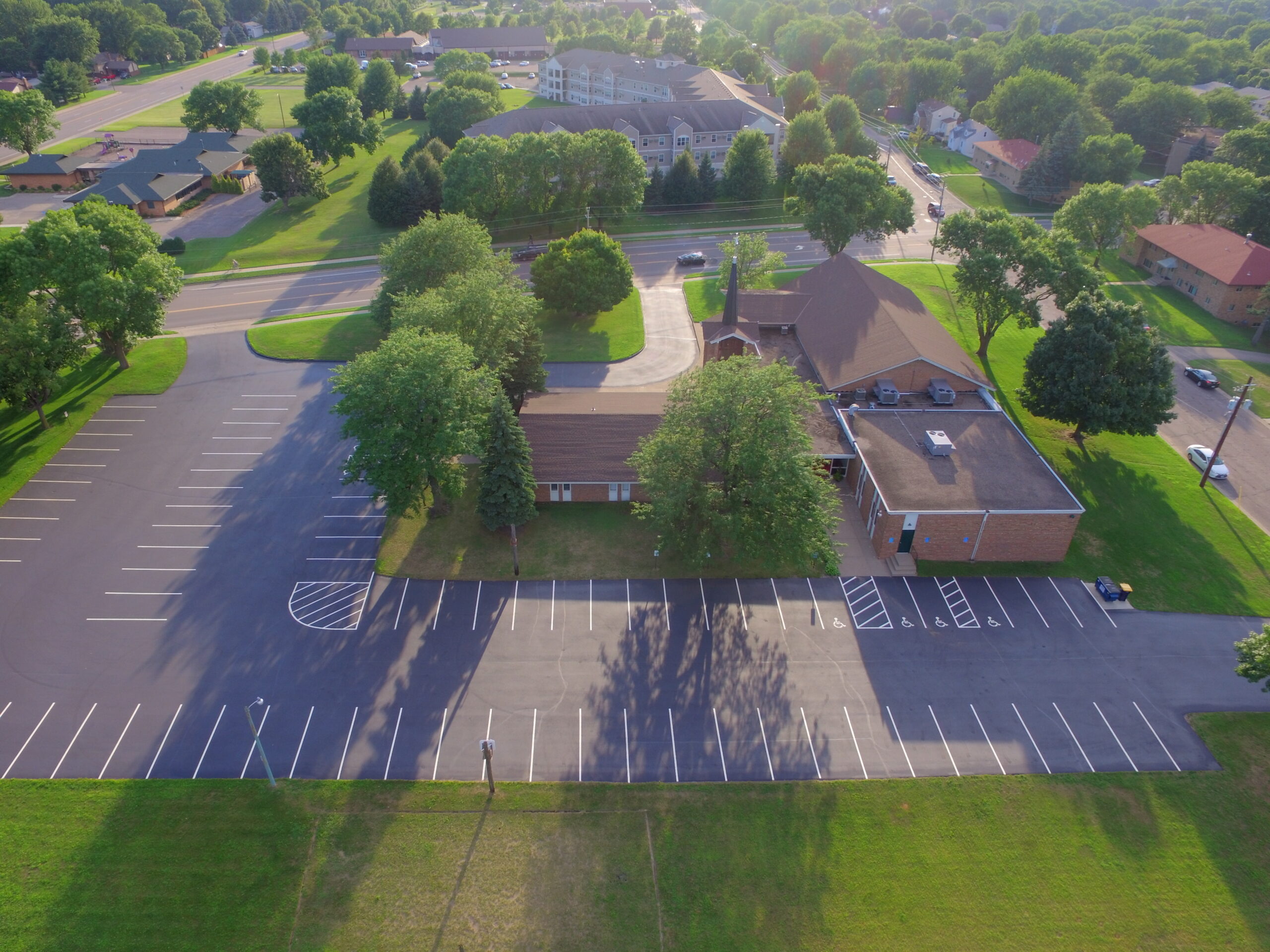
Asphalt repair is one of those services where the difference between doing it right and doing it cheaply becomes obvious within 12 months. Property owners who make the wrong repair choice pay twice, once for the failed repair and again for the correct fix.
Understanding what drives repair decisions, and what distinguishes durable repairs from temporary ones, saves money over the full pavement lifecycle.
Why Some Asphalt Repairs Fail Early
Early repair failure almost always traces back to one of three causes: treating a surface symptom without addressing the underlying cause, using cold-patch material in applications that require hot-mix asphalt, or failing to clean and prepare the repair area correctly.
Potholes are surface symptoms. They form because water infiltrated through cracks, reached the subbase, and caused base failure. A patch that fills the pothole without addressing the crack network that allowed water entry will fail again within one to two freeze-thaw cycles.
Federal Highway Administration pavement management research, identifies subgrade moisture management as the primary driver of pavement failure in most North American climate zones.
The Decision Framework: When to Repair vs. When to Replace
Repair is appropriate when the total area of pavement failure is less than 25 percent of the total surface. When failure exceeds 25 percent, or when base failure is widespread, the economics shift toward overlay or replacement.
Age is also a factor. A 20-year-old asphalt surface with widespread alligator cracking has reached end of life. Investing in spot repairs on end-of-life pavement is poor asset management.
A professional pavement assessment establishes the scope of base failure before recommending a repair or replacement approach. Property owners who invest in that assessment before committing to a repair approach make better decisions.
Repair Methods and Their Appropriate Applications
Crack sealing is the highest-value preventive maintenance activity. Sealing cracks before they allow water infiltration extends pavement life more cost-effectively than any other intervention.
Hot-mix asphalt patching is the correct method for potholes, sunken aprons, and areas with localized base failure. Hot-mix patches integrate with the surrounding pavement and maintain structural integrity across seasonal temperature cycles.
Cold-patch material is appropriate only for temporary repairs in conditions where permanent repair is not immediately possible. Using cold-patch as a permanent repair solution is a maintenance error.
According to National Asphalt Pavement Association standards, hot-mix permanent patching outperforms cold-patch alternatives by 3 to 5 times in service life in most traffic and climate conditions.
How to Evaluate an Asphalt Repair Contractor
Asphalt repair quality varies more by contractor than by material. The difference between a contractor who prepares the repair area correctly and one who does not is the difference between a repair that lasts and one that fails.
- Ask whether the contractor saws or mills the edges of patched areas. Clean-cut edges are essential for patch integration.
- Ask what asphalt mix specification is used for patches. Not all mixes are appropriate for all applications.
- Ask about compaction equipment. Hand tamping is not equivalent to mechanical compaction for permanent repairs.
- Ask for references on similar repair projects. Viewing the quality of work 12 months post-installation is the most reliable quality indicator.
Conclusion
Asphalt repair done correctly is a cost-effective investment in pavement lifecycle management. Done poorly, it is a cycle of repeated spending with declining returns.
The repair methods and contractor evaluation criteria above provide the basis for making decisions that produce durable outcomes rather than temporary ones.