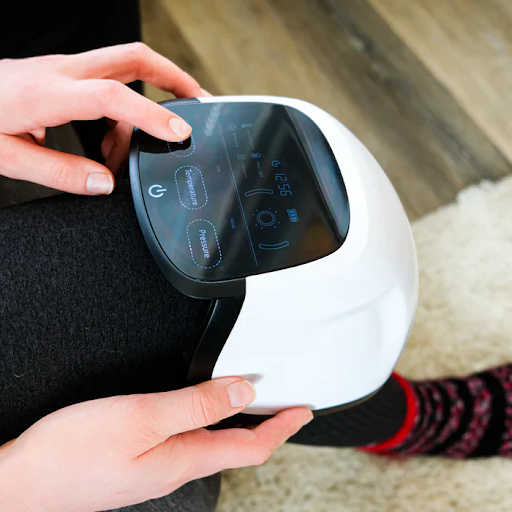
A lot of people deal with poor circulation and don’t even realize it at first. Heavy legs. Cold feet. Tight calves that seem to stay stiff no matter how much stretching gets done. Then the swelling starts showing up after long work days or hours sitting around. That’s usually when people start looking into recovery tools, and somewhere along the line, a leg knee massager gets mentioned.
Fair question, though. Can it actually improve blood circulation naturally, or is it just another gadget collecting dust beside the treadmill? Turns out, there’s something to it. Not magic. Not a miracle cure either. But there are real reasons people keep using them.
How Blood Circulation Works in the Legs
Blood circulation sounds complicated, but really, the body is just trying to keep blood moving efficiently from the heart down through the legs and back again. The problem is, legs take a beating every day. Standing too long hurts circulation. Sitting too long does too. Aging doesn’t help much either.
When circulation slows down, people often notice:
- Swelling around the knees or ankles
- Tingling sensations
- Muscle fatigue
- Stiff joints
- That annoying “heavy leg” feeling
And honestly, some people just ignore it until the discomfort gets hard to brush off.
The muscles in the legs normally help pump blood upward. Movement matters. Walking helps. Stretching helps. Massage can help too because pressure on muscles may encourage blood flow through the tissues. That’s basically where leg and knee massagers come into play.
What a Leg Knee Massager Actually Does
Most modern leg massagers use a mix of compression, vibration, heat, or air pressure. Some focus heavily on the calves, while others wrap around the knees and thighs too. Different setups, same basic goal — stimulate muscles and encourage circulation.
The compression part matters a lot. It gently squeezes and releases the muscles, kind of mimicking what happens during movement. Not exactly like walking, obviously, but enough to create a pumping effect in the legs.
Heat is another thing people overlook. Warmth naturally helps blood vessels expand a little. That can improve blood flow temporarily and relax stiff muscles around the knees. Especially after workouts or long shifts standing on concrete floors. Anyone who’s worked warehouse jobs knows that feeling. Brutal.
A decent leg massager won’t replace exercise or fix medical circulation disorders overnight. But for everyday soreness and mild circulation issues? Yeah, many users notice relief pretty quickly.
Can It Improve Circulation Naturally?
Short answer — yes, to a point.
Massage therapy has been connected with improved blood flow for years. A leg knee massager basically brings some of that effect home in a more convenient form. The repeated pressure stimulation can encourage circulation without medication or invasive treatments.
That said, people sometimes expect too much. It’s not going to “clean arteries” or cure serious vascular disease. Marketing online gets ridiculous sometimes.
But naturally, improving circulation through muscle stimulation, warmth, and relaxation? That’s realistic.
The biggest improvements are usually noticed by people who:
- Sit for long hours daily.
- Stand all day at work.
- Experience mild swelling
- Have post-workout muscle tightness
- Deal with age-related stiffness
And honestly, stress plays into this, too. Tight muscles restrict movement. Poor movement affects circulation. Once the body relaxes a little, things tend to move better overall.
The Best Knee Massager Isn’t Always the Most Expensive
People make this mistake constantly. They assume expensive automatically means effective. Not really.
Sometimes the best knee massager is simply the one a person actually uses consistently. Comfort matters more than fancy marketing features. If the pressure feels awkward or the device is annoying to wear, it’ll end up shoved in a closet after a week.
A good unit should feel supportive without being painfully tight. Adjustable intensity helps because everybody’s tolerance is different. Heat settings are useful too, especially for older users with chronic knee stiffness.
Battery life matters more than people think. So does portability. Someone recovering after work probably doesn’t want a complicated setup with wires everywhere.
And there’s another thing nobody mentions enough — noise. Some massagers sound like small lawn equipment. Hard to relax when the machine is growling beside the couch.
Who Benefits Most From Using One?
Athletes use them. Older adults use them. Office workers probably need them more than either group, honestly.
People sitting at desks for ten hours straight usually have circulation problems creeping up slowly. Tight hips, stiff knees, swollen ankles. The body wasn’t built for endless sitting. A leg massager can help offset some of that stiffness between workouts or walks.
For active people, recovery is where these devices shine most. Better circulation may help muscles recover faster because blood carries oxygen and nutrients into tired tissues. That’s why massage has stayed popular for decades, even before all the electronic versions showed up.
Older adults often like the warmth and gentle compression more than the actual massage itself. Joint stiffness can make movement uncomfortable, so anything that loosens the knees a bit tends to get appreciated pretty fast.
A Few Things People Shouldn’t Ignore
This part matters.
A leg knee massager isn’t meant to replace medical care. If someone has severe swelling, blood clots, varicose vein pain, diabetes complications, or ongoing numbness, they should talk with a doctor first. No gadget should be treated like a cure-all.
Also, overusing high-intensity settings can leave muscles sore instead of relaxed. More pressure isn’t always better. Some people crank these things up like they’re testing industrial equipment. Bad idea.
Consistency works better than intensity anyway. Fifteen or twenty minutes regularly usually beats one aggressive hour-long session once a month.
Conclusion
So, can a leg knee massager improve blood circulation naturally? In many cases, yeah, it can help. Especially for people dealing with everyday stiffness, fatigue, or mild circulation issues from sitting too much or standing all day.
The combination of compression, heat, and muscle stimulation may encourage healthier blood flow while also reducing tension in the legs and knees. It’s simple stuff, really. Help the muscles relax, keep movement happening, and improve comfort a little.
That’s why more people are paying attention to recovery devices now instead of waiting until discomfort gets worse.
And when choosing the best knee massager, practicality usually beats flashy marketing. Comfort, consistency, and ease of use matter way more than hype. A solid massager used regularly will almost always do more good than an expensive one sitting untouched in the box.