
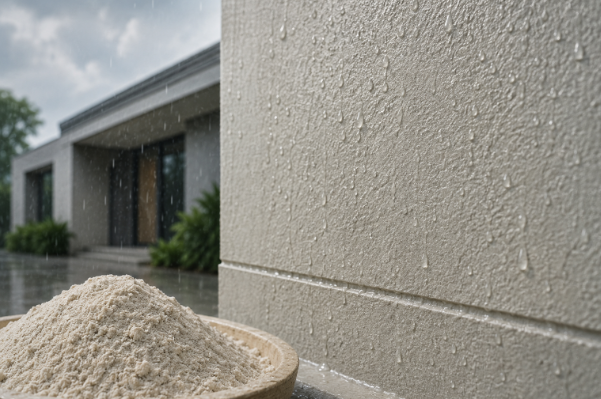
We have all seen this happen before. A house gets freshly plastered, the paint looks smooth, the walls feel perfect for a few months… then the rainy season shows up and suddenly little cracks appear out of nowhere. Paint starts peeling in corners, damp spots creep in slowly, and the whole exterior begins looking tired way too soon.
Honestly, it gets annoying. Especially after spending good money on construction work.
One thing we usually overlook during plaster work is the sand itself. Most people focus on cement, paint, or waterproof coatings, but washed plaster sand quietly plays a huge role in how well exterior walls survive wet weather.
And surprisingly… it matters more than many people think.
Exterior Walls Deal With Constant Weather Stress
Indoor walls live an easy life compared to exterior surfaces.
Outside walls deal with rain, heat, humidity, dust, and temperature changes almost every day. One afternoon is hot and dry, then suddenly heavy rain arrives at night. That constant expansion and shrinking puts pressure on plaster surfaces over time.
If the plaster mix is weak or uneven, moisture slowly finds its way inside.
At first, the damage seems small.
Maybe a tiny crack near the corner.
Then a patch of bubbling paint.
Then more peeling.
Ugh… it keeps growing from there.
A lot of these problems actually begin underneath the paint layer during the plastering stage itself.
So, What Makes Washed Plaster Sand Different?
Regular construction sand often carries unwanted stuff mixed inside it. Tiny clay particles, dirt, dust, salts, and other impurities usually stay hidden in the material.
The problem is… those particles affect the plaster mix more than we realize.
Washed plaster sand goes through a cleaning process that removes most of those unwanted materials. What remains is cleaner and more consistent sand that blends properly with cement and water.
Sounds simple, right?
But that cleaner mix helps create stronger plaster.
And stronger plaster usually means better resistance against moisture later.
A Smoother Mix Helps Walls Stay Stronger
Here is something many workers notice during application. Plaster made with cleaner sand simply feels easier to spread.
It does not drag too much.
It does not feel overly rough.
The mix stays smoother and more balanced across the wall surface.
That may sound like a small thing, but it actually helps reduce tiny air gaps inside the plaster layer. Those little pockets become trouble later because moisture loves slipping into weak spaces.
When exterior plaster becomes denser and more even, rainwater has a harder time getting inside.
No, washed plaster sand does not magically waterproof the wall. We should be realistic about that. But it definitely helps improve the durability of the finish in wet and humid conditions.
Especially during long rainy seasons… every bit of protection matters.
Cracks Become Less of a Headache
Let us be honest. Exterior wall cracks are one of the most frustrating things to deal with.
Sometimes they appear only months after construction finishes.
And once water enters those tiny cracks? The damage slowly grows bigger with every season.
Poor quality sand can create uneven plaster strength across the wall. Some areas dry faster, some weaker sections begin shrinking differently, and cracks eventually show up.
Using washed plaster sand helps create a more balanced plaster layer because the particles are cleaner and more uniform in size.
That consistency helps the wall dry more evenly.
And when drying stays even, the surface usually handles weather changes better over time.
Not perfect, of course. No building material is perfect. But definitely more reliable.
Exterior Finishes Also Look Better
We cannot ignore appearance either.
Nobody wants exterior walls looking patchy after the first heavy rain.
Dirty sand sometimes leaves stains or rough textures behind in plaster. After moisture exposure, those uneven areas become even more noticeable.
Cleaner plaster sand helps create a smoother finish with a more uniform texture. Paint also tends to sit more evenly on properly prepared plaster surfaces.
And honestly… maintenance becomes easier later too.
Because repainting exterior walls every single year? Nobody enjoys that job.
Even Small Projects Benefit From Better Sand
Sometimes people think material quality only matters for large commercial buildings.
Not really.
Small residential projects face moisture problems too.
Boundary walls, patios, outdoor kitchens, garden walls, and exterior facades all deal with rain exposure. If weak plaster gets used in those areas, repairs usually show up sooner than expected.
That is why using washed plaster sand from the beginning often saves time and frustration later.
Funny thing is… we spend hours choosing paint shades and finishes, but the base layer underneath barely gets attention sometimes.
Why Builders Often Prefer Cleaner Sand in Wet Areas
In areas where rain and humidity stick around for months, builders usually become extra careful about plaster quality.
Because once moisture damage starts, repairs rarely stay small.
A weak plaster surface can slowly affect paint, texture, and even parts of the wall underneath. Cleaner materials help reduce those risks from the start.
That is one reason washed plaster sand continues becoming a preferred choice for many exterior projects where weather conditions stay unpredictable.
Simple material choice… long-term difference.
Final Thoughts
Wet weather can slowly wear down exterior finishes when the plaster underneath is not prepared properly. While cement and paint matter a lot, sand quality should never be ignored.
Using washed plaster sand helps create cleaner, smoother, and more consistent plaster surfaces. It supports better bonding, reduces impurities, and improves the overall durability of exterior finishes exposed to rain and humidity.
Sometimes the smallest construction details end up making the biggest difference later.
Especially when the weather refuses to cooperate.
FAQs
1. What is washed plaster sand mainly used for?
Washed plaster sand is commonly used for plastering walls and surfaces where a smooth and clean finish is needed. It works well for both interior and exterior projects.
2. Can washed plaster sand help reduce wall cracks?
Yes, cleaner and more consistent sand can help create a balanced plaster mix, which may reduce uneven drying and lower the chances of cracking over time.
3. Is washed plaster sand suitable for wet climates?
Absolutely. It is often preferred in rainy or humid areas because it contains fewer impurities that may weaken plaster surfaces.
4. Does washed plaster sand improve paint finishing?
A smoother plaster surface usually helps paint adhere more evenly and creates a cleaner final appearance on exterior walls.
5. Can small residential projects use washed plaster sand?
Yes, definitely. It works well for homes, patios, garden walls, outdoor kitchens, and boundary walls where weather exposure is common.