
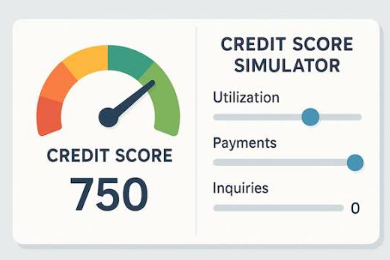
A healthy credit profile plays a crucial role in achieving financial goals, whether it is applying for a personal loan, credit card, home loan, or any other form of credit. Lenders use your credit score to assess your repayment behavior and determine your creditworthiness. However, many borrowers are unaware of how certain financial decisions can impact their score. This is where a credit score simulator becomes a valuable tool.
A credit score simulator helps individuals understand how specific actions, such as paying off debt, opening a new credit account, or missing a payment, may affect their credit score. By providing predictive insights, it allows borrowers to make smarter financial decisions and build a stronger credit profile over time.
What Is a Credit Score Simulator?
A credit score simulator is a financial tool designed to estimate how different credit-related actions could influence your credit score. Instead of waiting months to see the impact of your financial decisions, users can test various scenarios and gain insights into potential score changes before taking action.
The simulator uses factors commonly considered in credit scoring models, such as:
- Payment history
- Credit utilization ratio
- Length of credit history
- Credit mix
- Recent credit inquiries
By analyzing these elements, the tool provides an estimated outcome based on hypothetical financial actions.
Why Is Your Credit Score Important?
Your credit score is one of the most significant indicators of your financial reliability. A higher score can help you:
- Qualify for loans more easily
- Secure lower interest rates
- Increase credit card approval chances
- Access higher credit limits
- Improve your overall financial credibility
On the other hand, a low credit score can limit borrowing options and result in higher borrowing costs. This is why monitoring and improving your credit profile should be a financial priority.
How a Credit Score Simulator Works
A credit score simulator allows users to input different financial scenarios and estimate their potential impact on credit health.
For example, you can simulate situations such as:
- Paying off an outstanding credit card balance
- Reducing credit utilization by a certain percentage
- Applying for a new loan
- Closing an old credit account
- Missing a monthly payment
The simulator then generates an estimated score range, helping you understand whether a specific action may improve or reduce your credit standing.
Key Benefits of Using a Credit Score Simulator
1. Better Financial Planning
One of the biggest advantages of using a credit score simulator is improved financial planning. Before making major financial decisions, you can assess their potential impact on your credit profile and avoid actions that may negatively affect your score.
2. Understanding Credit Behavior
Many borrowers know their current credit score but do not fully understand what influences it. A simulator helps bridge this knowledge gap by showing how different behaviors can affect creditworthiness.
For instance, users can learn how reducing credit card balances or making timely payments contributes to long-term score improvement.
3. Setting Realistic Credit Goals
Improving a credit score takes time. A simulator helps users establish realistic goals by showing the estimated results of various credit management strategies. This allows individuals to create a structured plan for improving their credit profile.
4. Avoiding Costly Mistakes
Certain actions, such as applying for multiple loans within a short period, can negatively impact credit scores. By testing these scenarios beforehand, borrowers can make informed decisions and avoid unnecessary damage to their credit history.
5. Increased Loan Approval Chances
Lenders often evaluate credit scores before approving loans. A stronger credit profile can improve approval odds and help borrowers access better financing options. Using a simulator can guide users toward actions that support credit improvement before submitting a loan application.
Common Scenarios You Can Test
A credit score simulator can help evaluate several real-life financial situations.
Paying Off Existing Debt
Reducing debt is often one of the most effective ways to improve credit health. A simulator can estimate how much your score may increase after paying off outstanding balances.
Increasing Credit Limits
A higher credit limit can reduce your credit utilization ratio if spending remains the same. Users can test this scenario to understand its potential impact.
Opening a New Credit Account
While new accounts may improve credit mix over time, they can also trigger hard inquiries that temporarily affect scores. Simulation tools help evaluate these trade-offs.
Missing a Payment
Payment history is one of the most influential credit score factors. Simulating missed payments can demonstrate how serious the consequences may be and encourage responsible repayment habits.
Can a Credit Score Simulator Help People With Low Credit Scores?
Yes. Individuals with low credit scores can benefit significantly from these tools. By identifying actions that contribute to score improvement, users can create an effective strategy for rebuilding their credit profile.
Many borrowers with lower scores often search for a bad cibil loan provider when traditional lenders reject their applications. While such lenders may offer financing options, borrowers should focus on improving their credit profile first. A stronger credit score can help secure better loan terms and lower interest rates in the future.
Using predictive tools can reveal which financial behaviors are likely to have the greatest positive impact on creditworthiness.
Best Practices for Improving Your Credit Profile
While a simulator provides valuable insights, actual improvement requires consistent financial discipline.
Pay Bills on Time
Timely payments are among the most important factors affecting credit scores. Even a single missed payment can have a negative impact.
Maintain Low Credit Utilization
Experts generally recommend keeping credit utilization below 30% of the available credit limit. Lower utilization demonstrates responsible credit management.
Avoid Frequent Loan Applications
Multiple loan applications within a short timeframe can result in several hard inquiries, potentially lowering your score.
Review Credit Reports Regularly
Checking your credit report helps identify errors, fraudulent activity, or outdated information that could affect your credit profile.
Keep Older Accounts Active
Long-standing accounts contribute positively to credit history length. Maintaining older accounts can strengthen your overall credit profile.
Limitations of Credit Score Simulators
Although a credit score simulator is a useful planning tool, it is important to understand its limitations.
- Results are estimates, not guarantees.
- Different credit bureaus may use varying scoring models.
- Actual score changes depend on multiple factors.
- Simulators cannot predict lender-specific approval decisions.
Therefore, users should treat simulation results as guidance rather than exact predictions.
Conclusion
A credit score simulator is a practical tool that helps individuals understand the potential impact of financial decisions before taking action. By allowing users to test different scenarios, it supports smarter credit management, better financial planning, and long-term credit improvement.
Whether you are working toward a higher credit score, preparing for a loan application, or exploring options after searching for a bad cibil loan provider, understanding how your actions influence credit health is essential. Combined with responsible financial habits such as timely payments, low credit utilization, and regular credit monitoring, a simulator can become an important part of your financial toolkit.
Ultimately, improving your credit profile is not about quick fixes but about making informed decisions consistently. A credit score simulator provides the insights needed to stay on the right path and build stronger financial credibility over time.