
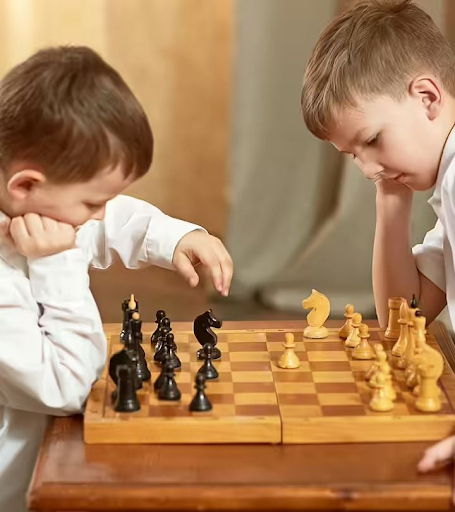
Starting chess can feel exciting, but choosing the right course can be harder than learning how the pieces move. Beginners need a course that makes learning clear, enjoyable, and structured. A best chess course for beginners should help students understand the basics while giving them chances to practice what they learn.
The course should also match the learner’s level, pace, and goals. Some students may simply want to enjoy chess, while others may hope to play tournaments or build stronger skills over time. Looking at a few important factors can make this choice much easier.
Start With a Course That Matches the Learner’s Level
A beginner should not be pushed into advanced concepts before understanding the foundation. A good course starts with the basics and gradually introduces more challenging ideas. This creates a comfortable learning path instead of making chess feel confusing.
Look for lessons that explain how each piece moves, how check and checkmate work, basic chess notation, and simple game rules. Once these ideas are clear, the learner can begin exploring tactics, opening principles, middlegame ideas, and endgames.
Look at What the Curriculum Actually Teaches
A course title can sound impressive, but the curriculum tells you much more about the learning experience. Beginners should check whether the program covers the important stages of chess rather than focusing on only one part of the game.
The best beginner chess course should balance knowledge with practical learning. Students need to understand concepts, solve exercises, review positions, and apply their ideas during actual games. A curriculum that moves from fundamentals to tactics, strategy, and endgames can provide a more complete foundation.
It is also helpful when lessons include game analysis and tournament preparation as the learner progresses. These activities show how classroom concepts work in real positions and highlight areas that need more practice.
Check the Learning Features Before Enrolling
The way a course is delivered can influence how actively a beginner participates. Online learning can be useful when it includes interactive elements rather than relying only on passive instruction.
-
Interactive Exercises
Exercises give beginners a chance to apply a concept immediately. Solving tactical positions or identifying possible moves can make lessons more active and help learners practise decision-making.
-
Personalised Guidance
Students do not always learn at the same speed. One learner may understand tactics quickly, while another may need more time with basic positions. Personalised guidance can help the teaching approach fit individual needs.
-
Game Analysis
Reviewing completed games can turn mistakes into learning opportunities. Beginners can understand why a move worked or failed and gradually become more aware of their own playing patterns.
-
Progress Tracking
Progress reports and regular feedback can help learners and parents understand what has been covered and where additional practice may be useful. This can make long-term learning feel more organised.
-
Tournament Practice
Playing games under competitive conditions gives beginners practical experience. Regular tournaments can help them apply lessons, manage time, and become more comfortable making decisions during a real game.
Consider the Teaching Format and Support
The right teaching format depends on the learner. One-on-one coaching can provide more individual attention, while group classes can offer interaction with other students. Both formats can work well when the lessons are organised around a clear curriculum.
Parents should also consider how the course handles questions, practice, feedback, and communication. A learner may understand a lesson during class but struggle when trying the same idea independently. Accessible support can make it easier to clear doubts and continue practising.
For online courses, check whether the programme combines live instruction with digital study materials, interactive exercises, game analysis, and other learning tools. A mix of teaching and practice can make learning more engaging.
Think About Long-Term Chess Development
Choosing a beginner course should not only be about the first few lessons. It is useful to consider what happens after the learner becomes comfortable with the basics. A clear pathway can make it easier to continue learning without starting from scratch again.
A course can support long-term development by gradually introducing more complex tactical patterns, positional ideas, strategic planning, and endgame techniques. Students who become interested in competitive chess may also benefit from tournament exposure and deeper game analysis.
Before enrolling, consider these five points:
- The course should suit the learner’s current chess level.
- The curriculum should progress from fundamentals to advanced concepts.
- Lessons should include enough practice, not just explanations.
- Feedback should help the learner understand mistakes and improve.
- The programme should offer a clear path for continued learning.
These points can help learners compare courses carefully. The goal is not simply to find a course with many lessons, but to choose one that creates a steady learning journey forward.
Make Learning Enjoyable and Consistent
Chess takes practice, and beginners are more likely to stay interested when learning feels rewarding. A course should offer opportunities to solve problems, play games, review positions, and see improvement.
Consistency also matters. Short, regular practice can help learners remember concepts better than studying a large amount of material occasionally. The teaching environment should therefore encourage curiosity and patience rather than making every lesson feel like a test.
For children especially, enjoyment can play an important role. A balanced approach can combine structured lessons with games, challenges, tournaments, and interactive activities. This allows learners to develop skills while keeping their interest in chess alive.
Conclusion
Choosing a chess course becomes easier when beginners look beyond the course name and examine its curriculum, teaching format, practice opportunities, feedback, and long-term learning path. A good choice can give learners a strong foundation and help them progress with greater confidence.
For families seeking structured Chess Classes, Chessbrainz offers online chess learning through level-based courses, personalised coaching, group learning, interactive practice, game analysis, tournaments, and technology-supported learning. Its curriculum is designed to guide learners from foundational concepts towards more advanced chess development, making Chessbrainz a relevant option for beginners and families looking for a structured path in chess education.