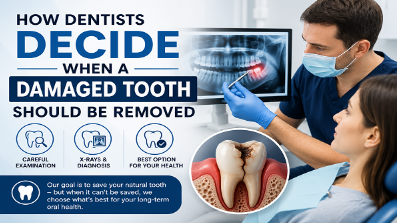
When I think about a damaged tooth, I do not think about removal first. I think about saving the tooth whenever that option makes sense. However, some teeth become too weak, painful, infected, or broken to stay healthy in the mouth.
Many people feel nervous when they hear that a tooth may need removal. Therefore, I always believe the first step is a clear exam and a calm conversation. A dentist checks the tooth, listens to the symptoms, and studies the full mouth because one damaged tooth can affect chewing, comfort, and oral health.
Sometimes, a tooth can heal with a filling, crown, root canal, or gum treatment. However, when the damage goes too far, tooth extraction dentistry may become the safest way to protect the rest of the smile.
In Richmond, Tx, patients often ask how dentists know when a tooth should stay or go. The answer depends on many things, including pain level, infection, bone support, tooth structure, and long-term function.
Why Dentists Do Not Rush Tooth Removal
A natural tooth has great value. It helps with chewing, speaking, smile shape, and jaw balance. Because of that, I never think tooth removal should be the first answer unless the tooth truly cannot work well anymore.
First, a dentist checks whether the tooth still has enough healthy structure. If a large part of the tooth remains strong, a crown or filling may help. Also, if the nerve inside the tooth has infection but the outside structure is still stable, a root canal may help save it.
However, the tooth must have a real chance of lasting. A weak tooth that keeps breaking can cause more pain later. Also, an infected tooth can spread bacteria if treatment gets delayed. So the goal is not only saving the tooth. The goal is protecting the whole mouth.
What Makes A Tooth Too Damaged To Save
A tooth may look small, but it has several important parts. The outer enamel protects it. The inside dentin supports it. The nerve and blood vessels sit deep in the center. Also, the root holds the tooth in the jawbone.
When damage affects only the surface, simple care may work. However, when damage reaches deep inside or below the gumline, the tooth becomes harder to repair. For example, a deep crack may split the tooth in a way that a crown cannot support.
Also, a large cavity can destroy too much tooth structure. In that case, a filling may not stay in place. Even a crown may not hold if there is not enough strong tooth left under it.
That is why dentists look at the full tooth, not just the visible part. A tooth may look repairable from the outside, yet the root may show serious damage on an X-ray.
How Pain Helps Dentists Understand The Problem
Pain gives useful clues. However, pain alone does not tell the full story. Some damaged teeth hurt badly, while others stay quiet even with serious infection.
Sharp pain while chewing may point to a crack. Lingering pain after hot or cold drinks may point to nerve trouble. Swelling near the tooth may point to infection. Also, pain that spreads to the jaw or ear may show that the problem needs fast dental care.
Still, I would not decide on damaged tooth removal based only on pain. A dentist also checks X-rays, gum health, bite pressure, and the condition of nearby teeth. This full check helps avoid quick choices that may not fit the real problem.
The Role Of X-Rays In The Decision
X-rays help dentists see what eyes cannot see. They can show deep decay, bone loss, infection around the root, hidden cracks, impacted teeth, and root shape. Therefore, they play a major role in deciding whether a tooth can stay.
For example, if an X-ray shows a small area of decay, the dentist may suggest a filling. If it shows infection near the root tip, a root canal may work. However, if the tooth has a serious vertical crack or severe bone loss, removal may be the better choice.
X-rays also help dentists plan treatment safely. If a tooth sits close to nerves or sinuses, the dentist needs to know that. As a result, the removal plan can be more careful and comfortable.
When Infection Leads To Damaged Tooth Removal
A tooth infection can start when bacteria reach the inner nerve area. This may happen through a deep cavity, crack, injury, or old dental work. At first, a root canal may help remove the infection and save the tooth.
However, the tooth may need removal if the infection keeps coming back. Also, removal may make sense if the tooth has too much decay or if the root has serious damage. In these cases, keeping the tooth may create more risk than benefit.
Infection should never be ignored. It can cause swelling, bad taste, pressure, and strong pain. More importantly, it can affect nearby teeth and gums. Therefore, I always suggest quick dental care when signs of infection appear.
How Gum And Bone Support Affect The Choice
A tooth does not stand alone. It needs healthy gums and strong bone support. Even a tooth with a good crown may fail if the bone around it becomes weak.
Gum disease can cause bone loss over time. As bone support decreases, the tooth may loosen. Sometimes, deep cleaning and gum treatment can help. However, if the tooth moves too much and has poor support, it may not stay stable.
In Richmond, Tx, people sometimes come in because one tooth feels loose or sore when chewing. In that situation, a dentist checks gum pocket depth, bone level, and tooth movement. Then the dentist can explain whether the tooth still has a strong future.
Cracks And Breaks That Dentists Take Seriously
Not every cracked tooth needs removal. Some small cracks can be protected with a crown. Also, a chipped edge may need bonding or a filling. However, deeper cracks create more concern.
A vertical crack that travels down the root can make the tooth very hard to save. Bacteria can move through the crack and reach the bone. As a result, infection and pain may continue even after repair attempts.
A tooth broken below the gumline can also create a problem. There may not be enough tooth left for a crown to hold. In that case, damaged tooth removal may protect the mouth from future pain.
Why Wisdom Teeth May Need Removal
Wisdom teeth are the last teeth to come in. Many people do not have enough space for them. Because of this, they may grow sideways, stay trapped, or push against nearby teeth.
A damaged wisdom tooth may be hard to clean. Food and bacteria can collect around it. Then decay, gum swelling, and infection can happen. Also, wisdom teeth can cause pressure or jaw discomfort.
Dentists may recommend removal when a wisdom tooth causes pain, crowding, decay, infection, or gum problems. However, they still check the position and the patient’s overall health first.
What Happens When A Dentist Recommends Removal
When a dentist recommends removal, the patient should understand the reason clearly. I believe a patient should know what the dentist sees, what other options exist, and what may happen if treatment gets delayed.
The dentist may explain the exam findings in simple words. They may show the X-ray and point out the damaged area. Also, they may talk about comfort options, healing time, and replacement choices if needed.
Tooth removal should not feel like a mystery. It should feel like a planned step to stop pain, remove infection, or protect long-term oral health.
Can A Removed Tooth Be Replaced?
Yes, many removed teeth can be replaced. Replacement depends on the tooth location, bone health, budget, and smile goals. Common options may include dental implants, bridges, or partial dentures.
A dental implant can replace the tooth root and support a crown. A bridge can use nearby teeth for support. A partial denture can replace one or more missing teeth. Each option has its own benefits.
The best choice depends on the person. Therefore, I think tooth replacement planning should happen early. This helps protect chewing comfort and smile balance after removal.
How Patients Can Prepare For The Visit
A patient can make the visit easier by sharing full details. Tell the dentist when the pain started, what makes it worse, and whether swelling or fever happened. Also, share any medical conditions or medications.
It also helps to ask questions. Patients can ask why removal may be needed, whether the tooth can be saved, and what the next steps will look like. Clear answers can reduce fear.
If a dentist recommends Tooth Extractions in Richmond TX, the goal should be comfort, safety, and better oral health. A trusted dental team can guide each step and explain the reason behind the treatment.
How To Avoid Future Tooth Damage
Good daily care can lower the risk of damaged teeth. Brushing twice a day helps remove plaque. Flossing helps clean between teeth. Regular dental visits help find small problems early.
Also, people who grind their teeth may need a nightguard. Grinding can crack teeth, weaken fillings, and cause jaw pain. A nightguard can protect the teeth while sleeping.
Food choices matter too. Hard candies, ice chewing, and sticky foods can break weak teeth. Therefore, small habit changes can help protect the smile for years.
Key Takeaways
- Dentists try to save damaged teeth first when repair is still safe and useful.
- Damaged tooth removal may be needed when pain, infection, cracks, or bone loss create bigger risks.
- A dental exam helps patients understand their best option without guessing or delaying care.
Final Thoughts
Damaged tooth removal is not a random choice. Dentists look at pain, decay, infection, cracks, gum health, bone support, and long-term function. Then they decide whether the tooth can still help the smile or whether it creates more risk.
In Richmond, Tx, patients should not wait until pain becomes severe. Early dental care gives more treatment options and helps protect nearby teeth. Also, it can make the whole process easier and less stressful.
When I think about a damaged tooth, I think about the safest path for the whole mouth. Sometimes that path means saving the tooth. However, when the damage goes too far, removal can be the healthiest choice for comfort, function, and long-term oral health.