
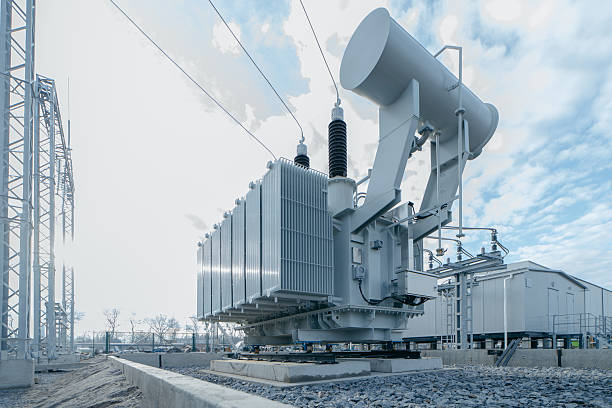
A power transformer is supposed to transfer electricity, not quietly waste a chunk of it along the way. Sounds obvious, but efficiency depends on a lot more than just putting copper windings around a steel core. The people building these machines have to make dozens of choices that affect how much energy gets lost during normal operation. This is one reason Power transformer manufacturers in Ireland have to take efficiency seriously, especially when transformers may stay in service for 20, 30 years or even longer. A small loss that seems harmless on one day can become a very expensive problem after thousands of days of continuous operation.
The Transformer Core Is a Good Place to Start
Think about the core for a minute. Even when the transformer isn’t supplying much load, the core is still magnetised while the unit is energised. That means energy is being lost all the time. These are known as no-load losses, and manufacturers work hard to keep them down. Good quality electrical steel is commonly used, with thin laminations that limit unwanted circulating currents. The way those laminations are cut and put together matters as well. Core joints, gaps, and alignment all have an effect. It’s not something a customer normally sees once the transformer is sitting in a substation, but it matters every hour the equipment is switched on. Better core construction means less energy disappearing as heat.
Winding Design Can Save Energy Too
The windings are another obvious area where losses occur. Electricity moving through a conductor meets resistance, and that resistance produces heat. Pretty basic electrical science. The challenge for a manufacturer is reducing that resistance without creating a transformer that is massive, impractical, or wildly expensive. Conductor size, winding arrangement, material selection, and the length of the winding all come into the design. Manufacturers may use copper or aluminium depending on the requirements. They also have to think about stray losses, because magnetic fields around the windings can create additional losses in nearby metal parts. Get the arrangement right, and the transformer runs more efficiently. Get it wrong, and some of the energy is basically paying to make heat.
Cooling Is More Important Than People Think
Heat doesn’t just vanish because the transformer is built well. Some is always produced, so it needs somewhere to go. Manufacturers design cooling arrangements to deal with this without creating another source of unnecessary energy consumption. Depending on the transformer, cooling may rely on natural air movement, forced air, insulating liquids, or a combination of methods. The correct approach depends on the size and application of the equipment. There’s a bit of common sense involved here too. A transformer working outdoors in different weather conditions has different needs from one installed inside an industrial facility. Keeping temperatures within the proper range protects the insulation and helps maintain efficiency. Too much heat over time is asking for trouble.
Don’t Buy More Transformer Than You Actually Need
Transformer sizing gets overlooked sometimes. Bigger isn’t automatically better. If a transformer is substantially oversized for its normal load, it can still consume energy through its core losses even though much of its capacity sits unused. But going too small isn’t clever either. A transformer that’s constantly pushed hard will experience greater load losses and more heat. Manufacturers can look at expected demand before recommending a suitable rating. They may consider peak loads, normal operating levels, and possible future expansion. That’s much better than choosing a size based on guesswork. Real electrical systems have habits. Some run steadily. Others have sharp peaks during certain hours. The transformer needs to cope with the actual pattern, not some imaginary perfect load.
Good Manufacturing Work Makes a Difference
A clever transformer design can still be ruined by sloppy manufacturing. That’s just the truth. The core needs to be assembled properly, windings have to sit where they’re supposed to, and electrical connections must be secure. Insulation has to be handled carefully because even small defects can cause serious problems later. Manufacturing tolerances aren’t there for decoration either. Modern production equipment gives manufacturers better control over these details, while experienced technicians still play a big role in spotting things machines might miss. When everything is assembled correctly, the finished transformer is much more likely to behave as the engineers intended. Efficiency starts on the factory floor, not when someone finally switches the transformer on.
Testing Can Catch Problems Before Installation
Nobody wants to install an expensive transformer and then discover it isn’t performing properly. Factory testing helps avoid that situation. Manufacturers can measure losses and check electrical characteristics before the transformer leaves the facility. Tests may include winding resistance, voltage ratio, impedance, nd insulation checks, along with measurements of no-load and load losses. The exact testing programme depends on the transformer and applicable standards, but the idea is straightforward: find problems early. An electrical transformer company in Ireland that customers can rely on should be willing to take this part seriously. Testing isn’t just another box to tick. It gives manufacturers and buyers evidence that the equipment is performing within the expected limits.
Newer Designs Are Getting Smarter
Transformer manufacturing isn’t stuck in the past, either. Computer modelling can help engineers see how a proposed design is likely to behave before materials are cut and assembled. Better magnetic materials, improved insulation and more accurate manufacturing processes have also opened up ways to reduce losses. Monitoring systems are becoming more useful too. Temperature, loading and other operating information can be tracked so operators have a clearer picture of what is happening inside the equipment. That doesn’t mean every transformer suddenly needs a screen and an internet connection. Sometimes simple equipment is perfectly suitable. But where monitoring makes sense, it can help identify unusual conditions before they turn into wasted energy or a major failure.
Look at the Cost Over Twenty Years, Not Twenty Minutes
Here’s where the conversation should go beyond the purchase price. A transformer isn’t normally bought for a short-term project and thrown away next year. It is expected to keep working for a very long time. Because of that, energy losses can have a bigger financial impact than the original price difference between two units. A slightly more efficient transformer might cost more at the beginning, but the savings can continue for years. Maintenance has a part to play as well. Poor connections, excessive loading, cooling problems, and ageing insulation can all affect performance. Regular checks and sensible operating practices help keep losses from creeping upward. It’s not glamorous stuff, but it saves money.
Efficient Transformers Waste Less and Work Smarter
So, there isn’t one secret behind an energy-efficient power transformer. It comes down to the details. The core material matters. The winding arrangement matters. Cooling matters. So does choosing a transformer that actually fits the load. Then you’ve got manufacturing quality and factory testing, which make sure the design on paper becomes a reliable piece of equipment in the real world. Working with an experienced electrical transformer company in Ireland can also help businesses select equipment that meets their specific power requirements while supporting long-term efficiency. Let’s be real, no transformer is going to have zero losses. That’s not how electrical equipment works. The goal is to keep those losses as low as reasonably possible while maintaining safety and reliability. For businesses and power networks in Ireland, that approach can mean less wasted electricity, lower running costs, and equipment that keeps doing its job year after year. Sometimes good engineering is simply about wasting less.