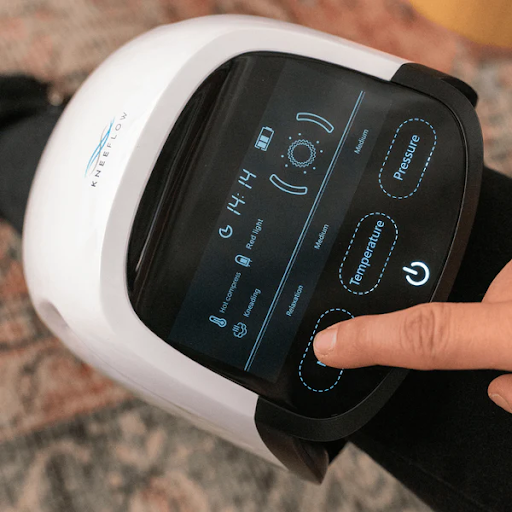
If you’ve ever finished a tough workout and thought, “Yeah, we have definitely feeling that tomorrow,” you’re not alone. Most active people know that soreness isn’t really the problem. It’s the stiffness that shows up afterward. The tight calves. The knees feel a little cranky when you get out of bed. The legs that suddenly seem twice as heavy as they did yesterday. Lately, more people have been turning to recovery tools to deal with that post-workout feeling. One option getting a lot of attention is a knee and leg massager. Some people swear by them. Others think they’re just another fitness gadget. Truth is, the answer falls somewhere in the middle. They aren’t magic. But they aren’t useless either.
Recovery Is Usually the Part Nobody Gets Excited About
Let’s be honest. Most people enjoy the workout part more than the recovery part. Training feels productive. Recovery feels like waiting. The funny thing is that recovery is where most of the important stuff happens. You break muscle tissue down during exercise. Your body repairs it afterward. That’s how progress works. For years, I treated recovery like an afterthought. I’d finish a workout, drink some water, maybe stretch for a minute or two, and move on with my day. Then I’d wonder why my legs felt awful the next morning. A lot of active people do the same thing. We focus on training harder instead of recovering smarter. Eventually, the body starts pushing back.
What a Knee and Leg Massager Actually Does
Some people hear the word “massager” and picture a fancy chair at the mall. That’s not really what we’re talking about here. Most modern knee and leg massage devices use a combination of compression, vibration, heat, or massage functions. Some wrap around the knees. Others cover the calves and thighs too. The goal is pretty straightforward. The device applies pressure and stimulation to the muscles and joints, helping you relax after activity. Many users say their legs feel less tight afterward. Some like the warmth from heat settings. Others enjoy the compression because it creates a feeling similar to what athletes get from recovery boots. Does it instantly erase soreness? No. Anybody telling you that is overselling it. But can it make your legs feel better after a demanding workout? In many cases, yes.
Sometimes Feeling Better Matters More Than People Admit
Fitness culture loves measurable results. Everyone wants numbers. Faster times. More weight lifted. Bigger improvements. Recovery doesn’t always work that way. Sometimes the biggest benefit is simply feeling less beat up. After a long hike last year, my legs felt completely cooked. Not injured. Just tired. Heavy. I didn’t need a miracle treatment. I just wanted my legs to stop feeling like concrete blocks. That’s where massage and compression tools can be surprisingly useful. They help create a sense of relief. Maybe it’s the pressure. Maybe it’s the warmth. Maybe it’s just forcing yourself to sit still for twenty minutes. Whatever the reason, many people report feeling more comfortable afterward. And comfort has value, especially when you’re training consistently.
Finding the Best Knee Massager for Your Needs
Here’s where people sometimes make mistakes. They start searching for the best knee massager and assume there’s one perfect choice for everyone. There isn’t. A runner may want strong compression features. Someone dealing with occasional stiffness might care more about heat settings. A person recovering from intense leg workouts could prefer something that covers both the knees and the surrounding muscles. What works for your friend might do absolutely nothing for you. The smartest approach is to think about what bothers you most after exercise. Is it soreness? Tightness? Stiff joints? General fatigue? Once you know that, choosing a device becomes much easier.
Can It Help You Recover Faster?
This question comes up all the time. The short answer is maybe, but probably not in the way people expect. A knee and leg massager isn’t going to cut your recovery time in half. It won’t turn a brutal leg day into something you completely forget by morning. What it can do is help you manage the recovery process more comfortably. When your legs feel less stiff, you’re often more willing to stay active. You might take that walk. You might stretch a little more. You might feel ready for your next workout sooner simply because you’re moving better. Recovery isn’t always about speeding things up. Sometimes it’s about making the process easier to handle.
The Things No Recovery Device Can Replace
Here’s where I get a little blunt. Some people buy recovery gadgets because they’re looking for shortcuts. There aren’t many shortcuts in fitness. If you’re sleeping five hours a night, eating poorly, and barely drinking water, no massager on earth is going to fix that. Good recovery still comes down to the basics. Sleep matters. Nutrition matters. Hydration matters. Movement matters. Recovery tools should support those habits, not replace them. Think of a knee and leg massager as an extra piece of the puzzle. Helpful? Sure. Essential? Not necessarily.
Who Gets the Most Value From One?
From what I’ve seen, people who place a lot of stress on their lower body tend to appreciate these devices the most. Runners are an obvious example. Cyclists too. Hikers. People who spend long hours standing at work. Even gym-goers who never skip leg day. Age can play a role as well. As people get older, recovery often takes longer than it used to. That’s just reality. Anything that helps reduce stiffness and improve comfort can become pretty appealing when your body doesn’t bounce back quite as fast as it once did. That doesn’t mean everyone needs one. Plenty of people recover perfectly fine without any special equipment.
Conclusion
So, is a knee and leg massager a good option for post-workout recovery? I’d say yes, with realistic expectations. It’s not a miracle device. It’s not going to erase soreness overnight or transform your athletic performance. But it can help your legs feel more relaxed after tough workouts. It can make recovery sessions more comfortable. And sometimes that’s enough to make a noticeable difference in how you feel day to day. If you’re searching for the best knee massager, it’s worth focusing on features that match your recovery needs rather than chasing marketing claims. The truth is, recovery doesn’t have to be complicated. Get enough sleep. Stay hydrated. Eat well. Keep moving. And if a knee and leg massager helps your body feel a little better along the way, there’s nothing wrong with adding it to the routine.