
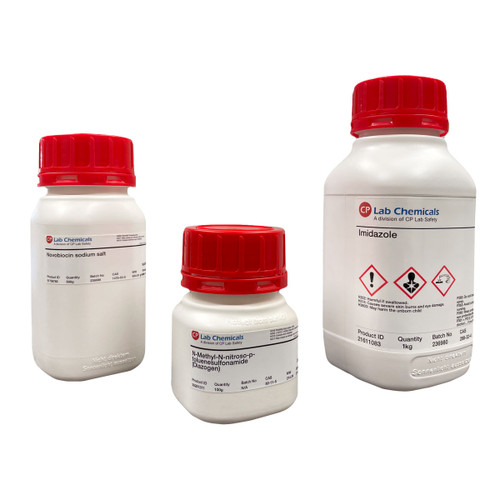
Laboratories use a wide range of chemicals for research, testing, analysis, manufacturing, and educational applications. Among the most commonly used materials are laboratory salts, which play an important role in chemical reactions, sample preparation, analytical procedures, and scientific experiments.
Inorganic salts are a major category of inorganic chemicals and are available in different forms, compositions, and grades. Selecting the appropriate salt for a particular laboratory application is important for obtaining reliable and consistent results.
What Are Laboratory Salts?
Laboratory salts are chemical compounds commonly used in scientific and industrial laboratory applications. Many salts are formed through reactions between acids and bases and consist of positively charged ions and negatively charged ions.
Depending on their chemical composition, laboratory salts can serve different purposes. Some are used as reagents, while others may be used to prepare solutions, adjust pH, support chemical reactions, or perform analytical testing.
The required purity and grade depend on the intended application. Research and analytical laboratories may require high-purity chemicals to minimize impurities that could affect test results.
Understanding Inorganic Salts
Inorganic salts are ionic compounds that generally do not contain carbon-hydrogen bonds characteristic of organic compounds. Common examples include sodium chloride, potassium chloride, calcium chloride, and magnesium sulfate.
These compounds are used across chemistry, biology, environmental testing, pharmaceutical research, manufacturing, and education.
The properties of an inorganic salt depend on its ions and molecular structure. Factors such as solubility, stability, reactivity, and purity determine how the material can be used in laboratory procedures.
Common Types of Laboratory Salts
Laboratories use many different types of salts depending on the application. Some commonly encountered examples include:
Sodium Chloride
Sodium chloride is a widely used inorganic compound. It can be used for preparing laboratory solutions and in various chemical and biological procedures.
Potassium Chloride
Potassium chloride is commonly used in laboratory solution preparation, analytical chemistry, and research applications where potassium ions are required.
Calcium Chloride
Calcium chloride is valued for its high solubility and ability to absorb moisture. It is used in laboratory procedures, chemical preparation, and other applications requiring a calcium-containing compound.
Magnesium Sulfate
Magnesium sulfate is another commonly used inorganic salt. Its applications can vary from laboratory preparation to research and industrial processes.
Sodium Carbonate
Sodium carbonate is frequently used in analytical chemistry and chemical preparation. It can also be used in certain laboratory procedures involving pH adjustment and standard solutions.
Applications of Inorganic Chemicals in Laboratories
Inorganic chemicals are essential across many areas of laboratory work. Their applications depend on their chemical and physical properties.
Common applications include:
- Analytical testing
- Chemical synthesis
- Sample preparation
- Buffer and solution preparation
- pH adjustment
- Research and development
- Educational experiments
- Environmental analysis
- Pharmaceutical research
- Industrial quality control
Because different procedures require different chemical characteristics, laboratories should select chemicals based on their intended use and required specifications.
Importance of Chemical Purity
Purity is an important consideration when purchasing laboratory salts and other inorganic chemicals. Even small amounts of unwanted impurities can potentially affect sensitive analytical procedures.
Laboratory chemicals may be available in different grades, including general laboratory, analytical, reagent, and other specialized grades. The appropriate grade should be selected according to the requirements of the procedure.
For quantitative analysis and research applications, using a chemical with a suitable purity specification can help improve consistency and reproducibility.
Choosing the Right Laboratory Salts
Before purchasing laboratory salts, laboratories should evaluate several factors.
Chemical Composition
Confirm the chemical name, formula, concentration, and composition before ordering. Similar chemical names can refer to different compounds or forms.
Purity and Grade
Choose a grade appropriate for the intended application. High-purity materials may be necessary for analytical or research procedures.
Physical Form
Laboratory salts may be supplied as powders, crystals, granules, or prepared solutions. The appropriate form depends on how the chemical will be used.
Solubility
Solubility can affect how easily a salt can be incorporated into a solution. Consider the solvent, concentration, and temperature requirements of the application.
Storage Requirements
Some chemicals require specific storage conditions to maintain stability and quality. Always follow the supplier’s storage recommendations and safety information.
Safe Handling of Inorganic Salts
Although many inorganic salts are commonly used in laboratories, they should always be handled according to their safety requirements.
Laboratory personnel should review the Safety Data Sheet before using a chemical. Appropriate personal protective equipment, such as gloves, laboratory coats, and eye protection, should be used when required.
Chemicals should also be stored in properly labeled containers and kept away from incompatible materials.
Good laboratory practices are especially important when handling concentrated solutions, reactive compounds, or chemicals that may cause irritation or other hazards.
Laboratory Salts for Research and Testing
Research laboratories often require consistent chemical quality for experiments and analytical procedures. Inorganic salts can be used to prepare reagents, solutions, standards, and reaction mixtures.
In environmental laboratories, salts and other inorganic chemicals may support water, soil, and sample analysis. In pharmaceutical and biotechnology environments, they may be used during research, formulation development, and analytical testing.
Educational laboratories also use common inorganic salts to demonstrate fundamental chemistry concepts, including solubility, precipitation, ion exchange, and chemical reactions.
Benefits of Using Quality Inorganic Chemicals
Using appropriately specified inorganic chemicals can provide several benefits for laboratory operations.
High-quality materials can help support:
- Consistent experimental results
- Reliable analytical testing
- Accurate solution preparation
- Improved laboratory workflow
- Better reproducibility
- Reduced contamination concerns
The chemical should always be selected according to the requirements of the specific application rather than based solely on price.