
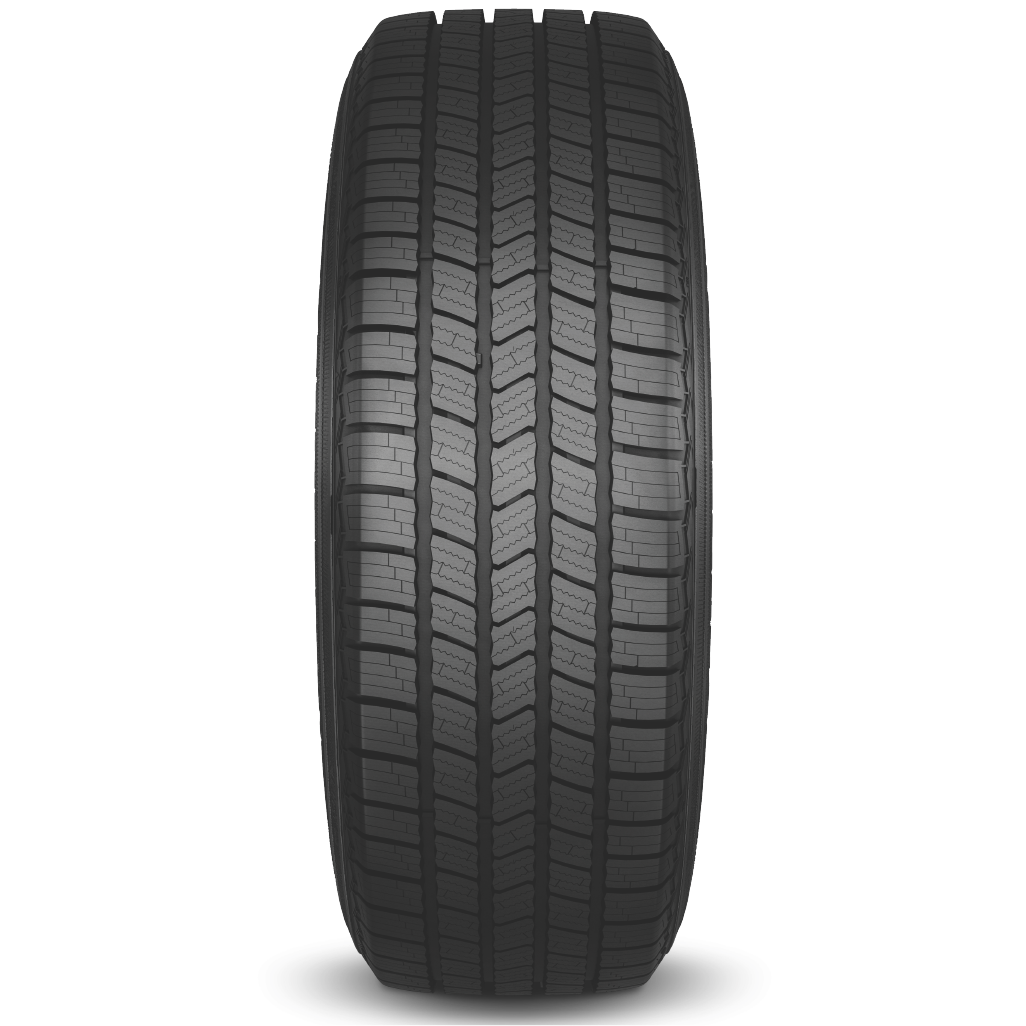
Proper tyre selection and regular vehicle care can make a noticeable difference to driving comfort, handling, and safety. Different tyres are designed for different driving needs, while routine maintenance helps identify potential problems before they become serious. A low profile tyre can offer certain handling and appearance benefits, but it also requires attention to pressure and road conditions. At the same time, a car maintenance checklist can help drivers keep track of essential inspections and servicing tasks. Understanding these uses makes it easier to care for a vehicle throughout its everyday life.

Use of Low-Profile Tyres for Responsive Handling
A low profile tyre has a shorter sidewall compared with a conventional tyre of the same overall diameter. This construction can influence how a vehicle responds to steering inputs.
One of its common uses is supporting a more responsive driving feel.
Potential handling benefits include:
- More direct steering response
- Reduced sidewall movement during cornering
- A firmer road feel
- Greater stability during certain driving conditions
However, tyre performance depends on many factors, including tyre construction, vehicle suspension, road surface, pressure, and driving style.
Low-profile tyres are not automatically better for every driver. Their characteristics should be considered alongside comfort, road conditions, and the vehicle’s recommended specifications.
Use of Low-Profile Tyres for Vehicle Appearance
Tyres also contribute to the overall appearance of a vehicle. A shorter sidewall combined with a larger wheel can create a more sporty or modern visual appearance.
This is one reason some drivers choose a low profile tyre when modifying or upgrading their vehicle.
However, appearance should not be the only consideration. Before changing tyre or wheel sizes, drivers should confirm that the new combination is compatible with the vehicle.
Important factors include:
- Tyre width
- Overall tyre diameter
- Load rating
- Speed rating
- Wheel size
- Clearance around suspension components
Incorrect sizing can affect handling, ride quality, and other vehicle systems.
Use of Low-Profile Tyres for Cornering
The shorter sidewall of a low-profile tyre can reduce sidewall flex during cornering. This can give the driver a more direct steering response.
For drivers who enjoy responsive handling, this characteristic may be useful.
At the same time, there is a trade-off. A shorter sidewall generally provides less cushioning against potholes, bumps, and other road imperfections.
Drivers should consider:
- Typical road quality
- Frequency of highway driving
- Number of potholes on regular routes
- Desired ride comfort
- Wheel and tyre specifications
A tyre that works well on smooth roads may feel different on rough urban roads.
Use of a Maintenance Checklist for Regular Inspections
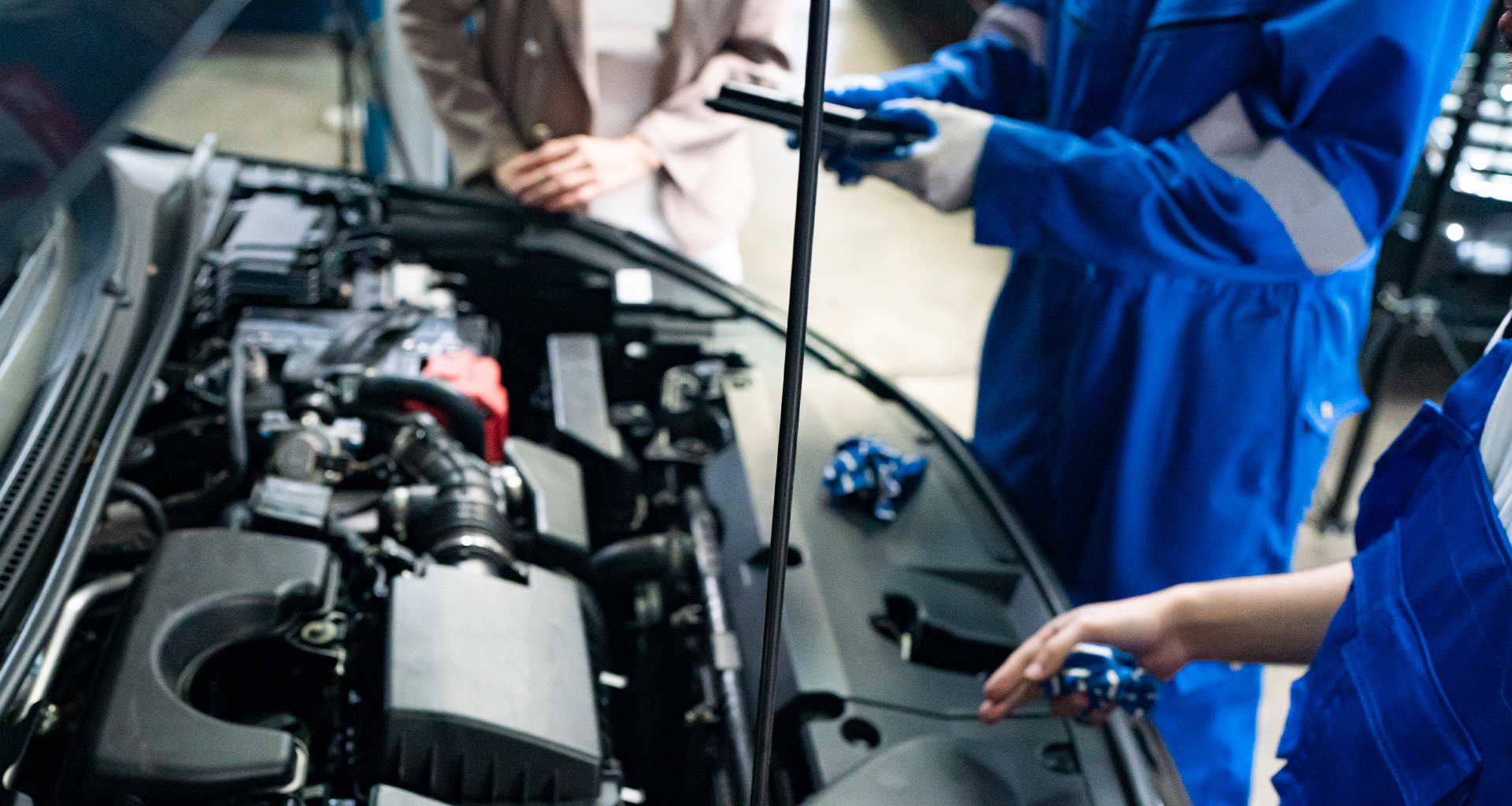
A car maintenance checklist can make routine vehicle care easier because it provides a simple list of things to inspect regularly.
Instead of remembering every maintenance task individually, drivers can use a checklist to keep track of important areas.
Basic checks can include:
- Engine oil level
- Coolant level
- Brake condition
- Tyre pressure
- Tyre tread
- Battery condition
- Lights
- Wipers
- Windshield washer fluid
The exact maintenance schedule depends on the vehicle and its manufacturer’s recommendations.
Use of a Maintenance Checklist for Tyre Care
Tyres are one of the most important areas to include in a car maintenance checklist because they are the vehicle’s main contact with the road.
Regular tyre checks can help identify problems such as:
- Low pressure
- Uneven tread wear
- Cracks
- Cuts
- Bulges
- Embedded objects
- Excessive tread wear
Tyre pressure should be checked according to the vehicle manufacturer’s recommended level. The correct pressure can usually be found in the vehicle’s documentation or on the manufacturer’s recommended information label.
Checking Tyre Pressure Regularly
Incorrect tyre pressure can affect handling, comfort, fuel consumption, and tyre wear.
Underinflated tyres may experience:
- Increased rolling resistance
- Additional heat buildup
- Faster shoulder wear
- Changes in steering response
Overinflated tyres may result in:
- Reduced contact area
- Uneven centre wear
- A firmer ride
- Changes in handling
Drivers should ideally check pressure when the tyres are cold and adjust it according to the recommended specification.
This becomes especially important with low-profile tyres because their shorter sidewalls may provide less visual indication when pressure is low.
Checking Tread and Tyre Condition
Tread condition should be checked regularly. Drivers should look for signs of excessive or uneven wear.
Look for:
- Very shallow tread grooves
- Uneven wear across the tyre
- Exposed or damaged areas
- Cracks between tread blocks
- Sidewall damage
A tyre can have sufficient-looking tread but still have other problems. Therefore, a visual inspection should include the entire tyre rather than only the centre tread.
Use of a Maintenance Checklist Before Long Trips
A checklist becomes particularly useful before a long-distance journey. A few minutes of inspection can help identify basic problems before starting the trip.
Pre-trip checklist
Tyres: Check pressure, tread, and visible damage.
Brakes: Pay attention to unusual sounds or changes in braking response.
Fluids: Check relevant fluid levels according to the vehicle’s requirements.
Lights: Confirm that headlights, indicators, brake lights, and other lights are working.
Wipers: Make sure the blades can clear the windshield properly.
Battery: Look for signs of corrosion or other visible issues.
Emergency equipment: Check the spare tyre and necessary tools if applicable.
Use of Maintenance Checks for Seasonal Changes
Changes in weather and temperature can affect vehicle components. Tyre pressure, for example, can change with temperature.
During seasonal transitions, drivers can inspect:
- Tyre pressure
- Tread condition
- Battery condition
- Coolant level
- Wiper condition
- Air conditioning performance
- Exterior lights
Maintaining a simple record can also help drivers remember when different maintenance tasks were last completed.
Understanding Low-Profile Tyre Maintenance
A low-profile tyre may require additional attention when driving on roads with potholes, sharp edges, or uneven surfaces.
Because the sidewall is shorter, there may be less cushioning between the wheel and road surface.
Drivers should inspect the tyres after a significant impact, particularly if they notice:
- Steering vibration
- Pulling to one side
- A change in handling
- Visible bulges
- Loss of air pressure
- Wheel damage
Continuing to drive without checking after a strong impact can potentially allow a small problem to become more serious.
Checking Wheel Alignment and Balance
Tyre maintenance is connected with wheel alignment and balancing. Incorrect alignment can cause uneven tread wear, while an imbalance may produce vibrations at certain speeds.
Drivers can consider an inspection if they notice:
- Uneven tyre wear
- Steering wheel vibration
- The car pulling to one side
- Steering that does not feel centered
- Repeated tyre wear on one area
Regular checks can help tyres wear more evenly and maintain predictable handling.
Keeping a Maintenance Record
A checklist becomes more useful when it is combined with a basic maintenance record.
Drivers can record:
| Maintenance Item | What to Record |
| Tyre pressure | Date and pressure checked |
| Tyre inspection | Wear or damage noticed |
| Oil service | Date and mileage |
| Brake inspection | Inspection date |
| Battery | Condition and replacement date |
| Alignment | Date of inspection |
This can make it easier to identify patterns and remember upcoming maintenance.
Building a Simple Car Care Routine
A practical maintenance routine does not need to be complicated. Drivers can divide tasks according to frequency.
Weekly or regular checks
- Tyre pressure
- Visible tyre damage
- Lights
- Windshield condition
Monthly checks
- Tread condition
- Fluid levels
- Wiper blades
- Battery appearance
Periodic servicing
- Brake inspection
- Wheel alignment
- Wheel balancing
- Oil and filter service
- Other manufacturer-recommended maintenance
The exact intervals should always follow the vehicle’s maintenance schedule.
Conclusion
Understanding tyre characteristics and maintaining a regular inspection routine can help drivers manage their vehicles more effectively. A low profile tyre can provide responsive handling and a distinctive appearance, but its shorter sidewall makes proper pressure and impact checks particularly important. Meanwhile, a car maintenance checklist helps organize routine inspections, servicing, and tyre care. Vredestein Tyres builds on more than 110 years of European heritage and continues to invest in research, development, and testing. Combining suitable tyres with regular maintenance can support reliable, comfortable, and predictable everyday driving.