
When it comes to HVAC design and installation, getting the details right is crucial for ensuring that your system performs optimally and operates efficiently. One of the standout calculations in this process is the Manual J load calculation. This is especially important for those of us in New Jersey (NJ), where the climate can vary significantly and necessitates customized solutions. Whether you’re a contractor, builder, architect, engineer, or homeowner, having a solid grasp of this calculation can make a real difference in the success of your project.
What is Manual J Calculation?
Manual J is a widely recognized method for figuring out the heating and cooling loads of a residential building. Developed by the Air Conditioning Contractors of America (ACCA), it provides a precise estimate of the heating and cooling needs by taking into account factors like the building’s size, orientation, insulation levels, and local climate conditions. This calculation is vital for selecting the right HVAC equipment, ensuring comfort, and maximizing energy efficiency.
Why Manual J Calculation is Crucial in NJ
New Jersey’s climate is anything but uniform, ranging from hot, sticky summers to frigid, snowy winters. This fluctuation makes accurate Manual J calculations even more critical. By properly assessing what a building needs, contractors and builders can steer clear of common mistakes such as oversizing or undersizing HVAC systems. Such errors can lead to higher energy bills and less comfort in the home.
Key Benefits of Manual J Calculation
Energy Efficiency
When HVAC systems are properly sized, they use less energy, which translates to lower utility bills.
Enhanced Comfort
A well-calculated system ensures that temperatures are consistent throughout the home, banishing those annoying hot and cold spots.
Longevity of Equipment
Preventing oversized systems helps reduce wear and tear, ultimately extending the life of your HVAC equipment.
Compliance with Building Codes
Many municipalities in NJ require Manual J calculations for issuing building permits, making it essential for staying compliant.
How to Perform a Manual J Calculation
Conducting a Manual J calculation is a detailed process that involves a few important steps. While it can seem a bit daunting, just understanding the basics can help you appreciate why professional expertise is so valuable in this area.
Gathering Data
Start by collecting information on the home’s dimensions, orientation, insulation, window types, and local climate conditions.
Calculating Heat Loss and Gain
Next, calculate how much heat the building loses during the winter and gains during the summer, taking into consideration factors like ventilation and air leaks.
Equipment Selection
Finally, use the calculated load to choose appropriately sized HVAC equipment that meets the specific needs of the home.
For those in NJ who are looking for professional help, ManualJExpress offers specialized services that ensure precise calculations tailored to local conditions.
The Role of Manual D Duct Design and REScheck Services
While Manual J focuses on load calculations, it’s also vital to consider duct design and energy code compliance in the overall HVAC system design.
Manual D Duct Design
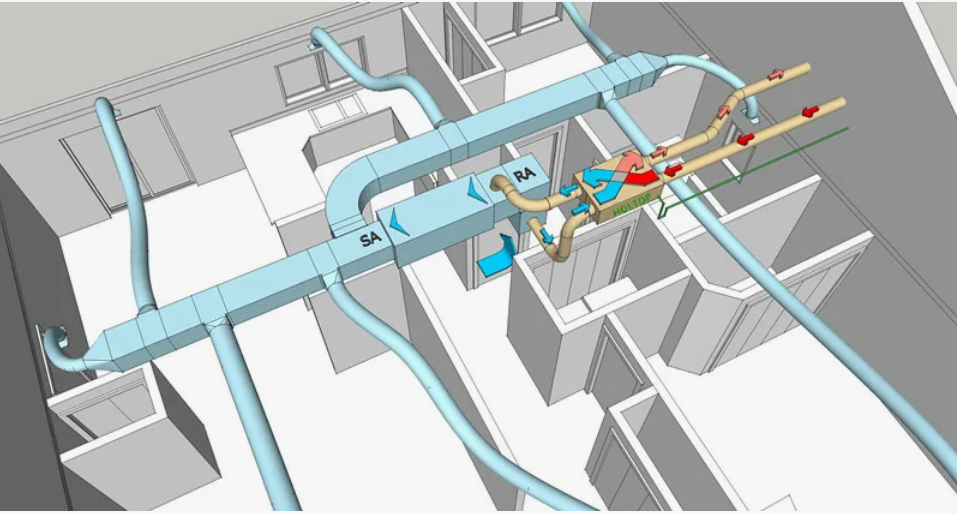
Ductwork is just as important as the HVAC equipment itself. Manual D offers guidelines for designing duct systems that effectively deliver conditioned air throughout your home. Good duct design minimizes energy loss and boosts overall system performance.
REScheck Services
For builders and architects, compliance with energy codes is crucial. REScheck is a tool used to ensure that projects meet energy efficiency requirements, which are often mandatory for building permits in NJ. By incorporating REScheck services, you can give clients peace of mind about their project’s compliance with local codes while potentially speeding up the permit process.
Tips for Contractors and Homeowners
Hire Qualified Professionals
Given the intricacies of Manual J calculations and the importance of accurate results, it’s wise to bring in experienced professionals.
Regularly Update Calculations
As building codes and climate conditions evolve, keeping your Manual J calculations up-to-date is essential for maintaining compliance and efficiency.
Consider Future Needs
When planning HVAC systems, think ahead about any potential changes or expansions that could affect heating and cooling requirements.
Future Trends in HVAC Design and Energy Efficiency
As technology keeps advancing, the HVAC industry is continually changing. Here are a few trends to keep an eye on:
Smart HVAC Systems
More and more, we’re seeing smart technology integrated for better control and monitoring of heating and cooling systems.
Renewable Energy Integration
There’s a growing interest in bringing renewable energy sources like solar into the mix with HVAC systems for a more sustainable lifestyle.
Advanced Insulation Materials
The use of innovative materials is on the rise, helping to improve a home’s thermal envelope and reduce load requirements.
Additional Benefits of Accurate HVAC Load Calculations
Reduced Operating Costs
Properly sized HVAC systems consume less energy, helping homeowners lower monthly utility expenses over time.
Improved Indoor Air Quality
Balanced airflow and accurate system sizing contribute to healthier indoor environments with better humidity control and ventilation.
Better System Reliability
Correct calculations help prevent excessive strain on HVAC equipment, reducing the likelihood of breakdowns and costly repairs.
Common Mistakes to Avoid During HVAC Planning
Ignoring Duct Efficiency
Poor duct design can reduce overall system performance, even when HVAC equipment is correctly sized.
Using Generic Estimates
Relying on rough estimates instead of professional Manual J calculations may lead to oversized or undersized systems.
Overlooking Home Upgrades
Renovations such as new windows, insulation upgrades, or room additions can significantly affect heating and cooling requirements.
Conclusion
Understanding and implementing Manual J calculations in NJ is incredibly important for anyone involved in residential construction and renovation. It not only promotes comfort and energy efficiency but also ensures compliance with local building codes. By embracing professional services and staying updated on industry trends, both contractors and homeowners can achieve outstanding results in their projects. If you’re in need of expert guidance, platforms like ManualJExpress.com are invaluable resources to help navigate these complex requirements.