
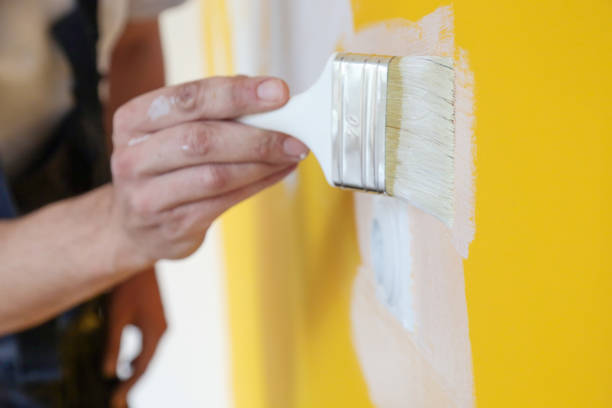
Walk into any paint aisle and you’ll see rows of brushes that all kind of look the same at a glance. But they’re not. Not even close. Somewhere between the bargain bin and the top shelf, there’s a real gap in quality, and yeah, it shows the moment you start painting. If you’ve ever browsed paint brushes for sale and thought, “why is this one triple the price?” — fair question. The answer isn’t branding fluff or fancy packaging. It’s performance. It’s how the brush feels in your hand, how it holds paint, how it lays it down. And more importantly, how long it lasts before it turns into a frayed mess.
What “Professional Grade” Actually Means
A “professional grade” brush isn’t just a label someone slapped on to charge more. It’s built differently. The bristles (or filaments, technically) are higher quality, more consistent, and shaped with intention. They’re flagged at the tips, meaning they split slightly to hold more paint and release it smoother. Cheap brushes? They dump paint, streak, and leave lines you’ll spend twice the time fixing. A pro-grade brush, it kind of glides. Not perfectly, but noticeably better. That’s the difference you’re paying for.
Bristle Material Matters More Than You Think
Here’s where people mess up a lot. They grab whatever’s cheapest without thinking about the type of paint they’re using. Natural bristles work great with oil-based paints. They hold more, flex nicely. But throw them in water-based paint and they go limp, lose shape fast. Synthetic bristles, usually nylon or polyester blends, are what most pros reach for now. They keep their stiffness, handle moisture, and give cleaner lines. It’s not complicated, but it does matter. A lot.
Handle Design Isn’t Just About Comfort
You’d think the handle is just… a handle. But nope. On a professional brush, it’s balanced. Feels right when you hold it for hours. The cheaper ones tend to feel off, either too light or weirdly bulky. And over time, that actually slows you down. Also, pro brushes usually have better ferrules (that metal band holding everything together). They’re tighter. Less wobble. Less shedding. Because yeah, nothing kills momentum like pulling stray bristles out of fresh paint.
Paint Pickup and Release — The Real Test
This is where you really notice the difference. A professional-grade brush holds more paint without dripping everywhere. Then it releases it evenly. Not all at once. Not in patches. It’s controlled. That means fewer dips back into the bucket and smoother coverage overall. With lower-quality brushes, you end up working harder. Reloading constantly. Fixing uneven spots. It’s frustrating, honestly. And it adds up, especially on bigger jobs.
Durability Isn’t Just a Bonus — It’s the Point
A cheap brush might get you through one project. Maybe two if you baby it. But a professional one, if you clean it properly, can last a long time. Like, years sometimes. The bristles keep their shape. The handle doesn’t crack. The ferrule stays tight. So yeah, upfront cost is higher, but you’re not replacing it every other weekend. In the long run, it usually evens out. Or better.
Cutting In and Precision Work
Edges tell the truth. You can have great paint, great walls, but if your cut-in lines look shaky, it shows. Professional brushes are shaped for control, especially angled ones. They let you get into corners, along trim, around fixtures without making a mess. That precision comes from the bristle quality and how they’re tapered. It’s subtle. But once you use one, going back feels… rough.
Not Every Job Needs a Premium Brush
Let’s be real for a second. Not every project needs top-tier tools. If you’re doing rough work, like priming drywall or slapping on a quick coat in a storage room, a basic brush is fine. That’s where something like a 3 in chip brush actually makes sense. It’s cheap, disposable, gets the job done without you worrying about cleanup. But that’s kind of the point — you’re using it because you don’t expect precision. Or longevity.
Price vs Value — Where People Get It Wrong
A lot of people focus only on price. They see two brushes, pick the cheaper one, and call it a win. But then they spend more time painting, more paint fixing mistakes, and eventually more money replacing tools. A professional-grade brush isn’t about being fancy. It’s about efficiency. Less effort. Better finish. Fewer headaches. That’s the real value. Not just the number on the tag.
Conclusion
So what makes a paint brush “professional grade”? It’s not one thing. It’s everything working together — better bristles, smarter design, solid construction, and consistent performance. You feel it pretty quickly once you start using one. And yeah, once you get used to it, it’s hard to go back. If you paint often, or even just care about how your work turns out, it’s worth paying attention to what you’re holding in your hand. Because in the end, the brush does more of the work than people like to admit.