
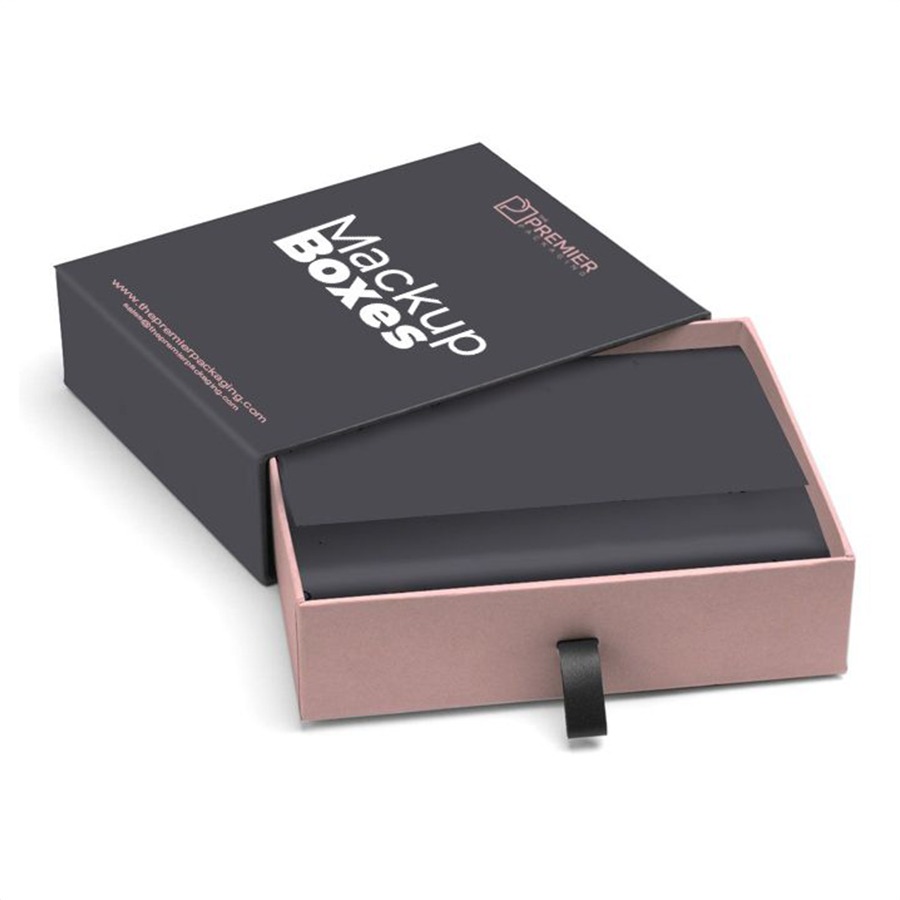
Picture two parcels arriving on the same doorstep. One is a plain brown carton with a label slapped on the side. The other is a clean, sturdy box with a considered finish, the brand’s mark pressed neatly into the lid, tissue folded inside. Same product, possibly. Wildly different first impression. That difference, in a sentence, is what boutique boxes are all about and why so many London brands have started taking their packaging seriously. This is a clear, no-jargon look at what actually sets boutique boxes apart.
It starts with how it feels in the hand
Before anyone reads a logo, they feel the box. Weight, rigidity, the texture of the board, how cleanly the lid lifts these register in a fraction of a second. Boutique boxes are built around that moment.
Where mass-produced packaging cuts corners on materials, the boutique approach leans into heavier rigid board, proper finishes, and construction that holds its shape. The result isn’t just prettier. It signals care, and customers read that signal instantly, whether or not they could put it into words.
Customization is the real headline
Here’s the part that genuinely separates boutique boxes from off-the-shelf packaging: almost everything can be made to fit the brand rather than the other way round.
That covers a long list:
- Size and shape cut precisely to the product, so nothing rattles around
- Brand colours matched properly, not approximated
- Finishes like matte or gloss lamination, soft-touch coatings, foil stamping, embossing or debossing
- Inserts and dividers that present the product like it’s being unveiled
- Printed interiors, ribbons, magnetic closures, the small touches people notice
A generic box asks your product to fit it. A boutique box is shaped around your product and your brand. For anyone selling something they’re proud of, that distinction does a lot of quiet work.
Why London, specifically
London’s pull here isn’t an accident. The city packs an unusual density of small luxury brands, independent makers, beauty and jewellery labels, and direct-to-consumer businesses exactly the kind of companies for whom presentation is part of the product.
That demand has grown a local ecosystem of suppliers who understand fast turnarounds, smaller bespoke runs, and the design-led expectations of brands competing for attention. Being close to your packaging supplier also makes the practical stuff easier: samples, proofs, and tweaks happen quicker when you’re not shipping prototypes across borders.
Sustainability has become a real differentiator
A few years ago eco-friendly packaging was a nice-to-have. Now it’s often the deciding factor, and good boutique box makers have moved with it.
That shows up as recyclable and recycled board, plastic-free finishes, soy or water-based inks, and right-sizing so you’re not shipping air and waste. The clever part is that sustainable and premium are no longer at odds. A beautifully made recyclable box can feel every bit as considered as a glossy plastic-laden one arguably more so, because customers increasingly clock the difference and respect it.
The branding payoff most people underestimate
Packaging isn’t just protection; it’s the one piece of marketing a customer physically holds, keeps, and sometimes films. The rise of the “unboxing” moment turned the humble box into content. A well-designed boutique box gets photographed, shared, and reused free reach that a brown carton will never earn you.
Even quietly, a consistent, well-made box builds recognition. Open enough of them and the brand starts to feel established, trustworthy, worth the price. That perception is hard to buy any other way for the cost of good packaging.
Ordering at scale without losing the quality
A fair worry: does “boutique” mean tiny quantities and painful prices? Not necessarily. Plenty of London suppliers bridge the gap between bespoke craft and sensible volume, so growing brands aren’t forced to choose between looking good and ordering enough.
If you’re scaling up, sourcing boutique gift boxes wholesale is usually where the math starts to work per-unit costs drop, finishes stay consistent across the whole run, and you’re not reordering every fortnight. The trick is finding a supplier who keeps the quality and customization intact at higher quantities, rather than quietly cheapening the spec as the numbers climb.
How to judge a good one?
If you’re shopping around, a few honest tests help: Ask for a physical sample before committing photos flatter everything, and you need to feel the board. Check the construction at the corners and the lid, where cheap boxes give themselves away. Look at how they handle your brand colors and finishes on a proof, not just a screen mockup. And pay attention to how they communicate; a supplier who’s responsive and clear about timelines and costs early tends to stay that way.
Final Words
Boutique boxes stand out because they treat packaging as part of the product rather than an afterthought. The hallmarks are quality materials you can feel, deep customization built around the brand, increasingly thoughtful sustainability, and a real branding payoff in how customers perceive and share what they receive. London’s concentration of design-led, premium small brands has made it a natural home for this kind of work and for suppliers who can deliver it well.
If your product is something people should feel good about receiving, the box is doing more for you than you might think. Choose it accordingly.