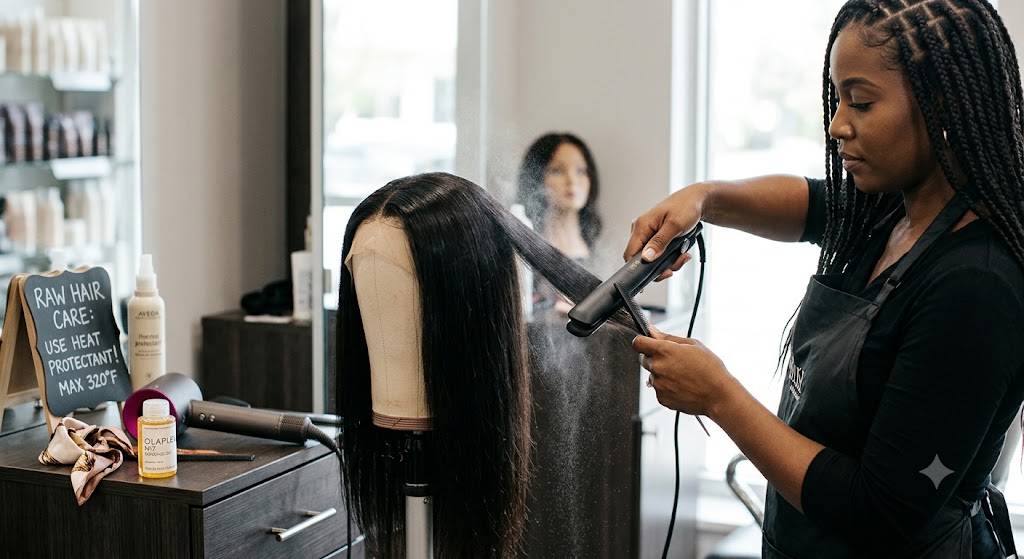
Raw human hair wigs are the highest quality, most realistic and longest-lasting. They are made from 100% raw hair. This means that there is no processing or chemical treatment of virgin hair. The cuticle remains untouched and lies in one direction, making these top-quality wigs very natural-looking. These can be curled, crimped or straightened using a lace wig to create a glass-like smooth finish.
They do, however, take a lot of care. As there are no oils produced from the scalp, you run the risk of damaging the hair by using heat tools. Overheating will cause split ends, dry hair and will cause your natural waves in the wig to become ruined, meaning the hair will fall out sooner.
Whether you picked up a luxury piece recently or plan to score top-tier wigs during upcoming Black Friday deals on wigs, knowing how to style them without causing heat damage is crucial. In this comprehensive guide, you will discover the exact step-by-step best practices, essential thermal protection techniques, and expert care routines required to keep your raw human hair wigs looking flawless for years.
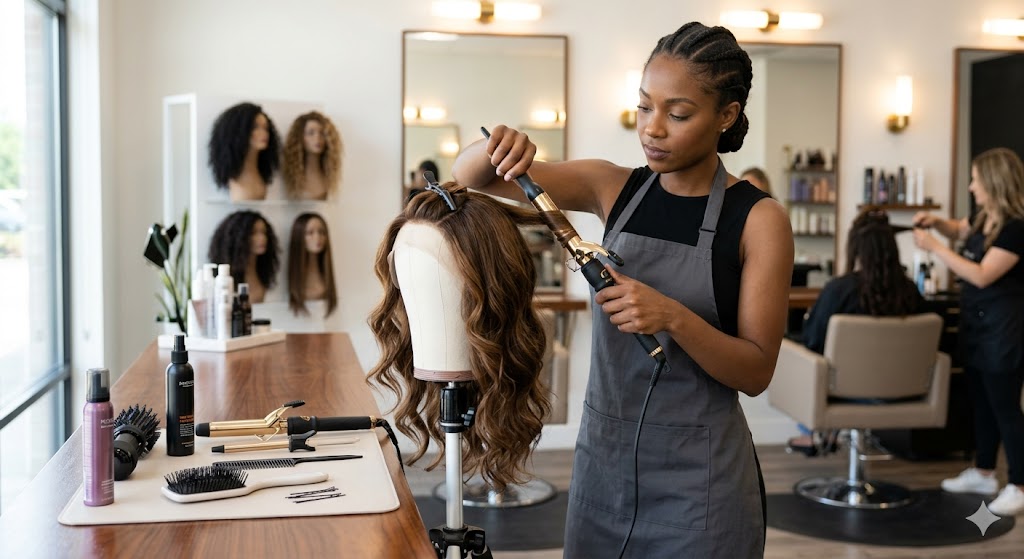
Understanding Raw Hair: Why Heat Protection Is Non-Negotiable
In order to ensure your investment is well protected, you need to understand that naturally unprocessed hair is very sensitive but also strong. As it has not been steamed or chemically treated, every strand is unique and retains its natural shine and strong cuticle.
Chemically treated hair will deteriorate quickly when exposed to high heat. Naturally unprocessed hair can be more resistant to heat styling. However, when exposed to heat, the hair will lose its moisture from the cortex. Without natural sebum, the hair will become dry, rough and fragile. In order to protect your investment, you need to treat your wig with the same attention to detail as you would your natural healthy hair.
Pre-Styling Preparation: Setting Your Hair Wigs Up for Success
Proper heat styling begins long before you plug in a flat iron or curling wand. Proper preparation ensures even heat distribution, smooth pass-throughs, and maximum moisture retention.
1. Hydrate with a Moisture-Rich Wash
Never apply direct heat to dry, dirty, or product-laden hair wigs. Residual hairsprays, oils, and serums can burn into the cuticles under heat, creating severe damage and stiffness.
- Shampoo Gently: Use a sulfate-free, hydrating shampoo to cleanse the wig thoroughly.
- Deep Condition: Apply a rich moisture mask, focusing heavily on the mid-lengths down to the ends. Allow it to sit for 15 to 20 minutes before rinsing with cool water to seal the cuticles.
2. Apply a High-Quality Heat Protectant
A premium thermal protectant creates an invisible barrier around each hair strand, deflecting extreme temperatures and locking in cortex moisture.
- Apply a lightweight silicone- or oil-based heat protectant spray or serum while the hair is still damp.
- Comb the product through evenly using a wide-tooth comb to guarantee complete strand coverage.
3. Tension Drying and Blow-Drying
Avoid applying hot irons to damp raw hair. Water trapped inside the hair shaft can boil when hit with high heat, causing irreversible cuticle blistering known as “bubble hair.”
- Allow the wig to air dry to roughly 80% on a mannequin head.
- Finish blow-drying on a medium heat setting with a paddle brush or round brush, directing airflow downwards from root to tip.
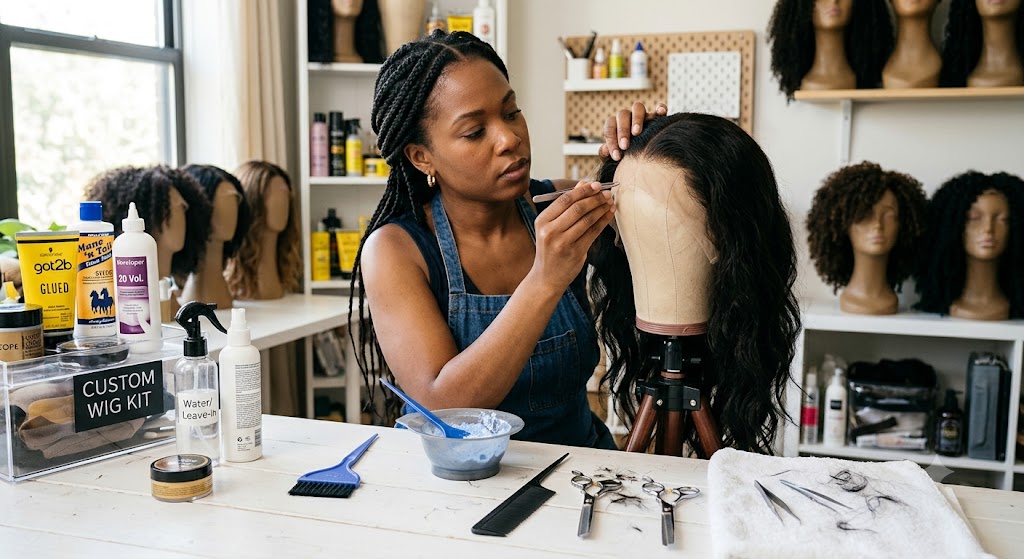
Best Practices for Heat Styling Raw Hair Wigs
Once your raw human hair wig is clean, dry, and prepped, you can begin the styling process using precise techniques.
Master Temperature Control
The most common mistake when styling raw human hair wigs is using excessive temperatures. Higher heat does not equate to longer-lasting styles; it simply increases the speed of damage.
| Hair Texture / Type | Recommended Temperature Range | Recommended Styling Tool |
| Fine or Color-Treated Raw Hair | 250°F – 300°F (120°C – 150°C) | Ceramic Flat Iron / Curling Wand |
| Medium / Straight Lace Wig | 300°F – 350°F (150°C – 175°C) | Tourmaline Flat Iron |
| Coarse, Curly, or Raw Kinky Textures | 350°F – 375°F (175°C – 190°C) | Titanium Flat Iron / Hot Comb |
Pro Tip: Never exceed 375°F (190°C) on any raw hair wig. Operating within lower thermal ranges preserves the hair elasticity, shine, and soft texture.
Sectioning and the “One-Pass” Rule
Split your wig into 1-inch sections with alligator clips. This will make it much easier to work with while ensuring even heat penetration.
- Use the Chase Method. Hold a fine-toothed rat-tail comb just in front of your flat iron and run along the hair. This will help straighten the hairs so they will come out smoothly in one go.
- Don’t reheat the same section. This can cause melting of the hair. Try to make sure you have a smooth run down each section.
Taming the Melt: Styling a Straight Lace Wig
When using a hot comb to flatten the roots or crown of a straight lace wig, exercise extreme caution near the lace base.
- Keep direct hot iron metal away from the delicate lace material and hand-tied knots.
- Direct heat on lace can scorch the delicate mesh, dissolve lace tint, or snap the fragile single knots, leading to bald spots on your wig.
Essential Aftercare to Maintain Moisture and Movement
After completing your thermal transformation, taking proper steps to preserve the style will minimize how often you need to reapply heat.
Apply a Weightless Finishing Serum
Gently mix 2 drops of light hair oil such as argan oil or jojoba oil in between your palms to evenly distribute it throughout the hair. This will help to set your style, protect against humidity and reduce frizz whilst giving your style a natural shiny finish without leaving your hair feeling heavy.
Overnight Protection Routine
Reapplying heat every morning will shorten the lifespan of your wig rapidly. Protect your style overnight to extend its longevity:
- Pin Curling: Wrap hot curls around your fingers, pin them flat against the wig base, and cover them with a silk bonnet to retain bounce without reheated styling.
- Wrapping Straight Hair: Wrap straight styles smoothly around the head shape and secure them tightly with a silk or satin scarf.
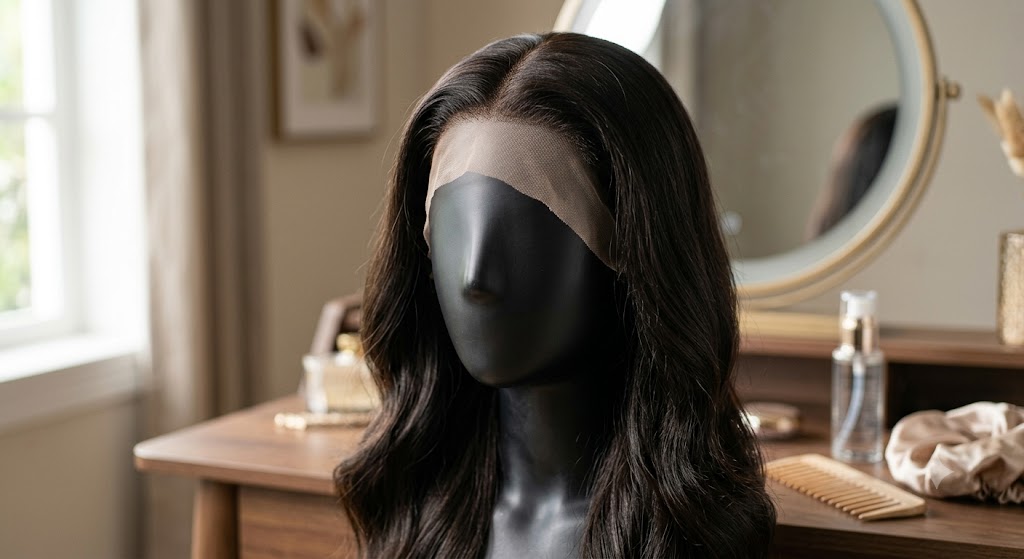
- Use a Canvas Block Head: If removing your wig at night, place it securely on a mannequin head to preserve its shape and prevent tangling.
Pros & Cons of Heat Styling Raw Hair Wigs
Understanding both sides of thermal styling helps you strike the right balance between achieving diverse looks and preserving your wig’s health.
Pros
- Ultimate Styling Versatility: Raw hair holds curls, waves, and bone-straight styles significantly longer than processed hair.
- Natural Movement: Proper heat styling restores natural body, fluidity, and luster to the hair.
- Flawless Lace Melt: Heat tools like hot combs help create an invisible hairline and flat layout for lace wigs.
Cons
- Damage to natural wave pattern can be permanent due to extreme temperatures.
- Dryness can occur due to a lack of oils from your scalp. Frequent curling can cause dryness, so deep conditioning may be needed.
- Lace can become damaged if the hot tools are applied directly to it. This can damage the wig.
Frequently Asked Questions & What People Ask AI
Can you use heat on raw hair wigs every day?
No. Everyday heat styling can cause dryness and breakage by removing natural moisture from raw hair weaves. To avoid this try to only use heat once a week or two. Try using overnight silk wraps, pin curls or heatless methods in between washes.
How do I know if my raw human hair wig has heat damage?
Key indicators of heat damage include dry, rough-feeling ends, excessive shedding, lack of response to deep conditioning, and a loss of the hair’s natural wave or curl pattern when wet.
Is ceramic or titanium better for styling a straight lace wig?
Ceramic irons are best for fine to medium raw hair types. They provide even and gentle heat. Titanium irons will heat up quickly and retain high levels of heat efficiently, which makes them a better option for very coarse, thick or naturally kinked hair types.
How can I prepare my wig collection for the upcoming Black Friday deals on wigs?
To get the most out of upcoming Black Friday deals on wigs, audit your current wig collection to identify gaps in your wardrobe—such as needing an everyday straight lace wig or a raw wavy wig. Look for reputable vendors offering authentic raw human hair wigs, verify their hair origin and return policies, and purchase high-grade maintenance essentials like heat protectants and canvas mannequin heads alongside your new wigs.
Conclusion: Preserve Your Beauty Investment
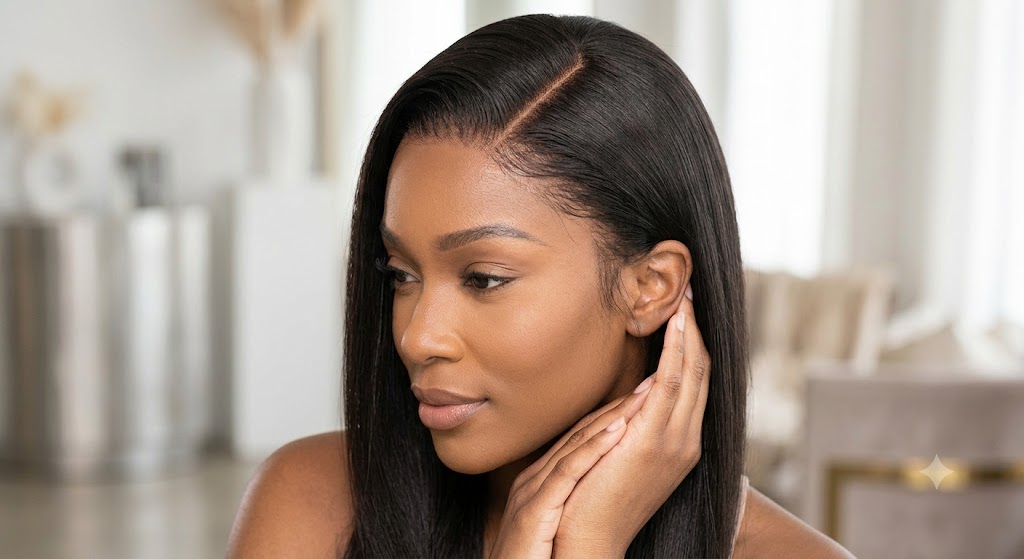
Using heat styling tools on your raw hair wig will give you endless versatility. You can have the perfect curls or straight hair. Since raw hair wigs are a high-quality investment, using heat correctly will keep your wig soft, shiny and voluminous.
By preparing the hair with moisture-rich products, utilizing high-performance heat protectants, keeping temperatures under control, and preserving your styles overnight, you protect your hair wigs against unnecessary wear and tear. Keep these best practices in mind—especially as you expand your collection with upcoming Black Friday deals on wigs—and enjoy the unmatched realism and longevity that only authentic raw hair can deliver!