
Among functional fitness athletes, a few pieces of equipment have a reputation that arrives before the workout even starts. Two that come up often in conversations about tough training days are the glute ham developer and the fan-driven bike.
Both machines look simple, yet both can challenge experienced athletes within minutes. That is a big part of why coaches include them in programs. For many athletes, early frustration gradually turns into respect as their strength and conditioning improve.
What Makes the Glute Ham Developer So Demanding
A GHD machine locks the feet in place and supports the hips or thighs on a padded bolster. That setup allows the body to move through ranges of hip and knee motion that are hard to reach with floor exercises. On many machines, the foot plate and pad position can be adjusted so athletes of different heights can find a comfortable setup.
The GHD sit-up is a well-known example. Athletes lower their torso back past parallel, then use the abdominals and hip flexors to return upright. The glute ham raise is also demanding, since the hamstrings work to move the body from a nearly horizontal position. Back extensions and hip extensions add further options for training the lower back and glutes without a barbell.
This variety helps explain why the machine is a common sight in many functional fitness gyms.
Why the Fan Bike Never Seems to Get Easier
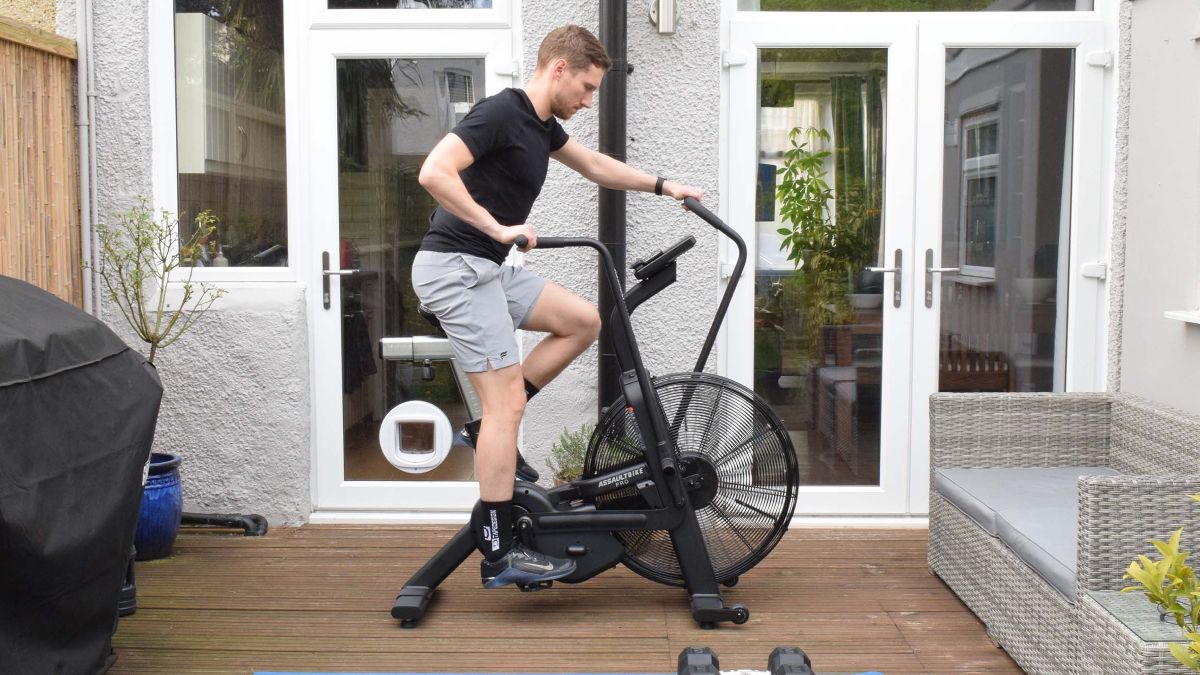
The assault bike relies on air resistance. As the pedals and handles move faster, the fan creates more resistance, so the challenge rises with the effort. This means the same bike can work for beginners and experienced athletes alike.
That design leaves little room to coast. As fitness improves, athletes are simply able to produce more output. Because the arms and legs work together, the effort is spread across the whole body rather than one muscle group.
Workouts often use calorie targets on these bikes, and even short efforts can leave athletes breathing hard afterward.
Many athletes also use the bike for longer, steady efforts. A 15- to 20-minute session at a moderate pace offers conditioning without the impact of running, which makes it a useful option on days when the legs feel tired.
Common Mistakes on Both Machines
Some of the difficulty associated with these machines comes from avoidable errors. Coaches often watch for the following:
- Doing too many GHD sit-ups too soon: High volume early on can lead to significant soreness, so beginners often start with small sets.
- Overarching on back extensions: Many coaches cue athletes to finish in a straight line rather than arching the lower back.
- Setting the foot plate incorrectly: If the knees rest on the pad during glute ham raises, the hamstrings cannot do their job. A quick adjustment before each set can make a noticeable difference.
- Sprinting the first ten seconds on the bike: Starting all out can lead to a sharp drop in output before an interval ends. A hard but sustainable pace often works better.
- Ignoring the handles: Pushing and pulling with the arms shares the effort across more muscle.
Programming the Two Together
A common approach pairs a posterior chain block on the GHD machine with short conditioning intervals afterward. The strength work comes first, while athletes are still fresh enough to control each rep.
One example might include three sets of glute ham raises followed by eight 20-second sprints on the assault bike, with 40 seconds of easy pedaling between efforts. The whole block fits into roughly 20 minutes.
On lighter days, the order can flip, with a few easy minutes of pedaling as a warm-up followed by back extensions for accessory work. Two or three sessions a week is a reasonable starting point for many athletes.
Coaches typically adjust sets, reps, and interval lengths based on each athlete’s experience and recovery.
Making Peace With Two Demanding Machines
The glute ham developer and the air bike have earned their tough reputations. They highlight weak links, expose poor pacing, and reward consistent effort. With sensible volume and proper setup, both can become valuable parts of a well-rounded training program. Starting conservatively and building volume over several weeks is a practical approach for newer athletes.
Gyms, coaches, and home athletes looking to add a GHD machine, an assault bike, or other conditioning and strength equipment can turn to Freedom Fitness Equipment for new and used options, with nationwide shipping and local pickup available.
For More Articles Visit: https://regic.net/