
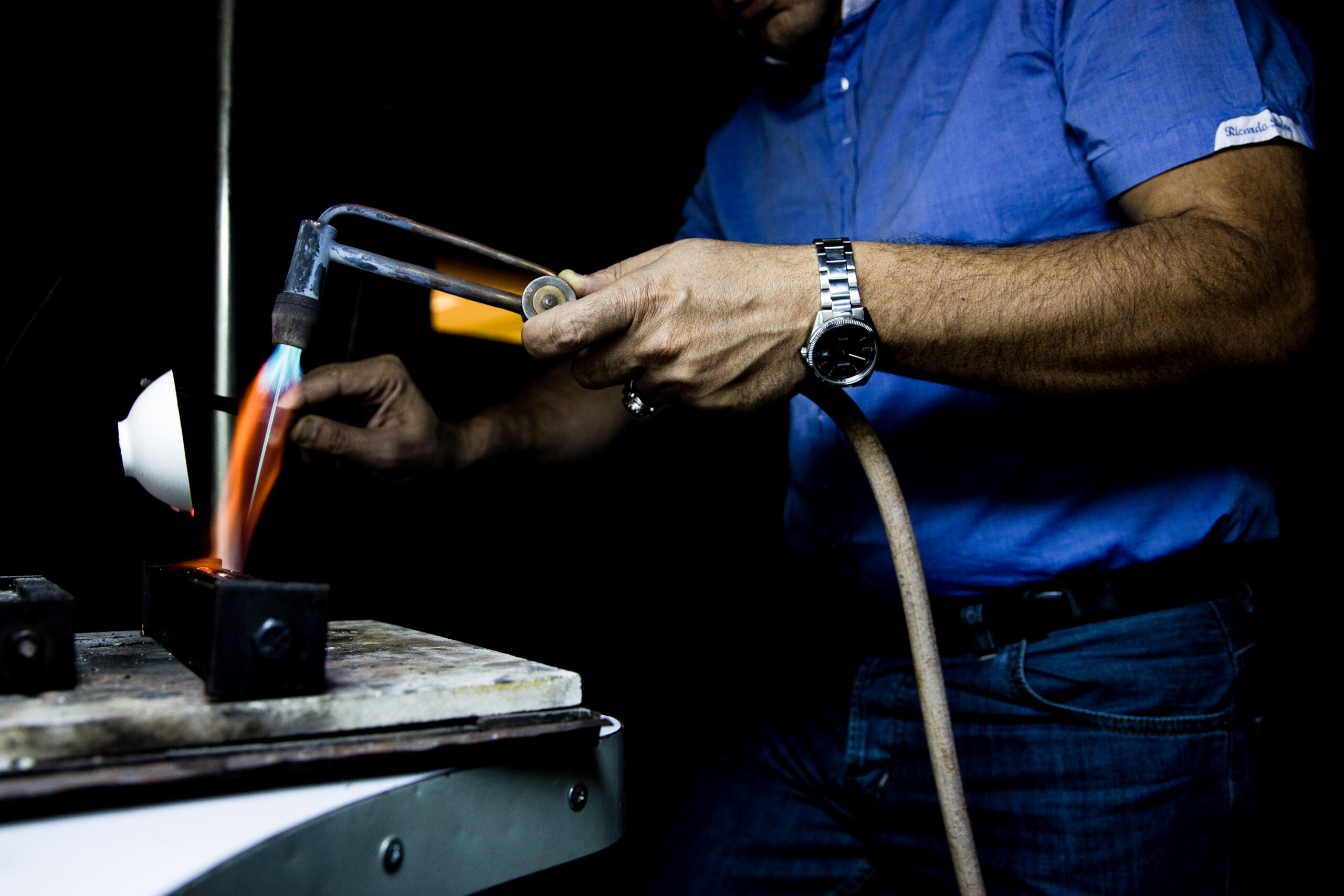
Hot air plastic welding is a widely used technique in industrial plastic fabrication, valued for its reliability, versatility, and cost-effectiveness. This method joins thermoplastic materials by heating both the base material and a plastic welding rod with controlled hot air, allowing them to fuse into a strong, uniform bond. Industries such as chemical processing, manufacturing, construction, water treatment, and equipment fabrication rely on hot air plastic welding for both production and repair applications.
Understanding the benefits of hot air plastic welding helps manufacturers and engineers select the right joining method for durable, long-lasting plastic components.
Strong and Durable Welds
One of the primary benefits of hot air plastic welding is the strength of the weld joint. When performed correctly, the welded seam becomes nearly as strong as the base thermoplastic material itself. Because the plastic is fused at a molecular level rather than bonded with adhesives or fasteners, the joint offers excellent mechanical integrity.
This strength makes hot air plastic welding ideal for applications involving structural components, tanks, ducts, enclosures, and fabricated plastic assemblies that must withstand continuous use.
Excellent Chemical and Corrosion Resistance
Hot air plastic welding is commonly used with thermoplastics such as PVC, CPVC, polypropylene, polyethylene, and PVDF. These materials are known for their high resistance to chemicals, moisture, and corrosion.
Since the weld does not introduce foreign materials like glues or metal fasteners, the finished joint maintains the same chemical resistance as the base plastic. This makes hot air plastic welding especially suitable for chemical handling systems, wastewater treatment equipment, and industrial environments exposed to aggressive substances.
Cost-Effective Fabrication and Repair
Compared to many alternative joining methods, hot air plastic welding is highly cost-effective. The equipment required is relatively simple, portable, and affordable. There is no need for expensive molds, tooling, or consumables beyond the welding rod.
Additionally, this welding method is excellent for on-site repairs, reducing downtime and eliminating the need to replace entire plastic components. Repairs can often be performed quickly without dismantling large systems, saving both time and operational costs.
Versatility Across Applications and Materials
Hot air plastic welding is a versatile process that works across a wide range of thermoplastic materials and component sizes. It is commonly used for:
- Plastic tanks and containers
- Ventilation ducts and fume exhaust systems
- Plastic linings and panels
- Industrial enclosures and housings
- Custom-fabricated plastic structures
This adaptability makes it a preferred choice for custom plastic fabrication projects where parts vary in size, thickness, or design complexity.
Ideal for Large and Thick Plastic Components
Unlike some high-precision welding methods that are better suited for small parts, hot air plastic welding excels with large, thick, or heavy plastic components. The controlled heat penetration allows welders to build strong seams on thicker materials that require deeper fusion.
This benefit is particularly valuable in industries that fabricate large-scale plastic equipment, such as storage tanks, scrubbers, and industrial process systems.
Portable and Field-Friendly Process
Another major advantage of hot air plastic welding is its portability. Welding tools can be easily transported to job sites, making this method suitable for field installations and repairs.
Whether working in a manufacturing facility, construction site, or industrial plant, technicians can perform hot air plastic welding without needing a controlled factory environment. This flexibility supports faster project completion and reduced system downtime.
Environmentally Friendly Joining Method
Hot air plastic welding is considered an environmentally friendly fabrication method. It does not rely on solvents, adhesives, or chemical bonding agents that may release harmful emissions.
Additionally, thermoplastics can often be reworked or recycled, and repairs extend the service life of plastic components, reducing material waste and replacement frequency
Consistent Weld Quality with Skilled Application
When performed by trained technicians, hot air plastic welding delivers consistent and repeatable weld quality. Controlled temperature, airflow, and welding speed ensure uniform seams with minimal defects.
This consistency is important for industrial applications where weld failure could lead to leaks, contamination, or system shutdowns.https://regic.net/
Final Thoughts
Hot air plastic welding remains a reliable and efficient solution for joining thermoplastic materials in demanding industrial environments. Its ability to produce strong, chemical-resistant, and long-lasting welds makes it an essential technique for both custom fabrication and on-site repairs. The versatility of this process allows manufacturers to work with large, thick, or complex plastic components while maintaining consistent quality and performance.
FAQs
- What is hot air plastic welding?
It is a process that joins thermoplastics using heated air and a plastic welding rod. - Which plastics can be hot air welded?
PVC, CPVC, polypropylene, polyethylene, and PVDF are commonly used. - Is hot air plastic welding strong?
Yes, properly welded joints can be nearly as strong as the base material. - Can hot air plastic welding be used for repairs?
Yes, it is widely used for on-site plastic repairs. - Is hot air plastic welding cost-effective?
Yes, it requires minimal equipment and reduces replacement costs. - Is this method suitable for large components?
Yes, it works well for large and thick plastic structures. - Does hot air plastic welding use adhesives?
No, it relies solely on heat and compatible filler material. - Is hot air plastic welding environmentally friendly?
Yes, it avoids solvents and extends component lifespan. - Can hot air welding be done on-site?
Yes, the equipment is portable and field-friendly. - Which industries use hot air plastic welding?
Chemical processing, manufacturing, water treatment, and construction industries.