
In the fast-paced world of digital retail, site speed isn’t just a technical metric—it directly drives revenue. A delay of even a single second in page loading can lead to lower conversion rates, abandoned shopping carts, and frustrated customers who jump straight to a competitor.
For years, Adobe Commerce (formerly Magento) was considered the gold standard for enterprise e-commerce due to its robust open-source flexibility. However, many growing merchants now find themselves trapped under the weight of bloated code, costly hosting infrastructure, complex security patches, and sluggish performance.
Brand owners shifting from Magento to Shopify store is a major concern nowadays that demand the flexibility ofspeed, simplicity and sustainable business growth. In this article, you will get more to know about; how platform architecture affect store performance?why technically no traffic bottlenecks in Saas cloud based solutions;why streamlined sites result in a greater conversion rates; andwhat to anticipate throughout your site migration.
The Invisible Performance Demands of Legacy, Open- Source Store Designs
There might be considerable operational expenses in getting maximum advantage of the customization features for the existing Magenstore, it has become a fact for every modern store. Because Magenstore is a self-hosted service it mostly relies on correct configurations for your servers, smooth database transactions, and compatible third-party plug-ins.
Over years of using open-source software it leads to debt on technical aspects; with each plug-in, custom script, or even database query a new burden is added. When your catalog enlarges or seasonal shopping gets boosted up, self-hosted websites will be unable to display content in lesser time. The common open-source speed related technical issues are as follows;
- High server response times (i.e., slower TTFB because of long time spent when queries run over databases).
- High overhead maintenance, keeping the servers, their securities patched and extensions at desired level requires effort from the developers all the time, and complicated configurations for caching which must cope with sale event demand otherwise store speed will drop dramatically.
Why shifting on to Shopify provides an instant speed improvement?

Once you shift on to new generation completely managed commerce platform you will gain significant shift in your store’s web traffic behavior & page deliveries that;
1. Cloud Hosting with Global Content Distribution
Shopify uses world class content distribution system run through gigantic, natively-built cloud system and rather than focusing on a sole leased/virtual server the cache assets delivered on websites which will reach customers’ browser using a geographically nearest edge server. So it will be super-fast for the New Yorkers, the Londoners, or for the citizens dwelling across Tokyo to surf.
2. Smooth Operations Eliminating Back End Databases
Each time and each time while website load your entire transaction database will be browsed on the platform of your store. Shopify shifts the processing burden on its managed hosting framework where all the commands directed toward database query are perfectly optimized for commerce transaction so for instance there will be no delay if 2 million users are shopping during a viral deal or on Cyber Monday.
3. Leading Web Design Elements for Agencies
When big brands redesign their web page they always look toward high end advertising agency websites. They adopt layouts characterized by minimalist design, interaction elements, micro-transactions, visual elements etc. Modern SaaS services allow developers to implement those fluid, narrative driven designs with little code. So when agency caliber UI/UX combines with a sleek Saas backend you’ll have extremely speedy pages along with pleasing visual elements for the merchant.
Performance and Operational Benefits vs. Platform Trade-Offs
When you move up your commerce engine you benefit from huge performance increases, but it’s important to understand the operational trade-offs when deciding how that move actually happens.
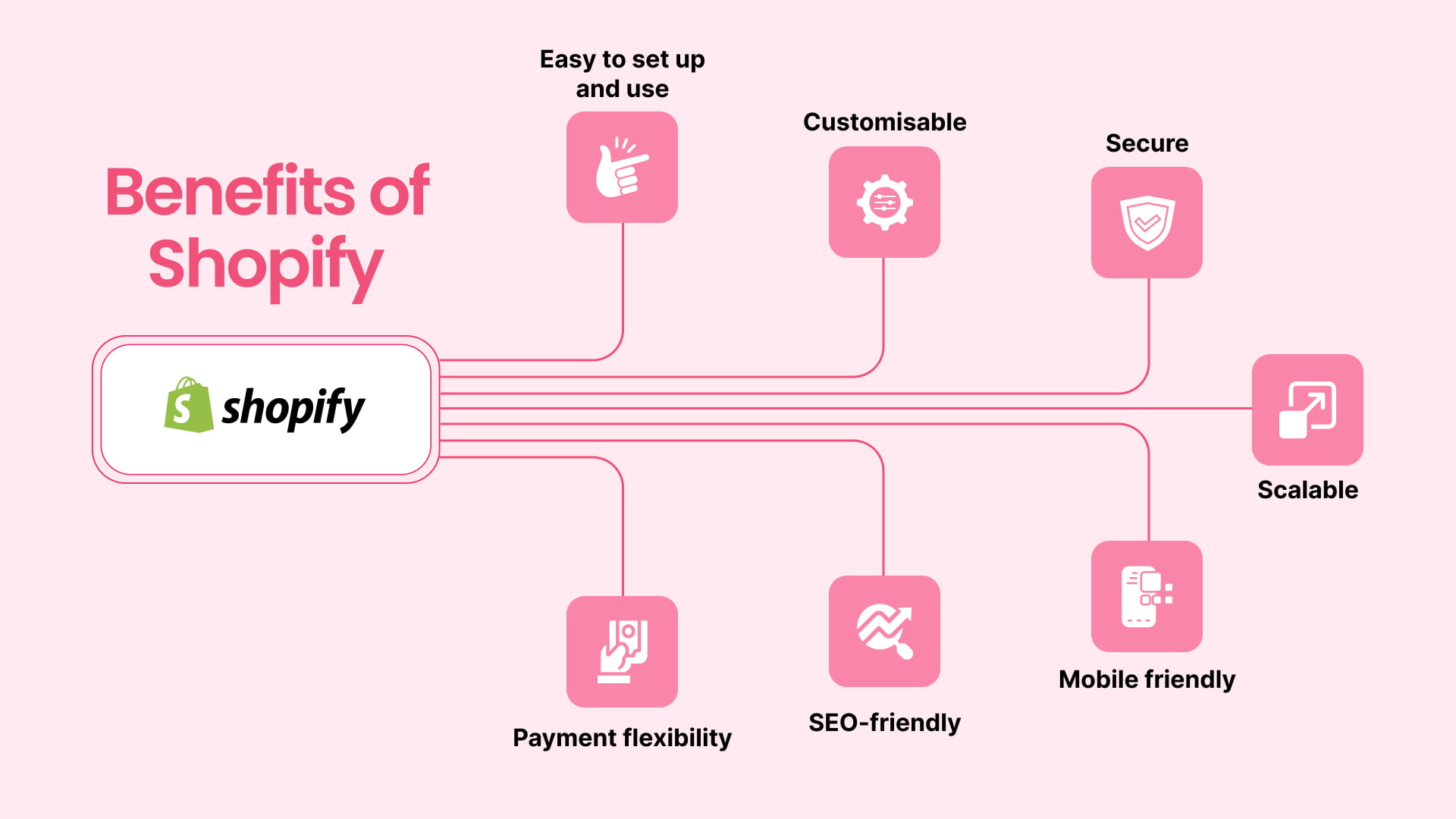
The Major Advantages:
- Dramatically Less Technical Debt– No more emergency server updates, midnight security patching, broken plugin dependencies.
- Better Core Web Vitals– Increased load times and faster visual rendering not only pass the Google ranking tests but also keep mobile users happily engaged with your site.
- Predictable Total Cost of Ownership– Hosting, security, core platform updates are combined into consistent monthly operating costs versus hourly charges for developers to patch.
Key considerations during the transition:
- Data Migration Complexity– How is order history, customer accounts, product options (variations, selectors), and SEO redirect maps migrated?
- Custom Code Re-architecture– How are existing PHP custom modules made redundant and built anew using a modern API, Liquid templating, or headless front-end.
FAQ on re-platforming
Will migrating platforms hurt Google search results?
It absolutely will not if planned appropriately; migrating the data in such a way includes the correct mapping of all past urls to current urls using 301 redirects while preserving your Meta descriptions/titles and submitting new XML site maps. In fact you can expect an improvement in organic searches if the speed difference is detected early in the indexing of the new faster site.
How does site speed directly impact e-commerce conversion rates?
You won’t find that shoppers today want to wait any amount of time for a slow site; according to nearly all data it is understood that sites with load times of under two seconds bring in and retain the highest numbers of sales through thecheckout funnel.
Is Shopify adequate for large-volume multi-store and/or high-volume B2B operations?
Shopify’s high-level editions can accommodate for custom pricing tiers and wholesale customers, localized language packs, multi-expansion stores, currency switching and a unified administration panel.
Get your speed back-Get your growth back
The growth for your store isn’t about maintaining an old broken engine and trying to constantly fix server issues, modern cloud solutions should solve the technical problems for you as they are an integrated platform and not two separate things. Moving from magento to shopify not only gets rid of server management headaches but also incredibly improves site speed, and user experience which translates to repeat business and larger, more frequent purchases.