
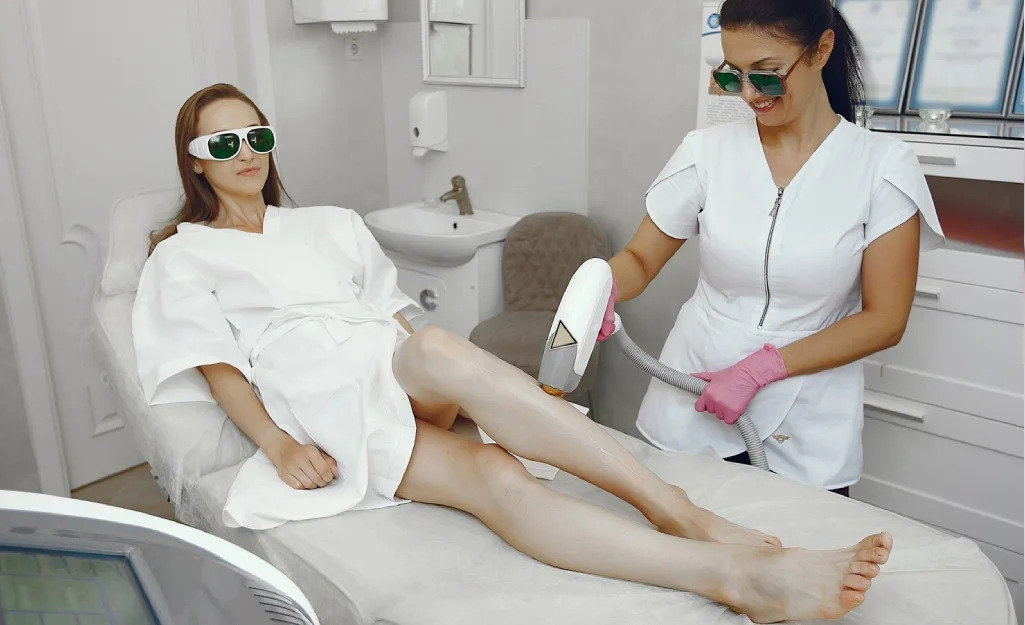
Laser hair removal has become a popular choice for people who want to reduce unwanted hair and simplify their grooming routine. However, many people with dark Indian skin tones worry about burns, pigmentation, or other side effects. The good news is that laser hair removal can be safe and effective for darker skin when the right technology, settings, and medical expertise are used.
At Dermaworld Clinic, understanding your skin type and choosing an appropriate treatment approach are essential steps towards safer hair reduction. If you are considering Laser Hair Removal in Delhi, learning how the procedure works for darker skin can help you make an informed decision.
How Does Laser Hair Removal Work?
Laser hair removal uses concentrated light energy that is absorbed by melanin, the pigment present in hair. The energy travels down the hair shaft and heats the hair follicle, helping reduce its ability to produce new hair.
Because the laser targets pigment, darker skin requires careful treatment planning. The skin also contains melanin, which can absorb some of the laser energy. Using unsuitable equipment or excessive energy may increase the risk of burns, irritation, or changes in skin pigmentation.
A qualified professional assesses your skin tone, hair colour, treatment area, and medical history before recommending the appropriate laser and settings.
Is Laser Hair Removal Safe for Dark Indian Skin?
Yes, laser hair removal can be suitable for dark Indian skin. However, safety depends on selecting the correct device, adjusting the treatment parameters, and ensuring that the procedure is performed by a trained professional.
People with darker skin tones often benefit from lasers designed to reach hair follicles while limiting excessive heating of the surrounding skin.
Which Laser Technology Is Suitable for Dark Skin?
Two commonly discussed options are:
- Nd Laser
The long-pulsed 1064 nm Nd laser is often preferred for darker skin tones because its wavelength penetrates deeper into the skin and is less strongly absorbed by epidermal melanin than shorter wavelengths. This can reduce the risk of pigment-related complications when appropriate settings are used.
- Diode Laser
Diode lasers can also be suitable for some Indian skin tones. Their suitability depends on the specific device, wavelength, cooling system, and treatment settings. An experienced professional should assess whether a diode laser is appropriate for your skin and hair type.
No single laser is ideal for everyone. The right choice depends on an individual assessment rather than skin tone alone.
Benefits of Laser Hair Removal for Dark Skin
When properly performed, laser hair removal offers several potential benefits:
- Long-term hair reduction: Multiple sessions can significantly reduce unwanted hair growth.
- Less frequent shaving: Reduced hair growth may make regular grooming easier.
- Fewer ingrown hairs: It can help people who experience ingrown hairs from shaving or waxing.
- Smoother-looking skin: Reduced hair and fewer shaving-related bumps may improve the appearance of the treated area.
- Convenience: Once the treatment course is complete, occasional maintenance sessions may be sufficient for some individuals.
Laser hair removal is generally described as long-term hair reduction rather than guaranteed permanent hair removal. Results vary depending on hormonal factors, hair characteristics, and the treatment plan.
What Are the Possible Side Effects?
Temporary redness, mild swelling around hair follicles, and a warm or sensitive feeling are common after treatment. These effects usually settle within a short period.
Less common but more significant risks include burns, blistering, scarring, and changes in skin pigmentation. Darker skin can be more vulnerable to post-inflammatory hyperpigmentation or lighter patches if treatment is not properly adjusted.
To reduce these risks, choose a clinic that evaluates your skin carefully, uses appropriate equipment, follows hygiene protocols, and provides clear aftercare instructions. A test spot may be recommended before treating a larger area, particularly if you have a history of pigmentation or sensitive skin.
How to Prepare for Laser Hair Removal
Preparation plays an important role in treatment safety and results. Follow the instructions provided by your treating professional.
- Avoid tanning: Minimise sun exposure and avoid tanning products before treatment as advised.
- Shave the treatment area: Shaving is commonly recommended shortly before a session, while waxing and plucking should generally be avoided because they remove the hair root.
- Share your medical history: Inform the clinician about medications, skin conditions, recent procedures, and any history of keloids or pigmentation problems.
- Discuss your expectations: Ask how many sessions may be needed, what results are realistic, and whether maintenance treatments may be required.
- Follow skin-care guidance: Your clinician may advise you to pause certain irritating products around the treatment period.
How Many Sessions Are Needed?
Hair grows in different cycles, and laser treatment is most effective when hairs are in the appropriate growth phase. Therefore, several sessions spaced weeks apart are usually required.
The number of sessions depends on the treatment area, hair thickness, hair colour, hormonal influences, and individual response. Some people may also need occasional maintenance sessions to manage regrowth.
After treatment, protect the area from excessive sun exposure and use broad-spectrum sunscreen on exposed skin as recommended by your clinician. Avoid picking or scratching irritated skin.
Choosing the Right Clinic for Laser Hair Removal
Selecting an experienced provider is especially important for darker Indian skin. If you are searching for a Permanent Hair Removal Clinic in Delhi, look for qualified professionals who understand different skin types and can explain the benefits and limitations of the procedure.
Before starting treatment, ask about the laser technology being used, the provider’s experience with darker skin tones, the need for a test spot, and how potential complications are managed. A consultation should also include an assessment of your skin and hair, rather than a one-size-fits-all treatment plan.
At Dermaworld Clinic, patients can discuss their hair reduction goals and understand the factors that influence treatment suitability. Personalised assessment and appropriate aftercare are essential parts of a responsible treatment plan.
Conclusion
Laser hair removal can be a suitable option for people with dark Indian skin when the treatment is carefully tailored to their needs. Choosing appropriate laser technology, using safe settings, and following professional advice can help reduce the risk of complications while improving the chances of successful hair reduction.
If you are considering Laser Hair Removal in Delhi, consult a qualified professional to evaluate your skin type and discuss the most appropriate approach. With the right assessment and realistic expectations, you can make a more confident decision about your hair removal journey.