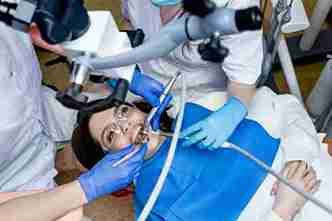
Dental implants have revolutionised the way missing teeth are replaced, offering a stable, long-term solution that mimics the function and appearance of natural teeth. However, in cases of severe upper jaw (maxillary) bone loss, conventional implants may not provide sufficient support. This challenge led to the development of zygomatic implants, which anchor into the dense cheekbone rather than the maxilla. Remarkably, advances in dental surgery now allow some of these complex procedures to be performed under local anaesthesia, providing a less invasive alternative to traditional general anaesthesia. Understanding how these implants work, the technical considerations involved, and the benefits of local anaesthesia is essential for patients and dental professionals seeking optimal outcomes.
Understanding Zygomatic Implants
Zygomatic implants are longer than conventional implants and are anchored in the zygomatic bone, bypassing areas of insufficient upper jawbone. This makes them particularly useful for patients with severe bone resorption, those who have previously lost teeth due to trauma or periodontal disease, or patients who are not ideal candidates for bone grafting.
Comparison of Conventional vs Zygomatic Implants:
| Feature | Conventional Implant | Zygomatic Implant |
| Length | 10–15 mm | 30–55 mm |
| Bone Requirement | Adequate maxilla | Can bypass maxillary deficiency |
| Surgical Complexity | Moderate | High |
| Ideal for | Standard edentulous cases | Severe maxillary atrophy |
For patients considering Dental Implant Edinburgh, zygomatic implants offer a predictable, durable solution when traditional methods may fail. Their placement requires careful planning, as the implant must pass through soft tissue and sinus cavities to achieve stable anchorage in the zygomatic bone.
Advantages of Using Local Anaesthesia
Performing zygomatic implants under local anaesthesia offers several advantages for both patients and clinicians. While general anaesthesia has traditionally been used due to the complexity of the procedure, local anaesthesia reduces risks and enhances recovery.
Key benefits include:
- Reduced systemic risks: Patients with underlying health conditions face fewer complications under local anaesthesia.
- Shorter recovery times: Without general sedation, patients often experience quicker post-operative recovery.
- Patient feedback during surgery: Remaining conscious allows the surgeon to adjust the procedure if the patient reports discomfort.
- Cost-effective and accessible: Local anaesthesia reduces the need for specialised operating theatres and anaesthetist oversight.
These benefits make zygomatic implants a more viable option for medically compromised patients or those seeking a less intensive surgical experience.

Step-by-Step Procedure
Placing zygomatic implants under local anaesthesia involves meticulous planning and precise execution. The process typically includes the following stages:
- Initial Consultation: Comprehensive oral examination and imaging using CBCT scans to evaluate bone quality and anatomy.
- Surgical Planning: Determining implant angulation, length, and position to avoid sinus cavities and optimise load distribution.
- Administration of Local Anaesthesia: Targeted nerve blocks to numb surgical areas without affecting consciousness.
- Incision and Exposure: Careful soft tissue management to access the residual maxillary ridge.
- Pilot Drilling: Creating a channel through the residual maxilla into the zygomatic bone.
- Implant Placement: Securing the zygomatic implant while monitoring stability and angulation.
- Suturing and Post-Operative Care: Closing the surgical site and providing instructions for recovery.
Surgical Tips for Optimal Outcomes:
- Use surgical guides or templates for precise implant placement.
- Irrigate generously during drilling to prevent bone overheating.
- Monitor sinus membrane integrity to minimise complications.
Patients considering zygomatic dental implants Edinburgh often benefit from this precision-focused approach, as it ensures long-term stability even in complex anatomical scenarios.
Risks and Complications
Although zygomatic implants are highly successful, certain risks must be considered:
- Sinus complications: Improper angulation may cause sinus perforation or infection.
- Nerve irritation: Rare cases may result in temporary numbness or tingling.
- Infection: Poor post-operative hygiene can lead to peri-implantitis.
- Implant failure: Although uncommon, insufficient bone integration or mechanical overload can compromise success.
Minimising Risks:
- Detailed pre-operative imaging and planning
- Experienced surgical execution
- Post-operative monitoring and follow-up
Post-Operative Care and Recovery
Recovery following zygomatic implants under local anaesthesia is generally smooth but requires diligence to ensure optimal healing. Key post-operative recommendations include:
- Pain management: Mild analgesics as prescribed by the dentist.
- Oral hygiene: Gentle cleaning around the surgical site using soft brushes and antiseptic rinses.
- Dietary considerations: Soft, nutrient-rich foods for the first few weeks.
- Follow-up appointments: Regular monitoring to ensure proper osseointegration and implant stability.
Additional Tips:
- Avoid heavy lifting or vigorous exercise in the first week.
- Report persistent swelling, unusual pain, or bleeding immediately.
Proper adherence to these guidelines improves the chances of long-term success and reduces complications.
Clinical Outcomes and Success Rates
Zygomatic implants, when placed correctly, demonstrate excellent clinical outcomes. Studies report success rates exceeding 95%, even in cases of severe maxillary atrophy. Benefits include:
- Immediate restoration of oral function
- Preservation of jawbone structure
- Long-lasting, aesthetically pleasing results
- Minimal need for bone grafting procedures
Patients who maintain excellent oral hygiene and attend regular dental check-ups experience durable outcomes, making these implants a reliable solution for complex cases.
Who Can Benefit Most?
Zygomatic implants are particularly suited for:
- Patients with severe upper jaw bone loss
- Those unable or unwilling to undergo bone grafting
- Individuals seeking immediate functional rehabilitation with minimal surgical burden
Contraindications:
- Active sinus infections or chronic sinusitis
- Severe uncontrolled systemic conditions
- Insufficient zygomatic bone for anchorage
By carefully selecting suitable candidates, clinicians can ensure predictable outcomes while minimising risks.

Innovations and Future Considerations
Recent technological advancements have improved the predictability and safety of zygomatic implants:
- Digital planning software: Allows precise implant positioning and angle determination.
- CAD/CAM-guided surgical templates: Reduce human error during placement.
- Immediate loading protocols: Enable temporary prostheses during the healing phase.
For patients considering dental implant Edinburgh, these innovations enhance surgical precision and patient comfort, making complex restorations more accessible.
Conclusion
Zygomatic implants using local anaesthesia represent a remarkable evolution in dental implantology, providing reliable, durable solutions for patients with significant maxillary bone loss. By combining careful pre-operative planning, advanced imaging, and meticulous surgical technique, clinicians can achieve excellent functional and aesthetic outcomes with minimal patient discomfort. For patients considering Zygomatic Dental Implants, understanding the procedure, risks, and aftercare is essential. Clinics such as Smilo Dental Implant Edinburgh prioritise patient-centred approaches, ensuring long-term success and confident, healthy smiles.