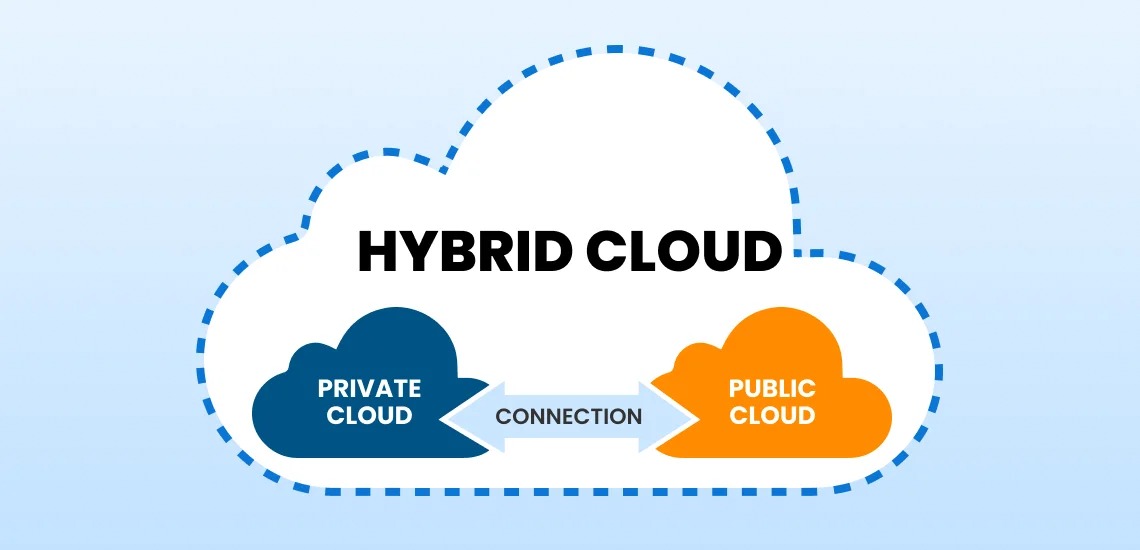
Many businesses want faster IT results without breaking what already works. Teams want better speed, better control, and lower costs simultaneously. Hybrid cloud supports this need in a practical way. It connects on-site systems with cloud services. This mix creates balance.
According to a report, 72% of companies now use a hybrid cloud setup.
This illustrates the rapid growth in adoption. The shift often feels quick because teams do not start from zero. They improve what they already have. Small changes bring early wins. Systems feel lighter and easier to manage.
Costs feel clearer, and security feels stronger. This creates real momentum. Hybrid cloud does not rely on big, risky moves. It relies on smart steps that add value fast. That is why many IT leaders feel a great change in a short time.
Read on to see how hybrid cloud can reshape your IT strategy faster than expected and deliver real results in a short time.
Why Hybrid Cloud Brings Fast Visible Change
Hybrid cloud creates progress without heavy disruption. Teams keep core systems in place. They connect them to cloud tools only where needed. This saves time and effort.
IT teams move workloads in stages. Each stage delivers value. This builds confidence and trust. As a result, change feels fast and smooth. Hybrid cloud also works for businesses of all sizes, and small teams gain flexibility. Large teams gain scale. Everyone gains control.
Key reasons results appear quickly include:
- Existing systems stay active.
- Cloud tools add speed on demand.
- No full rebuild is required.
- Teams improve step by step.
How Hybrid Cloud Simplifies Daily IT Tasks
Daily IT work becomes easier with a hybrid cloud. Teams manage fewer issues. Systems stay more stable. Heavy tasks run in the cloud. Sensitive data stays on-site. This balance reduces strain. IT staff spend less time fixing problems. They spend more time planning growth. Productivity rises naturally.
Hybrid Cloud Improves Speed Without Disruption
Speed improves when systems work together. Hybrid cloud allows this balance. On-site systems handle steady work. Cloud systems handle spikes. Teams control where each app runs. They test before scaling. This avoids surprises. Faster response times support users better. Workflows feel smoother. Downtime drops.
Speed benefits include:
- Fast scaling during demand peaks.
- Stable base performance.
- Better load handling.
- Consistent user experience.
Smart Scaling Becomes Easier With Hybrid Cloud
Scaling no longer feels risky. Teams scale only what needs growth. Cloud resources expand during busy times. Costs drop when demand falls. This keeps spending under control. Planning improves as teams understand usage patterns. Decisions become data-driven.
Hybrid Cloud Creates Clear Cost Control
Hybrid cloud improves cost visibility early. Teams see where money goes. They adjust quickly. Hardware spending drops. Teams avoid buying extra capacity, as cloud costs align with actual usage. Migration costs stay low because moves happen in phases. Each phase delivers clear value.
Cost benefits include:
- Reduced hardware investment.
- Pay only for cloud use.
- Predictable budgets
- Transparent cost tracking
Budget Planning Feels More Stable
Hybrid cloud shows clear cost patterns. Leaders see what runs where. This supports better planning. Teams invest with confidence. Unexpected costs decline. Financial control improves over time.
Hybrid Cloud Strengthens Security Confidence
Security stays strong with a hybrid cloud. Sensitive data remains on-site. Public workloads move to the cloud. Cloud platforms offer advanced protection tools. Teams use them without losing control. Monitoring improves across systems. Threat response speeds up.
Security gains include:
- Local control of critical data.
- Strong cloud security features.
- Better system visibility.
- Faster threat handling.
Trust Grows Across the Organization
Stable, secure systems build trust. Leaders see fewer incidents. Users feel safe. This trust supports future IT changes. Teams move forward with less resistance.
Hybrid Cloud Supports Long-Term Growth
Hybrid cloud adapts as businesses grow. New tools fit easily. Old systems still deliver value. Teams add apps without major disruption. Expansion feels smoother. The IT strategy stays flexible and ready.
Growth support includes:
- Easy system expansion.
- Support for modern tools.
- Balanced long-term planning.
- Smooth upgrades
IT Teams Stay Ready for the Future
Hybrid cloud keeps options open. Teams avoid lock-in. New technologies integrate more easily. Data tools and automation fit well. IT strategies remain strong and flexible.
Conclusion
Hybrid cloud creates fast, meaningful improvement for IT teams. The shift starts quickly because teams build on what they already have. Systems gain speed and balance. Costs become clearer. Security stays strong. Growth becomes easier to manage.
While true transformation takes planning, hybrid cloud removes many barriers early. It delivers steady progress that feels fast. For many businesses this approach creates real momentum. Hybrid cloud supports today’s needs and future goals together. This balance makes it a powerful driver for modern IT strategy.