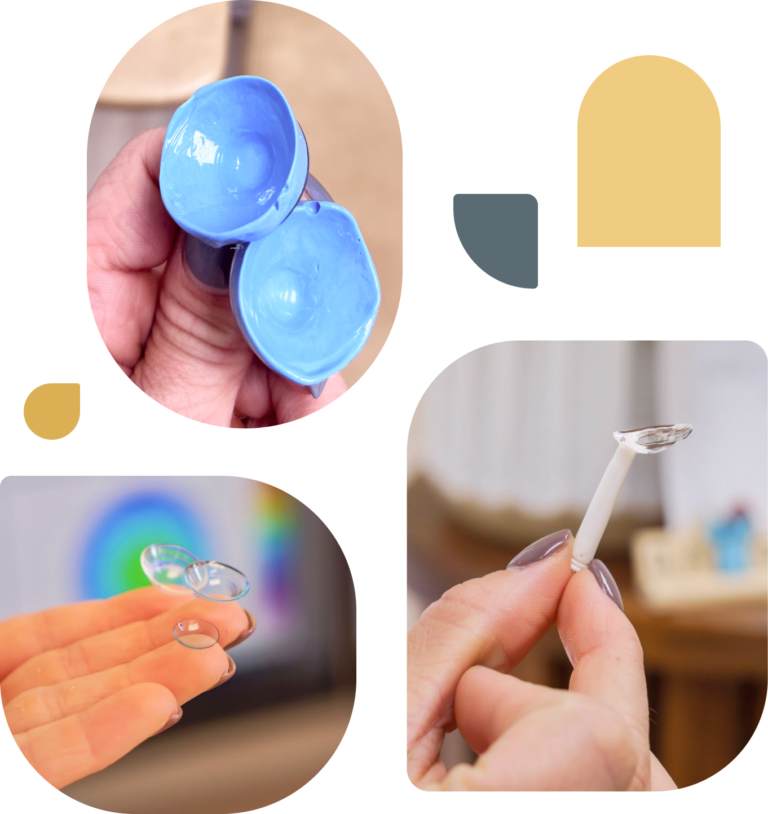
When standard soft contact lenses no longer provide the comfort or visual performance you need, specialized lens options can offer a life-changing alternative. For patients seeking GP contact lenses Raleigh services, finding an experienced specialty contact lens provider is essential. Modern gas permeable (GP) lenses are designed to deliver sharper vision, improved durability, and customized solutions for individuals with unique eye conditions.
At Raleigh Contact Lens Institute, specialty contact lenses are not simply one of many services offered—they are a primary focus of the practice. The clinic specializes in helping patients achieve exceptional vision through advanced lens technology, personalized fittings, and comprehensive eye care designed around each individual’s needs.
What Are GP Contact Lenses?
Gas permeable contact lenses, often referred to as GP lenses, are rigid lenses made from highly oxygen-permeable materials. Unlike traditional soft contact lenses, GP lenses maintain their shape while on the eye, allowing them to provide exceptionally clear vision for many patients.
These lenses are especially beneficial for individuals with irregular corneas, high astigmatism, keratoconus, post-surgical vision challenges, and other conditions that may not respond well to standard soft lenses.
One of the major advantages of GP lenses is their ability to create a smooth optical surface over the eye. This often results in sharper and more stable vision compared to conventional contact lens options.
Who Can Benefit from GP Contact Lenses?
Many patients assume they have exhausted their contact lens options after experiencing discomfort or poor visual results with standard lenses. However, specialty GP lenses frequently provide solutions for conditions that make traditional contact lens wear difficult.
Patients who may benefit include those with:
- High or irregular astigmatism
- Keratoconus
- Corneal scarring
- Post-LASIK complications
- Corneal transplant history
- Dry eye-related contact lens issues
- Complex prescription needs
- Difficult-to-fit eyes
According to the Raleigh Contact Lens Institute, specialty contact lenses are often recommended when conventional soft lenses fail to provide satisfactory results. Their specialists regularly work with patients facing challenging visual conditions and customize lens designs accordingly.
Why Specialized Fitting Matters
The success of GP lenses depends heavily on the fitting process. Unlike mass-produced contact lenses, specialty GP lenses require detailed measurements and individualized design considerations.
A proper fitting involves evaluating:
- Corneal shape and curvature
- Tear film quality
- Eye health
- Visual requirements
- Lifestyle needs
- Previous contact lens experiences
At Raleigh Contact Lens Institute, new patient evaluations often last between 90 and 120 minutes. This extended appointment time allows doctors to thoroughly assess each patient’s condition and create a customized treatment plan rather than relying on a one-size-fits-all approach.
Advanced Technology Makes a Difference
One reason patients seek out specialized contact lens practices is access to advanced diagnostic technology. Modern imaging systems provide highly detailed measurements of the eye, allowing practitioners to design more precise and comfortable lenses.
The Raleigh Contact Lens Institute utilizes advanced technology to evaluate complex corneal conditions and improve lens fitting accuracy. Their investment in specialized instruments helps support customized solutions for patients with challenging prescriptions and unique ocular needs.
This technology-driven approach often results in:
- Better lens comfort
- Improved visual outcomes
- More accurate fittings
- Reduced adaptation time
- Enhanced long-term eye health monitoring
GP Lenses for Keratoconus and Irregular Corneas
Keratoconus is one of the most common conditions treated with GP contact lenses. This progressive eye condition causes the cornea to thin and bulge into a cone-like shape, leading to distorted vision that glasses may not fully correct.
Because GP lenses maintain a consistent shape over the irregular cornea, they can often provide dramatically improved vision. Many patients who struggle with blurry or distorted sight find that specialty GP lenses restore visual quality that was previously difficult to achieve.
The specialists at Raleigh Contact Lens Institute regularly work with keratoconus patients and other individuals experiencing corneal irregularities. Their expertise in specialty lens fitting allows them to develop customized solutions tailored to each patient’s specific condition.
Beyond Traditional GP Lenses
Today’s specialty lens options extend far beyond standard gas permeable designs. Depending on the patient’s needs, practitioners may recommend:
- Corneal GP lenses
- Scleral lenses
- Hybrid lenses
- Custom soft lenses
- Orthokeratology (Ortho-K) lenses
- EyePrintPRO technology
Each option serves different visual and medical needs. The goal is not simply correcting vision but providing the best combination of clarity, comfort, and long-term eye health.
The Raleigh Contact Lens Institute offers a wide range of specialty lens technologies, allowing practitioners to customize treatment plans based on individual patient requirements.
Myopia Management for Children and Teens
In addition to specialty contact lenses, myopia management has become an increasingly important focus in modern eye care. Nearsightedness continues to rise among children and adolescents, creating concerns about future eye health.
Research shows that simply prescribing stronger glasses each year does not slow the progression of myopia. Instead, specialized treatments can help manage worsening prescriptions and potentially reduce long-term risks associated with high myopia.
Treatment options may include:
- Orthokeratology (Ortho-K)
- MiSight contact lenses
- Low-dose atropine therapy
- Customized treatment combinations
The doctors at Raleigh Contact Lens Institute focus heavily on myopia management and utilize advanced technology to develop personalized treatment plans for children and teenagers experiencing progressive nearsightedness.
A Patient-Centered Approach to Eye Care
One factor that separates specialty contact lens practices from general eye care clinics is the level of individualized attention patients receive.
Complex vision conditions often require extensive evaluation, detailed discussion, and ongoing adjustments. Rather than rushing appointments, specialty practices devote significant time to understanding each patient’s goals, challenges, and lifestyle requirements.
At Raleigh Contact Lens Institute, doctors emphasize one-on-one patient care and customized treatment planning. This patient-focused approach allows them to address complex visual needs while ensuring patients fully understand their options and treatment recommendations.
Choosing the Right Specialist for GP Contact Lenses in Raleigh
When searching for GP contact lenses Raleigh services, experience matters. Specialty lens fitting requires advanced training, modern technology, and a deep understanding of complex eye conditions.
Patients should look for providers who:
- Focus on specialty contact lenses
- Offer advanced diagnostic technology
- Treat complex corneal conditions
- Provide customized fittings
- Have experience with keratoconus and irregular corneas
- Offer comprehensive follow-up care
For many patients throughout Raleigh and the surrounding region, Raleigh Contact Lens Institute has become a trusted destination for specialty contact lens care. Their commitment to advanced technology, personalized treatment, and specialty expertise helps patients achieve clearer, more comfortable vision even when conventional options have failed.
Whether you’re dealing with high astigmatism, keratoconus, post-surgical complications, or simply seeking better visual performance, specialty GP lenses may provide the solution you’ve been searching for. A comprehensive evaluation with an experienced specialty contact lens provider can help determine the most effective path toward improved vision and long-term eye health.