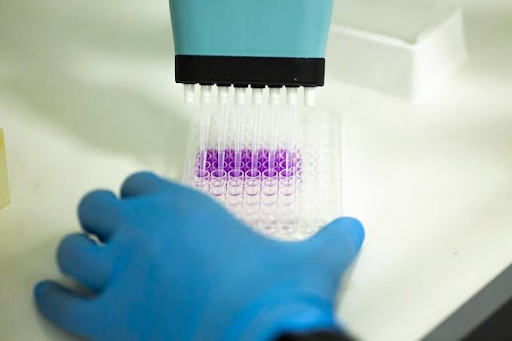
Accurate measurement of proteins, hormones, antibodies, and other biological molecules is fundamental to modern life science research. Among the many analytical techniques available, the elisa kit continues to be one of the most widely used tools for quantitative detection because of its sensitivity, versatility, and ease of use. From basic biological studies to translational research, this method enables scientists to generate reliable data that supports everything from biomarker discovery to therapeutic development.
Despite the emergence of advanced molecular technologies, ELISA remains a trusted laboratory technique because it combines accuracy with scalability across a wide range of applications.
Understanding the ELISA Principle
Enzyme-Linked Immunosorbent Assay (ELISA) is an immunological technique designed to detect and quantify specific molecules using highly selective antigen-antibody interactions. When the target molecule binds to an antibody, an enzyme-linked detection system generates a measurable color change that reflects the amount of analyte present.
Several ELISA formats are commonly used depending on experimental objectives, including:
- Direct assays
- Indirect assays
- Sandwich assays
- Competitive assays
Each format offers unique advantages based on the type of sample, target abundance, and required sensitivity.
Why Researchers Continue to Choose ELISA
One reason this technique remains popular is its adaptability across numerous biological samples and research disciplines.
Scientists value ELISA because it offers:
- High analytical sensitivity
- Strong specificity
- Quantitative results
- Cost-effective workflows
- Compatibility with high-throughput screening
- Relatively simple laboratory protocols
These advantages make the assay suitable for both exploratory research and large-scale experimental studies.
Researchers looking for validated elisa kit solutions often select products that include optimized reagents, detailed protocols, and performance validation to improve consistency across experiments.
Common Research Applications
The versatility of ELISA allows it to support investigations across many scientific fields.
Biomarker Discovery
Researchers frequently measure protein biomarkers to understand disease progression and evaluate biological responses.
Typical targets include:
- Cytokines
- Growth factors
- Hormones
- Enzymes
- Inflammatory mediators
Quantitative analysis helps identify molecular changes associated with different physiological conditions.
Immunology Studies
ELISA is widely used to investigate immune function by measuring antibody production and cytokine release.
These studies contribute to research involving:
- Vaccine evaluation
- Immune regulation
- Autoimmune diseases
- Host-pathogen interactions
Accurate protein quantification provides valuable insight into immune responses under different experimental conditions.
Drug Development
Pharmaceutical researchers rely on ELISA throughout drug discovery and preclinical development.
The technique supports:
- Therapeutic protein measurement
- Pharmacodynamic studies
- Target validation
- Toxicity assessment
- Treatment response monitoring
Reliable quantitative data helps guide decisions during early-stage drug development.
Factors That Influence Experimental Success
Even a well-designed assay requires careful execution to produce meaningful results.
Researchers typically optimize several experimental variables, including:
- Sample preparation
- Plate washing procedures
- Incubation times
- Temperature control
- Standard curve preparation
- Appropriate positive and negative controls
Attention to these details helps reduce variability while improving reproducibility between experiments.
Selecting the Right Assay
Different research questions require different assay designs. Before selecting a kit, scientists often evaluate several important characteristics.
Sensitivity
Low-abundance biomarkers require highly sensitive assays capable of detecting small concentrations without compromising specificity.
Dynamic Range
A broader detection range allows accurate measurement across samples containing varying analyte concentrations.
Sample Compatibility
Different assays may be validated for serum, plasma, cell lysates, tissue homogenates, or culture supernatants. Choosing an assay compatible with the intended sample type improves reliability.
Validation Data
Well-documented validation information—including precision, specificity, and reproducibility—helps researchers compare available products and select appropriate reagents.
Best Practices for Reliable Data
Producing reproducible ELISA results involves more than following a protocol. Good laboratory practice remains essential throughout every stage of the experiment.
Researchers often improve assay performance by:
- Running technical replicates
- Using freshly prepared standards
- Avoiding repeated freeze-thaw cycles
- Maintaining consistent pipetting techniques
- Including quality control samples in every experiment
Standardized workflows help minimize experimental variability and increase confidence in quantitative findings.
For additional guidance on immunoassay development and validation, resources from the National Center for Biotechnology Information provide valuable information on assay principles, biomarker research, and laboratory best practices.
Looking Ahead
ELISA continues to evolve alongside advances in biotechnology. Automated liquid handling systems, multiplex platforms, and improved antibody engineering are expanding the capabilities of immunoassays while maintaining the reliability that has made ELISA a laboratory standard for decades.
As researchers investigate increasingly complex biological questions, dependable quantitative protein analysis will remain an essential component of biomedical discovery.
Conclusion
ELISA has earned its reputation as one of the most dependable analytical techniques in biomedical research. Its ability to deliver accurate, quantitative measurements across diverse sample types makes it invaluable for biomarker discovery, immunology, drug development, and diagnostic research.
By selecting well-validated assays and following carefully optimized laboratory practices, researchers can generate high-quality, reproducible data that supports meaningful scientific advances. As new technologies complement traditional immunoassays, ELISA will continue to play a central role in understanding biological processes and accelerating future discoveries.