There is a distinct silence in the home after your pet has passed away. The bowl is there by the door. The leash hangs on its usual hook. In that silence, many grieving pet parents find themselves wondering if there is any way to truly hold on, to have a piece of them always, something wearable, tangible, never to be lost.
One way in which this has been answered has been to convert cremated ashes into diamonds. It may be one of the most profound and moving services of this type, but it is certainly one of the least understood. The process is described in sales pitches using words such as “lab grown,” “carbon extraction,” “HPHT,” but none of these terms mean anything to a grieving pet parent. So this guide aims to do the opposite: explain the real science of the process, the real pricing ranges, realistic timelines, and the real questions that should be asked, according to how the process really goes.
What Are Pet Ashes Diamonds?
A memorial diamond is formed when carbon from ashes, typically just under a teaspoon in size, is placed under extreme heat and pressure similar to that used to make natural diamonds deep underground, but in a matter of weeks instead of millions of years. This produces a man-made diamond in every way indistinguishable from an earth-mined one, shaped and set into a piece of jewelry.
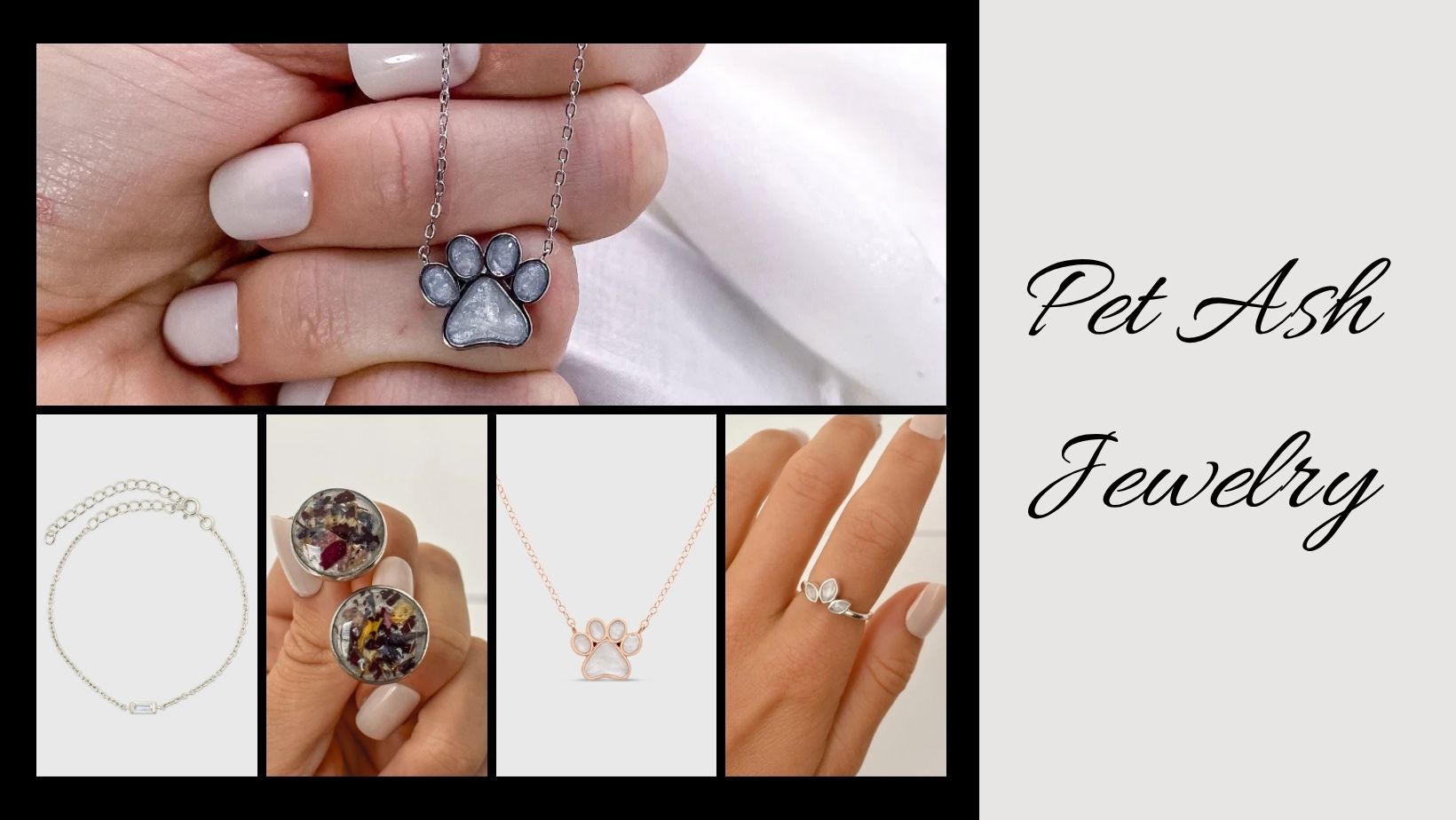
It is distinguished from more economical pet ash jewelry by using only a small fraction of the ashes encased in glass or resin as opposed to being made into a gemstone. Both types have valid purposes, depending on what it is that each individual wishes to remember.
How the Diamond-Growing Process Actually Works
Ash-to-stone transformation does not happen instantly. It involves multiple steps performed in a laboratory:
- Carbon isolation – The ashes are subjected to special treatment, allowing the isolation of carbon, the only element used to make a diamond.
- Purification – Purified carbon is cleansed from any contaminants, which can weaken or affect the color of the stone.
- Crystallization – With the help of HPHT technology, the purified carbon is subjected to great pressure similar to the one deep inside the earth’s crust. Thus, a rough diamond crystal is obtained.
- Cutting and polishing – Under the guidance of a gemologist, the rough crystal is cut and polished to the chosen shape, such as round, princess, oval, and others.
- Mounting – Finally, the polished diamond is placed in the chosen jewel, for example, ring band, necklace, and earrings.
In most cases, the reputable studio provides the buyer with the certificate that proves the origin of a diamond.
How Long Does It Take?
It is here that expectations may have to be modified. Diamond production from carbon takes weeks of its own, while diamond cutting and polishing take additional time. The turnaround period is usually between 3 to 9 months, based on the size of the diamond and laboratory workload. Some labs provide express service for an additional charge, but any company that promises a lab-created memorial diamond within a few weeks probably does not have a real one.
What Does Diamond Ashes Jewelry Cost?
Pricing depends heavily on carat size, diamond color, and the metal used for the setting. Here’s a general breakdown based on current industry pricing:
| Stone Size | Typical Price Range | Common Use |
| 0.10–0.20 carat | $600 – $1,200 | Small accent stones, earrings |
| 0.25–0.50 carat | $1,200 – $2,800 | Rings, pendants |
| 0.75–1.0 carat | $2,800 – $6,000+ | Statement rings, engagement-style pieces |
| Colored memorial diamonds (blue, yellow) | Add 20–40% | Any setting |
Setting material shifts the number too; sterling silver keeps costs down, while 14k gold or platinum adds several hundred dollars. Ash-inclusion jewelry, where ashes sit in glass or resin rather than becoming a diamond, sits lower, often $100 to $250, so comparing prices only makes sense when comparing like for like.
Lab-Grown vs. Natural: What’s the Difference?
- It is often thought that in order for something to be a “true” memorial diamond, it must have been mined. This is not true at all. Lab-created diamonds are no different from natural diamonds when it comes to their physical attributes, crystal structure, hardness, and optical characteristics; they are graded on the GIA 4Cs scale in the same way as any natural diamonds are.
5 Questions to Ask Before You Purchase
- Is the ash sample tested for its carbon content prior to the order being placed?
- Is there a warranty regarding what will happen if the batch doesn’t contain enough carbon?
- What is the realistic time frame, in black and white, not sales pitch?
- Is the diamond independently graded or certified?
- What happens with the remaining ashes?
Providers who answer these clearly, in writing, tend to be worth trusting with something this personal. Studios such as Petals and Keepsakes that publish their timeline and warranty terms upfront make comparison shopping easier for grieving families.
Final Thoughts
The decision of getting your pet ashes diamond shouldn’t be made hastily, and it shouldn’t be offered without clear pricing or explanations either. Learning about the process behind the lab work, how long it takes, and where your money will be spent helps in making such a difficult decision. If you are buying it from a specialty diamond laboratory or a brand that makes memorial jewelry like Petals and Keepsakes, you will get answers to all your questions.
Frequently Asked Questions
How much ash is needed to grow a diamond?
Most labs need only a small sample, roughly a tablespoon or less. Any excess is usually returned once the required carbon has been extracted.
Can a diamond be made from a pet that wasn’t cremated?
No. Carbon extraction depends on cremated remains, so cremation through a vet or pet crematorium has to happen first.
Do memorial diamonds fade or change color over time?
No. Since they’re chemically identical to natural diamonds, they’re just as durable and won’t fade or cloud with normal wear.
Can ashes from more than one pet be combined into one diamond?
Some labs allow blended samples, though it’s worth confirming, since carbon yield and results can vary by provider.
What size diamond is realistic for a small amount of ashes?
Most orders yield stones between 0.10 and 0.50 carats. Larger stones are possible but may need additional carbon or longer processing.