
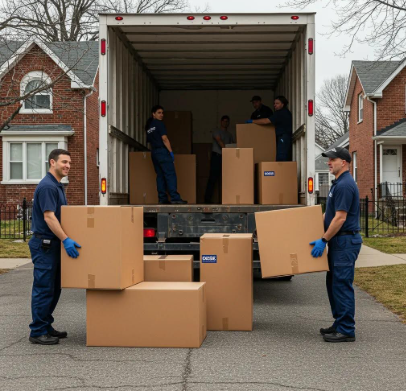
Moving house can be exciting, but the process itself often comes with a long list of things to organise. From sorting cupboards and packing boxes to arranging transport and making sure furniture can get through doorways, even a small move can take more planning than expected.
Good preparation makes a noticeable difference. When everything is organised before moving day, there is less rushing around and fewer surprises. Whether you are moving from an apartment, a family home, or relocating to another city, Residential Moves can be much easier to manage with a clear plan. Better Moves can help make the moving process more organised and straightforward.
What Makes Residential Moves Challenging
Every property is different. One home may have wide entrances and plenty of parking, while another could involve narrow hallways, stairs, lifts, or limited access for a moving truck. These details can affect how furniture is loaded, transported, and brought into the new property.
The amount of furniture and the distance between the two properties also matter. A local move may be completed within a day, while Residential Moves involving intercity relocation require more attention to scheduling, travel time, access, and delivery arrangements.
Thinking about these practical details early can help prevent unnecessary delays on moving day.
Residential Moves Start With Good Preparation
One of the easiest ways to reduce moving-day stress is to start preparing well before the truck arrives. Begin by going through each room and deciding what actually needs to be moved.
Items that are no longer useful can be donated, sold, recycled, or disposed of. Moving fewer unnecessary belongings can save packing time and reduce the amount of space required in the moving vehicle.
Once you know what is coming with you, create a basic inventory. You do not need a complicated spreadsheet. A simple room-by-room list can help you keep track of boxes and important items.
Labelling boxes clearly is also worthwhile. Write the name of the room and a short description on each box. This makes unpacking much easier when you arrive at the new property.
Packing Does Not Have to Be Done All at Once
Packing an entire house over one weekend can quickly become overwhelming. A better approach is to work gradually and deal with one room or category at a time.
Start with items you do not use every day, such as decorations, books, seasonal clothing, spare kitchen equipment, and storage items. Leave everyday essentials until closer to moving day.
Fragile belongings need extra attention. Use suitable packing materials and avoid placing heavy objects on top of delicate items. Furniture should also be protected during loading and transport to reduce the chance of scratches, dents, or other damage.
If you have limited time, professional packing assistance can be useful. Better Moves offers full or partial packing options, including assistance with fragile items and packing materials.
Planning Access Before Moving Day
Access is one of those details that is easy to overlook until it becomes a problem.
Before the move, check the entrances at both properties. Consider stairs, lifts, narrow corridors, gates, driveways, parking restrictions, and other obstacles that could affect the moving team.
Apartment residents may also need to check building rules or arrange lift access in advance. If parking is difficult, finding a suitable loading area beforehand can save valuable time.
Providing accurate information to the moving company allows the team to prepare properly rather than discovering access problems after arriving.
Moving Furniture Safely
Large furniture can be difficult to handle without the right equipment and experience. Sofas, beds, wardrobes, dining tables, and other bulky items may need to be carefully manoeuvred through doorways and hallways.
Professional movers use appropriate equipment and handling techniques to make loading and unloading safer. Better Moves, for example, uses carpet-lined trucks to help protect furniture and flooring during loading and transport.
If a piece of furniture is particularly large or awkward, mention it when requesting a quote. This gives the moving team a better understanding of the job before the moving date.
Residential Moves for Long-Distance Relocations
Moving between cities requires a little more coordination than a local relocation. Pickup and delivery times need to be planned around travel distance, property access, and the availability of both homes.
Weather, road conditions, and other unexpected issues can also affect longer journeys. Keeping communication open with the moving company helps everyone understand the schedule and any changes that may occur.
Better Moves provides intercity moving services and operates across Dunedin, Mosgiel, Christchurch, Otago, Canterbury, and the wider South Island.
What to Do on Moving Day
Try to keep important personal items separate from the main household load. Documents, medication, chargers, basic toiletries, valuables, and a change of clothes are examples of things you may want to carry with you.
Before leaving the old property, check cupboards, wardrobes, garages, sheds, and outdoor areas. It is surprisingly easy to leave something behind when several rooms are being cleared at once.
At the new property, have your labelled boxes placed in their correct rooms where possible. This can make the unpacking process much more organised.
Why Professional Moving Support Can Help
Moving involves much more than carrying boxes from one address to another. Timing, packing, furniture protection, transport, access, and communication all have to work together.
For busy families, people moving between cities, or anyone dealing with large or difficult furniture, professional assistance can take a considerable amount of pressure off the process.
Better Moves provides residential moving services for apartments, family homes, and intercity relocations. The company also offers packing assistance and furniture delivery, giving customers options based on the type of move they are planning.
Choosing the Right Moving Service
Before booking a mover, think about what you actually need. Some people only require transportation for large furniture, while others may need help packing, loading, transporting, and placing belongings inside the new home.
Ask about the services included, available moving dates, access requirements, and any additional charges that may apply. Giving the company accurate information about the size of your move can also make the quoting process more useful.
A reliable mover should be able to communicate clearly and provide a practical plan for the moving day.
Final Thoughts
A successful house move rarely happens by accident. The smoother relocations are usually the ones where packing, access, furniture, transport, and timing have been considered before moving day.
Start early, remove unnecessary belongings, label your boxes, communicate access requirements, and keep essential items close by. Most importantly, choose moving support that matches the size and complexity of your relocation.
With sensible preparation and the right help, Residential Moves can become a much more manageable experience. For homeowners looking for practical moving assistance across the South Island, Better Moves provides residential, packing, furniture delivery, and intercity moving options designed around different household needs.
Read for more Info : Click Here