
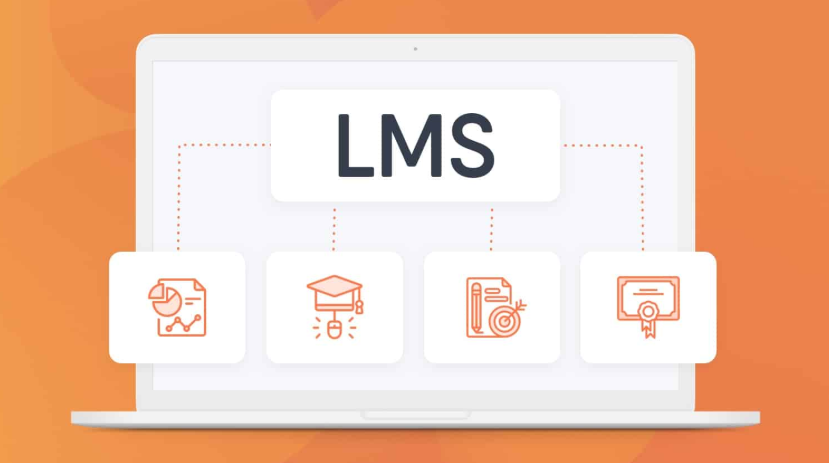
Every classroom is full of students who have varied learning abilities, varied interests, and require varied assistance. It becomes easier for teachers to grasp all the learning patterns through digital data collected from daily classes, assessments, tasks, and dialogues. The best learning management system collates all this information in one place and helps the teachers to track the progress, prepare lesson plans, and provide proper guidance.
- Understand Student Activity: A Learning Management System holds all the activities that the learners have been involved in during the whole course. It is possible to determine the number of visits of the students to the lecture, watching of the video, completion of the quiz, submission of their assignment, and participation in discussion forums. This information will give you an idea about how the learners are using the course material.
- Track Progress with Clear Reports: Reports assist in tracking student development throughout their study period. It becomes easy for teachers to analyse quiz scores, assignment performance, course completion rates, and attendance rates using easy dashboards. The weekly report will indicate improvement over a week, whereas a monthly report will indicate learning trends. The clarity of the reports enables teachers to discuss students’ performance using tangible examples.
- Find Learning Gaps Early: Learning analytics aids in identifying areas where there is a need for more practice. When a few students have poor performance on the same topic, the teacher can create an opportunity for revising the topic or even provide other learning resources. Individual analytics will also provide ways to offer personalised assistance. This ensures that all learners get attention while working towards their goals.
- Personalise Classroom Support: Students are able to learn effectively if the process of teaching is based on their needs and interests. With the use of analytics, a teacher can group students for different activities, select appropriate material, and customise the practice assignments. One student who grasps a particular subject very fast can be offered to perform some complex tasks, and another student can do some guided practice.
- Use Data During Assessments: Assessment results become more valuable when combined with observations in the class. A learning management system can store information about grades, feedback, attempts, and completion of tasks in one place. The information can be used by teachers to create brief revision lessons, develop questions, and choose appropriate assessment methods. A combination of data and the teacher’s judgment provides a holistic picture of students’ performance and experiences in the class.
- Protect Data: Student information must be treated with utmost care and communicated with clarity. Teachers need to consider using secure accounts, appropriate access, and proper school procedures when analysing learning analytics. It would help students and their parents understand how learning analytics can help facilitate the learning process and have meaningful conversations about learning.
In conclusion, learning analytics offers educators an effective method of assessing progress, enhancing lesson plans, and providing relevant assistance. Through the combined efforts of reports, assessment results, classroom wisdom, and students’ dialogues, the learning process becomes more purposeful and personalised. A platform learning management system is capable of connecting these processes through well-organised dashboards and relevant data. Through consistent analysis and relevant teaching strategies, the learning process can be supported effectively.