
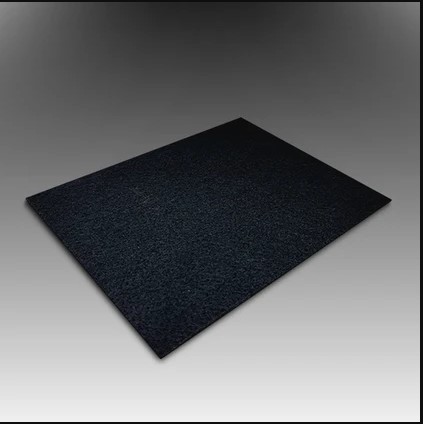
Unwanted road noise, engine vibrations, and tyre sounds can make driving less comfortable, especially during long journeys. The right interior materials can help reduce these disturbances while protecting the vehicle’s flooring. Acoustic Floor Mats are designed to provide floor protection and may also contribute to cabin noise control, depending on their construction. Understanding their materials, installation requirements, and limitations helps car owners make informed decisions. A well-planned approach to car soundproofing can improve everyday comfort while maintaining a practical, safe, and well-maintained vehicle interior.
What Are Acoustic Floor Mats?
Acoustic floor mats are specialised floor coverings or layered materials designed to support interior comfort and, depending on their construction, help manage unwanted sound. Unlike ordinary mats that mainly protect against dirt and moisture, some acoustic products incorporate layers intended to absorb sound energy or reduce the transmission of noise.
Their performance depends on factors such as material density, thickness, construction, and placement. Some products focus on surface protection, while others are designed for installation beneath the vehicle’s main carpet as part of a broader acoustic treatment.
Key Features to Consider
- Noise management: Suitable materials may help reduce certain sounds entering or travelling through the cabin.
- Floor protection: The upper surface can help protect the original flooring from dust, spills, and everyday wear.
- Cushioning: Some designs provide a softer surface underfoot.
- Durability: Quality construction helps the material withstand regular use.
- Easy maintenance: Removable designs can make routine cleaning more convenient.
Not every floor mat offers the same acoustic performance, so it is important to check the intended application before purchasing.
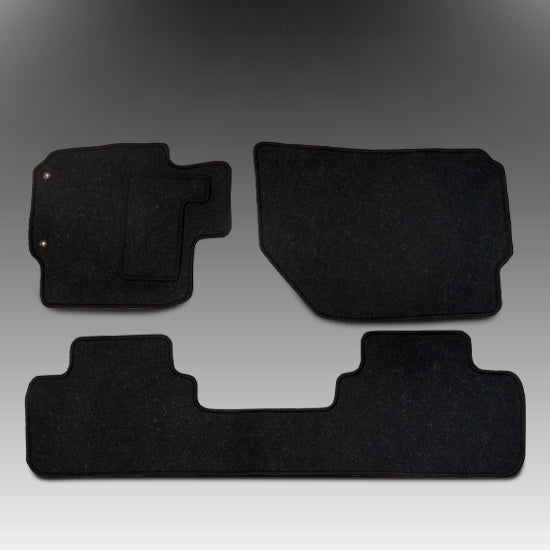
Common Sources of Noise Inside a Vehicle
Before choosing acoustic materials, identify the main source of unwanted noise. Different sounds travel through different paths, and treating the wrong area may produce limited results.
1. Road and Tyre Noise
Tyres generate sound as they contact the road. Rough surfaces, uneven roads, and certain driving speeds can make this noise more noticeable inside the cabin. Some sound may travel through the floor and wheel arches.
2. Engine Vibrations
Engine operation can create vibrations that travel through the vehicle’s structure. The amount of noise entering the cabin depends on the vehicle’s design, mechanical condition, and existing insulation.
3. Wind Noise
Air moving around the vehicle can produce noise, particularly at higher speeds. Worn door seals, poorly aligned windows, and gaps around body panels may increase the problem. These issues often require inspection and repair rather than additional flooring alone.
4. Panel Resonance
Large metal panels may vibrate when exposed to road movement, engine energy, or audio output. Suitable damping materials can help control these vibrations when correctly installed.
Understanding these sources makes it easier to select a practical combination of floor coverings and other acoustic materials.
How Acoustic Floor Mats Help Improve Cabin Comfort
The performance of an acoustic mat depends on how it manages sound and vibration. Some materials absorb a portion of sound energy, while others provide a barrier that reduces sound transmission. Damping materials work differently by limiting vibration in the panels to which they are attached.
A suitable product may contribute to a more comfortable interior, but the result depends on the type and frequency of noise, the vehicle’s construction, and the area treated.
Factors That Influence Performance
- Material composition: Different materials absorb, block, or damp sound in different ways.
- Thickness and density: These properties influence how a product performs in its intended application.
- Coverage: Gaps and untreated areas may allow noise to continue entering the cabin.
- Installation quality: Loose, folded, or poorly positioned materials can reduce effectiveness.
- Noise source: Floor treatment is more relevant to some road-related sounds than to wind noise or mechanical faults.
A realistic assessment helps avoid expecting one product to solve every noise problem.
Understanding Car Soundproofing
Car soundproofing involves using suitable materials and installation methods to reduce unwanted noise entering or developing inside a vehicle. It may include damping sheets, acoustic foam, sound barriers, and specialised floor treatments.
The best approach usually starts with identifying the main noise source rather than covering every available surface.
Common Areas for Acoustic Treatment
Floor panels: Suitable materials may help reduce some road noise and vibration transmitted through the vehicle’s floor.
Doors: Damping materials can reduce panel resonance and may improve the acoustic performance of the door structure.
Wheel arches: Appropriate treatment can help manage certain tyre-related sounds and vibrations.
Boot area: Selected rear panels may benefit from treatment if they contribute to unwanted resonance.
Roof panels: Damping materials may help control vibration in large roof sections where appropriate.
Every treatment should be compatible with the vehicle’s construction and must not interfere with drainage, wiring, safety systems, or moving components.
How to Choose the Right Acoustic Floor Mats
Selecting a suitable product requires balancing acoustic performance, durability, fit, and ease of maintenance.
Important Buying Factors
- Check the intended use: Confirm whether the product is designed as a removable mat, an under-carpet layer, or a specialised acoustic treatment.
- Assess material quality: Look for construction suited to regular automotive use.
- Verify the fit: Ensure the mat matches the floor dimensions and remains securely positioned.
- Consider moisture resistance: Materials should suit the conditions they may experience, particularly in wet weather.
- Review weight and thickness: Excessive thickness may affect carpet fit, while unnecessary weight can reduce practicality.
- Check maintenance needs: Choose a surface that suits your cleaning routine.
- Review technical information: Look for clear details about the product’s intended function and installation requirements.
The most suitable choice depends on the vehicle, the driving environment, and the particular comfort problem being addressed.
Installation Tips for Better Results
Correct installation is essential for both performance and safety. Even a well-designed product may cause problems if it is fitted incorrectly.
Follow these steps before installing floor materials:
- Remove dirt and inspect the floor for rust, moisture, or existing damage.
- Allow the surface to dry completely before adding any material.
- Measure the floor area carefully and cut materials according to the required dimensions.
- Follow the product’s instructions for positioning and fixing.
- Keep pedals, seat tracks, wiring, drainage points, and service access unobstructed.
- Secure the mat using the intended fixing system.
- Check that the driver’s mat cannot slide forward or interfere with pedal movement.
For materials installed beneath the original carpet or behind interior panels, professional installation may be advisable.
Common Mistakes to Avoid
A few mistakes can reduce the benefits of acoustic treatment and create unnecessary maintenance problems.
- Choosing products only by price: Low-cost options may not provide the required fit or durability.
- Expecting complete silence: Some engine, road, and wind sounds will remain even after treatment.
- Ignoring damaged seals: Wind noise caused by gaps requires attention to the seals and alignment.
- Installing over damp surfaces: Trapped moisture can contribute to odors and corrosion.
- Using excessive material: Unnecessary layers may add weight or interfere with interior components.
- Neglecting safety: Loose mats can become a hazard if they move into the driver’s footwell.
A targeted approach is generally more practical than installing materials without understanding the underlying problem.
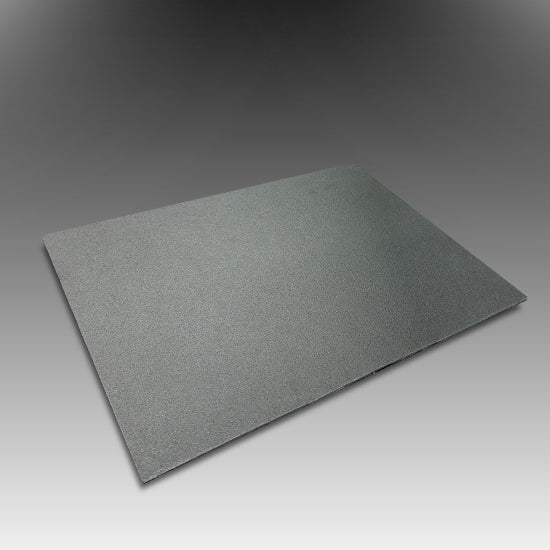
Maintaining Acoustic Floor Mats
Regular maintenance helps preserve the appearance and function of floor coverings.
- Vacuum mats frequently to remove dust and loose debris.
- Clean spills promptly using a suitable cleaning method.
- Allow washable mats to dry completely before reinstalling them.
- Inspect the edges and fixing points for damage.
- Check beneath removable mats for trapped moisture.
- Replace mats that no longer fit securely or have become excessively worn.
These simple steps help keep the cabin clean and support long-term interior care.
Conclusion
A quieter vehicle interior begins with understanding the sources of unwanted sound and selecting materials suited to the problem. Well-chosen Acoustic Floor Mats can protect flooring and may contribute to acoustic comfort when designed for that purpose. A broader car soundproofing plan may also require damping sheets, suitable insulation, or repairs to worn seals. Correct installation and regular maintenance are essential for safety and performance. With over 35 years of expertise in noise, vibration, and harshness solutions, Paramat brings established experience in automotive sound deadening materials and cabin comfort applications.