
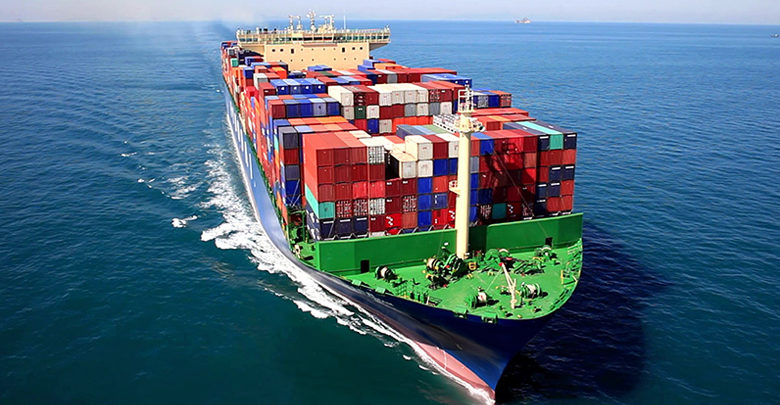
Global trade relies on transportation systems that can move products safely and efficiently between distant markets. Container shipping has become an important part of this network because it lets businesses move large cargo volumes through standardized units that are easier to handle, transfer, and track across multiple stages.
For businesses managing international shipments, ocean freight forwarding provides structured support for coordinating cargo movement, documentation, routing, and port operations. Containers also help simplify transfers between ships, trucks, and rail networks, creating a more connected flow from suppliers to customers.
Moving Large Cargo Efficiently
Container shipping is valuable for businesses transporting substantial quantities of products across international routes. Standardized containers let businesses consolidate cargo into secure units, making loading, unloading, and port handling more organized.
Moving larger volumes in fewer units also supports better logistics planning. Businesses can coordinate inventory, shipping schedules, and delivery requirements more efficiently while reducing unnecessary handling during transit.
Supporting Predictable International Movement
Container shipping provides businesses with a structured transportation process that supports better shipment planning. Consistent handling procedures and established routes can make international cargo movement easier to coordinate and manage.
-
Standardized Cargo Handling
Standardized containers create consistency across international transportation networks. The same container can move between ships, trucks, and rail systems with fewer handling complications. This supports smoother transfers and helps businesses maintain better control over shipments during different stages of transit.
-
Better Protection During Transit
Containers provide an enclosed environment that can help protect products from weather exposure, contamination, and unnecessary handling. Proper packing and securing procedures further reduce the possibility of cargo damage.
-
Connecting International Markets
Container shipping creates strong links between production centers and overseas markets. Businesses can send products from manufacturing locations to ports and onward to destinations across continents. Freight carrier companies play an important role in coordinating transportation networks and supporting broader supply-chain requirements.
-
Improving Supply Chain Planning
Reliable container movement allows businesses to plan inventory, production, and distribution more effectively. Logistics planning can account for shipment schedules, container availability, port operations, and delivery timelines. Working with experienced freight carrier companies can also help businesses choose suitable transportation arrangements based on cargo requirements and destination.
Managing Trade Requirements
International container shipping involves important documentation and regulatory requirements. Commercial invoices, packing lists, shipping documents, and customs declarations must be prepared accurately to support smooth cargo processing.
Businesses must also consider customs regulations, duties, and destination-specific requirements. Proper coordination between logistics providers and other stakeholders can help reduce paperwork errors and avoid unnecessary shipment delays.
Conclusion
Efficient container shipping gives businesses a dependable foundation for participating in international trade. From moving large cargo volumes to supporting safer handling and coordinated supply chains, it helps keep cross-border commerce moving smoothly. Partnering with capable freight carrier companies can make shipment planning and execution more organized.
For businesses seeking reliable logistics support, AVR Logistics offers comprehensive freight forwarding solutions designed to simplify cargo movement, strengthen coordination, and support efficient global trade. With expertise across multiple transportation modes, the company helps businesses manage shipments with greater flexibility and efficiency. Its integrated logistics approach supports smoother cargo handling from origin to destination.