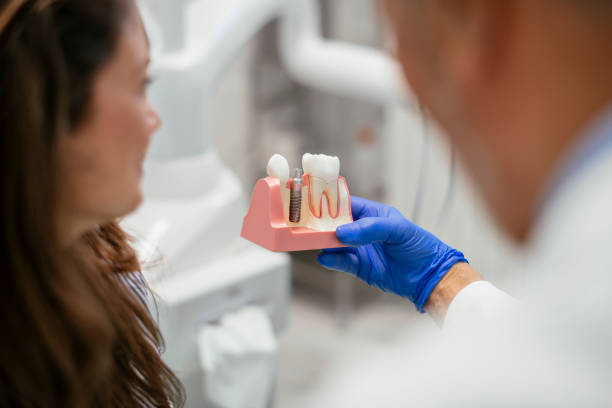
A missing tooth can be more annoying than people expect. At first, you might think, “It’s just one tooth.” Then you try eating on that side and realize you’re avoiding certain foods. Or you catch yourself covering your mouth when you laugh. It gets old. The good thing is, replacing a missing tooth isn’t what it used to be. Local dental implants have changed the whole process because they don’t simply fill the space left behind. They give dentists a way to replace the tooth root as well, and that makes a real difference in how the replacement sits, functions, and holds up over time.
It Starts Underneath the Tooth
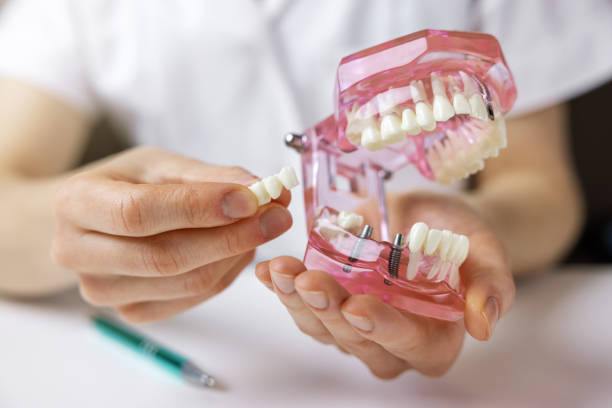
The biggest difference with an implant is actually something you can’t see. A normal tooth has a root sitting inside the jaw. When that tooth is gone, the root goes with it. A traditional bridge replaces the visible tooth, but the empty space underneath is still there. An implant takes a different approach. A small titanium post is placed into the jawbone and allowed to heal. The bone gradually bonds around the implant and gives it a firm hold. It takes time. There are no shortcuts around that healing period. But once it has integrated properly, the implant acts as a foundation for the replacement tooth.
People Notice the Stability
This is where implants can feel very different from removable dentures. A denture has to sit on the gums, and even a well-made one can move a little. Maybe not enough to cause a problem every day, but enough that you know it’s there. Implants don’t work like that. They’re anchored in the jaw. So when you bite down, the replacement tooth isn’t simply resting on the gum surface. It’s supported underneath. For someone who’s spent years dealing with a loose denture or an uncomfortable gap, that stability can be a bigger improvement than they expected.
The Jawbone Doesn’t Get Ignored
There is another issue with losing teeth, and it’s one people don’t usually think about. The jawbone needs stimulation from the tooth root. Take the root away and the bone in that area can gradually shrink. It’s a slow process, so you might not notice it happening. But over time, it can change the shape of the jaw and make certain types of tooth replacement harder. An implant gives the bone something to hold onto and provides stimulation when the person chews. It can help preserve the bone around the missing tooth. That doesn’t mean implants magically prevent all bone loss. They don’t. Some patients may still need bone grafting before treatment.
Implant Planning Isn’t Guesswork Anymore
Dental implant treatment has also benefited from better technology. Dentists can now use detailed digital scans to see the jaw before placing anything. That’s important because there are nerves, sinuses, neighboring roots and other structures that need to be considered. Instead of looking at a basic X-ray and making a rough plan, the dentist can get a much clearer picture of the area. The scan doesn’t do the treatment for them, obviously. Experience still matters. But having more information before starting means the dentist can make better decisions about implant position, bone levels and whether extra treatment is needed.
One Missing Tooth Doesn’t Mean One Standard Solution
Not everybody needs the same kind of implant treatment. Someone missing a single tooth might only need one implant and a crown. Another patient may have several missing teeth and need implants to support a bridge. Then there are people who have lost most of their teeth and may benefit from implant-supported dentures. So when someone says, “I’m getting dental implants,” that doesn’t really tell you the whole story. The number of missing teeth is only part of it. Bone health, gum condition, the patient’s bite and overall oral health all come into the picture. Sometimes an implant isn’t even the first step. The mouth may need some preparation beforehand.
The Appearance Has Come a Long Way Too
Of course, nobody wants to replace a missing tooth with something that looks obviously fake. Especially if it’s a front tooth. Modern dental crowns can be made to match the nearby teeth in color, shape and size. The goal isn’t just to make a white tooth and call it done. The dentist has to consider how the crown sits with the gum and how it fits into the rest of the smile. Small details matter here. If the implant is placed in the wrong position, even a beautiful crown may not look right. That’s why planning and placement are just as important as the final restoration.
An Artificial Tooth Still Needs Attention
One common misunderstanding is that implants are basically maintenance-free. They’re not. The replacement tooth itself can’t develop tooth decay because it’s artificial. Your gums and the bone supporting the implant are a different matter. Bacteria can still build up around the gum line, and inflammation around an implant can become a serious problem if it’s ignored. So the boring stuff still matters. Brush. Clean between your teeth. Go for checkups. Your dentist may show you a particular way to clean around the implant depending on the restoration you have. It isn’t exciting, but neither is dealing with a failed implant that could have been avoided.
The Dentist You Choose Matters More Than You Think
An implant isn’t something that should be planned around the missing tooth alone. A family dentist in Burbank can look at the bigger picture first and help determine whether an implant is appropriate. Maybe the gums aren’t healthy enough yet. Maybe there isn’t sufficient bone. Maybe another tooth nearby needs attention before anything else happens. In some cases, an oral surgeon or periodontist may need to handle part of the treatment. That’s not necessarily a complication. It’s just how good dental care works sometimes. The important thing is getting the right treatment rather than rushing into the most expensive option.
Why Dental Implants Made Such a Difference
Dentures and bridges aren’t going anywhere. They still work well for plenty of people. But implants gave dentists something they didn’t have before in quite the same way: a method of replacing the root as well as the visible tooth. That changes the support underneath the restoration and can help protect the jawbone around the missing tooth. Treatment takes patience, and yes, implants can cost more than other replacement options. There’s no reason to pretend otherwise. But for someone who is a good candidate, an implant can be a solid long-term solution. More importantly, it can stop a missing tooth from dictating what they eat, how they smile, or how often they think about their teeth. And honestly, that’s probably the part patients care about most.