When kitchen operations become disorganized, businesses lose time, waste ingredients, and struggle to maintain service quality. However, smarter tracking tools now help teams work faster without adding extra pressure on staff. Small mistakes often create larger problems, including wasted ingredients, slower service, and unhappy customers.
So, how can food businesses stay organized without putting extra pressure on kitchen teams?
The answer often starts with better visibility into daily operations. Many restaurants, hotels, cafeterias, and catering companies now rely on food operations analytics software to track kitchen performance in real time. Instead of guessing what is causing delays or waste, managers can use accurate data to make faster decisions.
As a result, kitchens become more productive, inventory stays under control, and teams work more efficiently. Better systems also help businesses reduce stress during busy hours. With smarter reporting and automation tools, kitchens can improve consistency while saving both time and money across different parts of their operations. This shift helps kitchens operate smoothly during service.
What Is Secretly Slowing Down Your Kitchen?
Many kitchens struggle because important tasks are still handled manually. Staff members may track inventory on paper, estimate ingredient usage, or communicate updates verbally during rush hours. These methods can create confusion quickly.
Common issues include:
- Overordering ingredients that later expire
- Running out of high-demand menu items
- Slow communication between kitchen stations
- Delays caused by unclear preparation timelines
- Higher labor costs from poor scheduling
When these issues continue every day, kitchens lose both efficiency and profit. However, technology can help identify these weak points before they become bigger operational problems.
How Analytics Software Improves Daily Kitchen Efficiency
Kitchen managers often ask the same questions. Which menu items create the most waste? Why do delays happen during peak hours? Which stations need more support? A modern food service analytics platform can answer these questions using live operational data.
For example, managers can monitor preparation times, order flow, ingredient usage, and staffing performance. This makes it easier to react quickly when operations slow down.
When kitchen teams can clearly see where delays happen, they can fix bottlenecks faster. That directly improves kitchen efficiency by reducing wait times, improving coordination, and helping employees work more productively during busy service hours.
Real-time insights can also help teams:
- Reduce food spoilage
- Improve portion consistency
- Predict ingredient demand more accurately
- Speed up customer service
- Balance workloads across employees
As kitchens become busier, faster decision-making becomes essential. Data-driven tools help staff stay proactive instead of reacting after problems appear.
Stop Losing Money Through Food Waste
Food waste continues to be one of the biggest operational challenges in commercial kitchens. Throwing away unused ingredients not only increases costs but also affects sustainability goals.
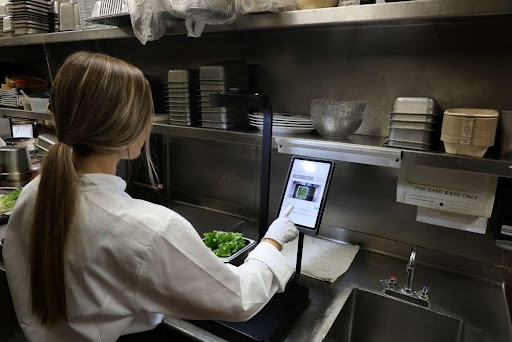
This is where food waste analytics software becomes valuable. It tracks wasted ingredients, identifies patterns, and highlights which items are regularly discarded. Managers can then adjust purchasing decisions, menu planning, or portion sizes based on actual kitchen behavior.
Many businesses choose food operations analytics software because it connects purchasing, staffing, and reporting within one system.
For example, if a kitchen throws away large amounts of prepared rice every evening, the software can reveal the pattern immediately. Instead of repeating the same mistake daily, teams can prepare smaller batches and reduce unnecessary waste.
Over time, small improvements like these can create major savings for food businesses.
Automation Helps Kitchens Work Faster With Less Effort
Many kitchens still spend hours handling repetitive administrative work. Staff members manually check inventory, update reports, or organize schedules. These tasks consume time that could be spent improving food quality and customer service.
Modern AI kitchen management software simplifies these responsibilities through automation. Instead of relying entirely on manual tracking, the system automatically records data and creates reports.
Kitchen automation technology can support operations by:
- Tracking ingredient movement automatically
- Sending alerts for low stock levels
- Monitoring equipment performance
- Predicting busy service periods
- Improving scheduling accuracy
Automation does not replace kitchen staff. Instead, it helps employees focus on more important responsibilities while reducing human error during busy shifts.
As repetitive tasks become automated, kitchens save valuable time every day. This leads to smoother operations, faster preparation, and better efficiency across the entire kitchen environment.
Better Tracking Creates Faster and More Organized Kitchens
Consistency matters in every food business. Customers expect the same quality, portion size, and service speed during every visit. Without reliable systems, maintaining that consistency becomes difficult.
Commercial kitchen analytics helps managers compare operational performance across different shifts, locations, or menu categories. If one shift consistently produces slower ticket times, managers can investigate the reason.
These insights also support employee training. Teams can identify which workflows create delays and adjust processes accordingly. As a result, kitchens improve coordination while maintaining better service standards.
More organized workflows also reduce confusion between stations. This allows kitchens to handle larger order volumes without sacrificing speed, quality, or accuracy.
The Future of Efficient Kitchens Starts With Better Data
Efficient kitchens rely on more than hard work alone. They also depend on accurate data, organized workflows, and smarter operational planning. As food businesses continue facing rising costs and higher customer expectations, technology plays a larger role in daily kitchen success.
From reducing waste to improving inventory control, digital tools help kitchens operate with greater speed and accuracy. More importantly, they give managers clearer visibility into what is working and what needs improvement. When food operations analytics software is used correctly, kitchens respond faster to operational changes. With stronger reporting, automation, and real-time tracking, kitchens can create smoother operations while supporting long-term business growth.
Choosing the right system also improves communication between front-of-house teams and kitchen staff. When orders, inventory updates, and preparation timelines stay connected, employees spend less time fixing avoidable mistakes. That creates a smoother experience for customers while helping businesses protect profit margins. Even smaller kitchens can benefit from using smarter operational tools daily to support growth.