
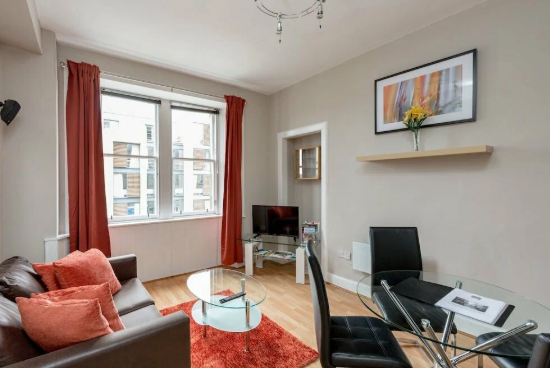
Choosing a rental home is about more than finding an attractive interior or an affordable monthly payment. The right property should fit your routine, location needs, household size, and expectations from a tenancy. When exploring flats for rent in Bangalore, assess the neighbourhood, condition of the home, building arrangements, and agreement terms together. A careful comparison helps you avoid paying for features you rarely use or overlooking practical details that matter after moving in.
Define What You Need From Your Next Home
Start with the way you expect to use the space. A working professional may need a quiet corner for calls, dependable internet access, and a manageable commute. A family may place greater importance on bedrooms, storage, a functional kitchen, nearby schools, and access to healthcare. People sharing accommodation may prioritise privacy, usable common areas, and clear arrangements for household expenses.
Separate non-negotiable needs, such as lift access or parking, from preferences like a balcony or clubhouse. This makes comparisons more objective and prevents attractive extras from distracting you from the basics.
Choose a Neighbourhood That Works Every Day
Location affects time, travel costs, and quality of life. Consider the distance to your workplace, school, public transport, grocery shops, medical facilities, and regular social commitments. In Bangalore, traffic can change significantly by route and time. Check your likely commute during peak hours instead of relying only on estimated travel times.
Notice street lighting, road conditions, noise, parking pressure, and access to public transport. Also check whether essential services are available without depending on a long drive.
Understand the Complete Rental Cost
Monthly rent is only one part of the expense. Ask whether maintenance, parking, water, electricity, internet, and society charges are included or billed separately. Confirm the security deposit, payment date, advance requirements, and the conditions under which deductions may be made when you leave.
Discuss rent revisions and renewal terms before agreeing. Compare the total expected cost across shortlisted homes rather than selecting the lowest advertised rent. A slightly higher monthly amount may be reasonable if the property reduces commuting expenses or includes facilities you would otherwise pay for separately.
Evaluate the Home During a Visit
A viewing should help you understand how the property functions, not just how it looks. Check water pressure, taps, drainage, electrical points, lights, doors, windows, and locks. Look for damp patches, leakage marks, peeling paint, ventilation problems, and signs of pests. Test appliances and fixtures that the owner has agreed to include.
Consider natural light, room dimensions, storage, and mobile network reception. Ask about the regularity of water supply, power backup, and responsibility for repairs. If something needs fixing before move-in, record the issue and agree on a completion date with the owner.
Ask whether the flat is furnished, semi-furnished, or unfurnished, and request an itemised list of included furniture and appliances. Check the condition of each item and clarify who will arrange repairs or replacement if something stops working. If you need to install appliances, curtains, or storage, confirm any restrictions with the owner first. This avoids disagreements about alterations and handover expectations.
Check the Building and Shared Facilities
The condition of common areas can influence everyday comfort. Observe lifts, staircases, corridors, entrances, waste disposal areas, parking spaces, and security arrangements. Ask how maintenance requests are handled and who is responsible for resolving problems in shared facilities.
Clarify visitor entry procedures, delivery access, parking allocation, pet rules, and restrictions on using common spaces. Households with children, older adults, or people with mobility needs should consider ramps, lift access, and the route from the entrance to the flat.
Confirm the Landlord and Rental Authority
Before transferring money, establish who is offering the property and whether that person has the authority to rent it. Ask for appropriate ownership evidence and verify the landlord’s identity. Suppose an authorised representative is managing the arrangement, request written authorisation. Ensure the details of the parties and property are accurately recorded in the rental agreement.
Tenants do not need to approach a rental decision as though they are purchasing the property. Focus on confirming the landlord’s authority, the identity of the parties, the agreed rent, and any restrictions that could affect occupancy.
Read the Rental Agreement Carefully
The agreement should clearly state the rent, security deposit, tenancy period, payment dates, notice period, renewal conditions, and responsibilities for repairs and maintenance. It should also explain utility payments, permitted occupants, use of furnishings, and the process for returning the deposit. Make sure verbal promises about repairs, appliances, or parking are recorded in writing.
Stamp duty and registration requirements depend on the applicable state law and the term of the agreement. In Karnataka, check the current rules for the specific rental arrangement before signing, including whether registration is required. Do not assume that requirements used in another state apply in Bangalore.
Make Shared Accommodation Terms Clear
A shared home requires additional clarity about bedrooms, storage, kitchen use, cleaning, visitors, quiet hours, and the division of utility bills. Confirm which facilities are private and which are shared. Discuss how household purchases and maintenance costs will be handled, and understand the notice needed if one occupant decides to leave.
For a shared rental, concentrate on compatibility, privacy, house rules, and the written terms of occupancy rather than buyer-related checks or charges.
Compare Options Before Making a Commitment
After viewing properties, compare them against the same practical criteria: location, commute, total cost, condition, building facilities, safety, and agreement terms. Avoid paying without a receipt, and make sure the payment recipient and purpose are clear.
A suitable rental is not necessarily the newest or most expensive home. It is one that meets essential needs, fits the budget, and comes with clear, workable terms.
Conclusion
A well-chosen rental home should make everyday life easier while keeping costs and responsibilities understandable. Assess the neighbourhood, inspect the property, confirm the landlord’s authority, and read every agreement clause before committing. Clear communication and documented terms can prevent avoidable disputes later. With a practical evaluation of these details, you can choose flats for rent in Bangalore that suit your household, budget, and daily routine with confidence.
With a focus on convenience, transparency, and dependable assistance throughout the rental journey, Homish helps tenants discover rental homes through verified listings, direct owner connections, property visits, and documentation assistance. The rental process is designed to keep charges clear: after a rental deal closes, the tenant pays a fee equal to seven days’ rent, and the property owner pays the same amount. Shared accommodation carries a ₹499 fee. No rental fee is charged before successful closure. Customers can review the agreed terms beforehand.