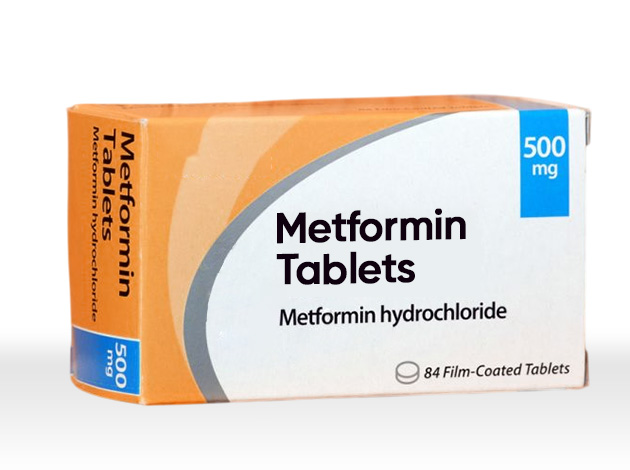
Metformin Drug Dosage
If you or a loved one has been diagnosed with type 2 diabetes, you’ve almost certainly heard of metformin. It’s the most commonly prescribed first-line medication for diabetes worldwide and for good reason. Metformin is effective, safe, inexpensive, and widely available.
But here’s something many patients don’t realize: metformin comes in several different types. The medication you take can vary in how quickly it releases into your body, how often you need to take it, and even its physical form (pill vs. liquid).
This guide explains everything you need to know about the different types of metformin, how they work, and most importantly, how they should be adjusted if you have kidney concerns. Whether you’re newly prescribed metformin or considering a switch to a different formulation, this information will help you have an informed conversation with your doctor.
What Is Metformin?
Metformin (N, N-dimethylbiguanide) is an oral medication that lowers blood sugar in people with type 2 diabetes. It works primarily by:
- Reducing glucose production in the liver (hepatic gluconeogenesis)
- Decreasing intestinal absorption of glucose from food
- Improving insulin sensitivity, helping your body use insulin more effectively
In 2018, metformin was prescribed over 80 million times, making it the fourth most commonly prescribed drug in the United States. It’s also included on the World Health Organization’s Model List of Essential Medicines, reflecting its importance in both high-resource and low-resource healthcare settings.
Beyond diabetes, metformin is sometimes prescribed off-label for polycystic ovary syndrome (PCOS), gestational diabetes, and obesity, though these uses are not licensed in all countries.
The Main Types of Metformin
Metformin is available in three primary oral formulations, plus a liquid version. Each has distinct characteristics that may make it more suitable for different patients.
1. Metformin Immediate-Release (IR)
Brand names: Glucophage, Riomet (liquid form), generic versions
Immediate-release metformin is the original formulation. As the name suggests, it releases the medication into your system quickly after you take it.
Key characteristics:
- Rapid absorption in the upper small intestine
- Typically taken 2-3 times daily with meals
- Available strengths: 500 mg, 850 mg, and 1000 mg tablets
- Also available as an oral solution (100 mg/mL) under the brand name Riomet
Standard adult dosing (IR tablets or solution):
- Starting dose: 500 mg twice daily OR 850 mg once daily, taken with meals
- Titration: Increase by 500 mg weekly or 850 mg every 2 weeks based on blood sugar control and tolerability
- Maximum dose: 2,550 mg per day (divided into 2-3 doses)
Who might prefer IR: Patients who need flexible dosing or have difficulty swallowing large pills (the liquid form is available).
2. Metformin Extended-Release (XR or ER)
Brand names: Glucophage XR, Glumetza, Riomet ER, generic versions
Extended-release metformin is designed to dissolve slowly as it passes through your digestive tract. This gradual release provides several advantages over the immediate-release version.
Key characteristics:
- Slower absorption reduces peak concentrations in the small intestine
- Typically taken once daily with the evening meal
- Available strengths: 500 mg, 750 mg, and 1000 mg tablets
- Also available as an extended-release oral suspension (500 mg/5 mL) under the brand name Riomet ER
Standard adult dosing (XR tablets or suspension):
- Starting dose: 500 mg once daily with dinner
- Titration: Increase by 500 mg weekly
- Maximum dose: 2,000 mg per day
Switching from IR to XR: Patients already taking metformin IR can usually switch to XR at the same total daily dose, up to 2,000 mg/day.
3. Metformin Delayed-Release (DR)
Delayed-release metformin is a newer formulation with a specialized enteric coating that dissolves only when it reaches the ileum (the lower part of the small intestine), at a pH of 6.5 or higher.
Key characteristics:
- Targeted delivery to the lower intestine
- Reduced systemic absorption compared to IR
- Designed to maximize gut-based mechanisms of action while minimizing side effects
Clinical evidence: Research suggests that delayed-release metformin is strongly associated with reduced gastrointestinal side effects compared to immediate-release metformin. One meta-analysis found that patients taking DR were less than half as likely to experience GI side effects as those taking IR (odds ratio 0.45).
4. Combination Products
Metformin is also available in fixed-dose combination tablets with other diabetes medications, including:
- Glipizide/metformin (brand names: Metaglip, generic)
- Sitagliptin/metformin (Janumet)
- Empagliflozin/metformin (Synjardy)
- Linagliptin/metformin (Jentadueto)
These combinations can simplify medication regimens for patients who need multiple diabetes drugs.
Metformin and Kidney Disease
This is one of the most important topics for metformin users. Metformin is cleared from your body by the kidneys. If your kidney function is reduced, metformin can accumulate, potentially increasing the risk of lactic acidosis, a rare but serious side effect.
Understanding eGFR
Your doctor assesses your kidney function using a measurement called estimated glomerular filtration rate (eGFR), reported in mL/min/1.73m². This number tells you how well your kidneys are filtering waste from your blood.
Renal Dosing Guidelines by eGFR
Based on current evidence from major guidelines, including KDIGO (Kidney Disease: Improving Global Outcomes) and FDA labeling, here are the recommendations:
| eGFR (mL/min/1.73m²) | Metformin Recommendation | Maximum Daily Dose |
| ≥ 45 | Safe to use; monitor eGFR every 3-12 months | 2,000-2,550 mg (standard dosing) |
| 30-44 | Can continue but with dose reduction; monitor eGFR every 3-6 months | 1,000 mg (reduce by 50%) |
| < 30 | Contraindicated discontinue use | Not recommended |
Important notes:
- In the 30-45 range, initiation of metformin is generally not recommended in the US, though patients already on it may continue with a reduced dose and careful monitoring.
- The UK guidelines suggest a slightly different approach: reduce to 500 mg twice daily if eGFR is 30-44, and stop if eGFR falls below 30.
Exciting New Research: Reconsidering the eGFR < 30 Restriction
For years, metformin has been strictly contraindicated when eGFR drops below 30. However, emerging evidence is challenging this long-held position.
A 2024 study published in the American Journal of Kidney Diseases followed over 4,000 metformin users who developed advanced CKD (eGFR < 30). The researchers found that stopping metformin was associated with a 23% higher risk of 3-year all-cause mortality compared to continuing the medication.
Another study from Hong Kong (over 33,000 patients) found that stopping metformin was associated with:
- 22% higher risk of death
- 40% higher risk of major cardiovascular events
- 52% higher risk of kidney failure
Crucially, neither study found an increased risk of lactic acidosis in patients who continued metformin with eGFR < 30.
The bottom line: While current official guidelines still recommend discontinuing metformin when eGFR falls below 30, this is an active area of research. Some experts now suggest that for carefully selected patients without other risk factors, continuing metformin at a reduced dose may provide significant survival benefits.
When to Temporarily Stop Metformin?
Even if your kidney function is stable, you should temporarily discontinue metformin in certain situations:
- Before iodinated contrast imaging (CT scans, angiograms), especially if eGFR is between 30-60 or you have liver disease, heart failure, or alcohol use disorder. Restart 48 hours after the procedure if kidney function is stable.
- During severe acute illness with vomiting, diarrhea, or dehydration, these can cause acute kidney injury and increase the risk of lactic acidosis.
- If you develop sepsis or a severe infection.
- If you experience acute heart failure or respiratory insufficiency.
Side Effects: What to Expect?
Gastrointestinal Issues: The Most Common Complaint
Between 20-30% of patients report gastrointestinal side effects from metformin, and approximately 5% discontinue treatment because of severe symptoms. Common GI side effects include:
- Nausea
- Diarrhea
- Abdominal discomfort
- Loss of appetite
Strategies to reduce GI side effects:
- Start with a low dose and titrate slowly (“start low, go slow”)
- Take metformin with meals
- Switch to the extended-release formulation
- Consider a delayed-release formulation (associated with significantly fewer GI issues)
Vitamin B12 Deficiency
Long-term metformin use can interfere with vitamin B12 absorption. The 2025 KDIGO guidelines recommend regular B12 screening for patients on long-term metformin therapy.
Lactic Acidosis: Rare But Serious
Lactic acidosis is a rare but potentially fatal side effect of metformin accumulation. The incidence is extremely low, much lower than with the older drug phenformin, which was withdrawn from the market due to this risk.
Risk factors for lactic acidosis include:
- Advanced CKD (eGFR < 30)
- Acute kidney injury
- Sepsis
- Acute heart failure
- Severe liver disease
- Alcoholism
- Respiratory failure
Pros and Cons of Different Metformin Types
Metformin Immediate-Release (IR)
| Pros | Cons |
| Lowest cost | Highest rate of GI side effects |
| Most widely available | Requires 2-3 daily doses |
| Flexible dosing | More frequent dosing = more chances to miss doses |
| Available as a liquid for those who can’t swallow pills |
Metformin Extended-Release (XR)
| Pros | Cons |
| Once-daily dosing (easier adherence) | Slightly more expensive than IR |
| Reduced GI side effects compared to IR | Maximum dose lower (2,000 mg vs. 2,550 mg) |
| Associated with lower LDL cholesterol | May not be available in all pharmacies |
| Equivalent blood sugar control |
Metformin Delayed-Release (DR)
| Pros | Cons |
| Significantly fewer GI side effects | Newer = less long-term data |
| May improve medication adherence | Maybe more expensive |
| Equivalent blood sugar control | Limited availability |
Frequently Asked Questions
Is one type of metformin better than another?
Not all types are equally effective at lowering blood sugar. The “best” type depends on your individual needs. If you have GI side effects, XR or DR may be better. If cost is your main concern, IR is the most affordable.
Can I switch from immediate-release to extended-release?
Yes. Your doctor can switch you to the same total daily dose of extended-release metformin, up to 2,000 mg/day.
Do I need to adjust my metformin dose if I have kidney disease?
Yes. If your eGFR is between 30 and 45, your dose should be reduced (typically to 1,000 mg/day or less). If your eGFR is below 30, current guidelines recommend stopping metformin entirely.
What is the maximum daily dose of metformin?
- Immediate-release: 2,550 mg/day
- Extended-release: 2,000 mg/day
Does metformin cause weight loss?
Metformin is associated with modest weight loss, though the effect is small. One meta-analysis found a non-significant decrease of about 1 kg (2.2 lbs) with XR compared to IR.
How often should my kidney function be checked?
- If eGFR ≥ 60: At least annually
- If eGFR 45-60: Every 3-6 months
- If eGFR 30-45: Every 3-6 months, with careful monitoring
Can I take metformin if I’m over 80 years old?
Yes, but with caution. Your doctor should measure your kidney function (eGFR) before starting metformin, as kidney function naturally declines with age.
Conclusion
Metformin remains the gold standard first-line treatment for type 2 diabetes and for good reason. It’s effective, safe, affordable, and now available in multiple formulations to suit different patient needs.