
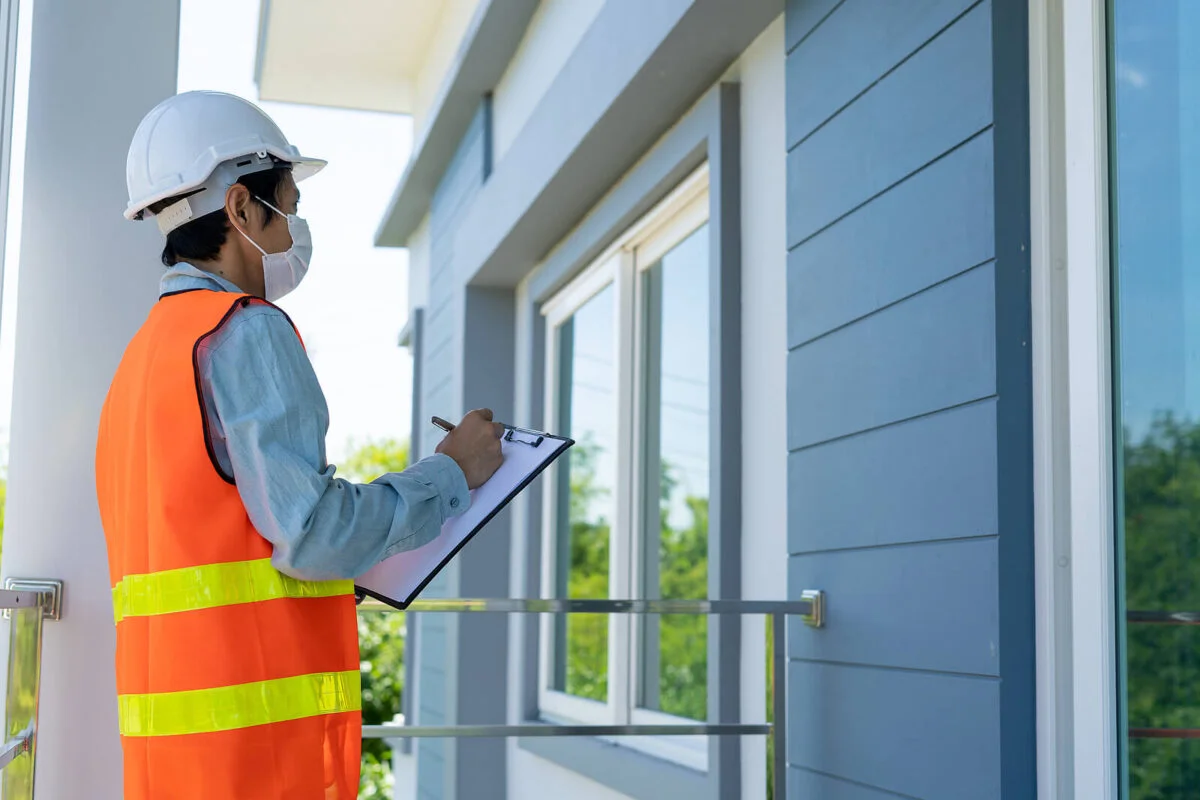
Radon is a naturally occurring radioactive gas that can enter buildings through cracks, gaps, openings, and other pathways connected to the ground. Because radon cannot be seen, smelled, or tasted, testing is the primary way to determine its level inside a property. A Radon Inspection can help homeowners, buyers, sellers, and property managers understand whether additional testing or mitigation may be appropriate.
What Is a Radon Inspection
A Radon Inspection involves evaluating indoor conditions for the presence and concentration of radon gas. Depending on the purpose of the inspection, testing may be performed using short-term or long-term methods. Testing equipment is placed in an appropriate area and operated according to the applicable testing procedure.
Why Radon Testing Matters
Radon can enter properties from the soil beneath or around a building. Concentrations can vary between rooms, floors, seasons, and buildings. A Radon Inspection provides measurement information that can help property owners determine whether further action may be needed.
How Radon Enters a Building
Radon can move through small openings in foundations and other areas that connect indoor spaces with the soil. Cracks in concrete, construction joints, gaps around pipes, floor drains, sump pits, and other openings can provide possible pathways. A Radon Inspection in Canterbury can help identify conditions around the property that may be relevant to radon entry.
Radon Testing Methods
Different testing approaches can be used depending on the situation. Short-term tests measure radon over a limited period, while long-term testing can provide information over an extended period. The appropriate method depends on the purpose of the test, property conditions, and applicable guidelines. A Radon Inspection should use equipment and procedures suitable for the testing objective.
Short-Term Radon Testing
Short-term testing is commonly performed over a period ranging from a few days to several months, depending on the test method. It can provide a relatively quick measurement for situations such as a home purchase or an initial evaluation. A Radon Inspection using short-term testing should follow the instructions for the selected device and testing protocol.
Long-Term Radon Testing
Long-term testing can measure radon over a period of more than 90 days. Longer testing periods can provide a broader picture of radon levels because concentrations may change over time. A Radon Inspection using long-term testing may be considered when a more extended measurement is desired.
Where Radon Testing Is Performed
Radon testing is generally conducted in the lowest level of the property that is regularly occupied or could reasonably be used as living space, depending on the testing purpose and applicable guidelines. The testing area should meet the requirements of the selected protocol. A Radon Inspection should be planned so the device is placed in an appropriate location.
Preparing for a Radon Test
Certain conditions may need to be maintained before and during a radon test. Windows and exterior doors may need to remain closed except for normal entry and exit, and equipment should not be moved from its designated location. Specific preparation requirements depend on the testing method. A Radon Inspection should follow the instructions associated with the equipment and applicable testing standards.
Radon and Home Buying
Home buyers may request radon testing as part of the property evaluation process. A test can provide information about the radon level at the time of measurement. A Radon Inspection can be performed alongside a general home inspection or arranged as a separate service when radon is a specific concern.
Radon Inspection for Sellers
Sellers may choose to test a property before listing it. Knowing the measured radon level can provide information for property planning and may help identify whether further evaluation is appropriate. A Radon Inspection can provide documented test results that describe the conditions during the testing period.
Radon in Basements
Basements can be areas of interest for radon testing because they are often close to the soil surrounding or beneath a building. Cracks, floor drains, sump pits, and foundation openings can provide potential pathways for soil gas. A Radon Inspection can measure radon in an appropriate basement or lower-level location when that area meets testing requirements.
Radon in Crawl Spaces
Crawl spaces can have different conditions from basements or finished living areas. Depending on the building and testing purpose, radon may be evaluated in adjacent occupied areas or within the crawl space using an appropriate testing approach. A Radon Inspection should account for the property’s layout and the applicable testing protocol.
Radon in New Construction
New buildings are not automatically free from radon concerns. Soil conditions and construction characteristics can influence how radon enters a structure. Testing can be considered after construction when appropriate. A Radon Inspection can provide measurement information for newly built properties.
Commercial Radon Testing
Commercial buildings can also have radon concerns, particularly in lower levels and areas located close to the ground. Offices, schools, retail properties, warehouses, and other facilities may require testing based on building use and applicable requirements. A Inspection service in Canterbury can help evaluate indoor radon conditions in selected areas.
Radon Test Results
A radon test produces a measurement of the gas concentration during the testing period. Results should be interpreted according to current public health guidance and applicable standards rather than viewed in isolation. If elevated levels are identified, property owners may consider follow-up testing or mitigation guidance from an appropriate qualified professional.
Follow-Up Testing
A single radon measurement represents conditions during a particular testing period. If the result is near or above an applicable action level, additional testing may be recommended depending on the circumstances. A Radon Inspection can help establish an initial measurement, while follow-up testing can provide additional information when needed.
Radon Mitigation
If testing indicates that radon levels are elevated, mitigation may be considered. Radon mitigation systems are designed to reduce radon entry or remove radon from beneath a building before it enters occupied areas. Mitigation is a separate process from testing and should be designed and installed according to applicable standards.
Radon Inspection During Real Estate Transactions
Timing can be important when radon testing is part of a property transaction. Buyers and sellers should understand how long the selected test requires and what conditions must be maintained during the test. A Radon Inspection can provide useful information during the property evaluation period and may help identify the need for additional testing.
Radon Testing Equipment
Radon can be measured using different types of devices, including charcoal-based detectors, continuous radon monitors, and other approved testing equipment. Each method has its own operating requirements and limitations. A Radon Inspection should use suitable equipment that is properly placed and operated according to its testing instructions.
Choosing Radon Inspection Services
Before arranging testing, ask about the testing method, duration, device being used, placement requirements, reporting process, and applicable standards. Property owners should also provide information about the building’s foundation, basement, crawl space, and previous radon testing when available. A Radon Inspection should clearly explain the testing process and provide the resulting measurement information.
Understanding Radon Inspection Limitations
Radon levels can change over time because of weather, ventilation, building operation, soil conditions, and other factors. A test cannot predict the exact radon level that will occur at every future point. A Radon Inspection measures conditions during the specific testing period and should be interpreted within that context.
Maintaining Awareness of Radon Levels
Radon testing can provide useful information about indoor environmental conditions. Properties that have never been tested may benefit from an initial assessment, while previous test results can provide a reference for future testing when circumstances change. A Radon Inspection can help homeowners, buyers, sellers, and property managers understand measured radon levels and determine whether follow-up testing or mitigation should be considered.