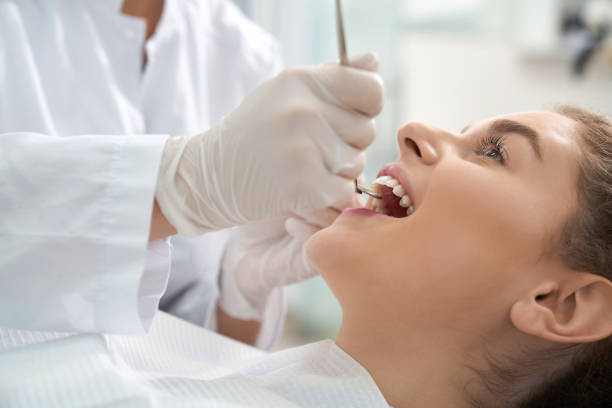
Going to the dentist is one of those things people are very good at putting off. If a tooth isn’t hurting, there’s always something else that seems more important. Work, family, errands, bills. You know how it goes. But teeth can have problems long before they start hurting, and that’s one reason routine checkups matter. When people talk about finding the Best Dentistry, they sometimes focus only on advanced treatments or cosmetic work. Fair enough, those things have their place. Still, basic preventive care is where a lot of good dental health starts. A checkup, a cleaning, and a quick conversation with your dentist can tell you quite a bit about what’s happening inside your mouth.
A Tooth Can Have a Problem Without Telling You
This is probably the biggest reason not to skip regular examinations. Some cavities don’t hurt in the beginning. Neither do all gum problems. You might eat, drink, brush your teeth and carry on with your normal day without having any idea that something is developing. Your dentist is looking for those quieter signs. Maybe there’s a small area of decay. Maybe an old filling is starting to wear out. Maybe one tooth is getting more pressure than the others because you grind your teeth at night. These aren’t things most people can spot by looking in the bathroom mirror. Finding them early can also mean dealing with them before they become a much bigger headache.
Cleaning Your Teeth at Home Has Its Limits
There’s nothing wrong with brushing your teeth twice a day. You should. But even someone who is pretty serious about oral hygiene can miss certain spots. Plaque likes hiding along the gumline and in those tight spaces between teeth. If it stays there long enough, it can harden into tartar. At that point, brushing harder isn’t the answer. In fact, brushing aggressively can irritate your gums and still won’t remove hardened tartar. A professional cleaning takes care of the buildup that your toothbrush and floss simply can’t handle. Afterward, your mouth feels cleaner, sure, but it’s not really about that fresh feeling. The bigger benefit is keeping all that buildup from sitting around your teeth month after month.
Bleeding Gums Shouldn’t Just Be Brushed Off
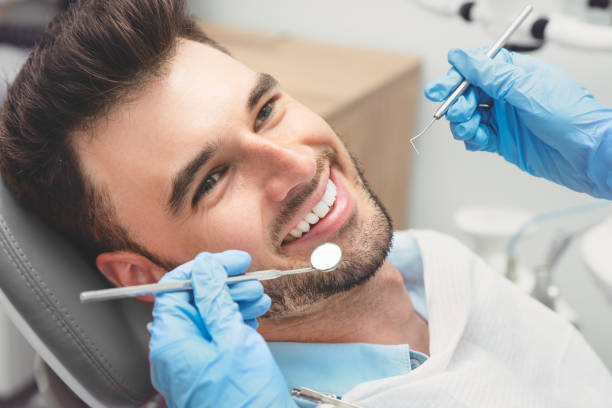
A little blood when brushing can be easy to dismiss. People often think they used too much pressure or maybe their toothbrush is getting old. Sometimes that is the reason. Sometimes it isn’t. Repeated bleeding, swelling, soreness, or redness around the gums can point to gum irritation or disease. It’s worth having someone take a look rather than guessing. Gum problems can become more difficult to manage when they’re ignored for too long. Regular examinations give the dental team an opportunity to notice changes and explain what needs attention. And no, you don’t have to wait until your gums are seriously sore before mentioning it.
Your Dentist May Notice Your Everyday Habits
Some dental damage comes from things people barely think about. Chewing ice. Biting pens. Clenching the jaw during stressful days. Grinding while sleeping. Even brushing with way too much force can cause problems over time. You may not notice the effect because it happens gradually. A dentist can often see the wear patterns, small chips, sensitivity, or changes in the enamel. That can lead to a pretty simple conversation: “Are you doing this?” Sometimes the answer is yes, and you didn’t even realize it was affecting your teeth. A small adjustment at that stage can save you from needing more involved treatment later.
Keeping the Whole Family on Track Helps
Dental appointments can become chaotic when every member of a household has a different schedule and a different idea about whether they actually need to go. Kids especially can be unpredictable about dentists. One visit they’re fine, the next they suddenly have a hundred reasons why they shouldn’t sit in the chair. Having a familiar Family Dentist can make those visits feel less like a big event. Children can have their developing teeth checked regularly, while adults can deal with fillings, gum concerns, sensitivity, worn teeth, and routine cleanings. It also gives parents a chance to build dental care into the family routine instead of treating it like an emergency task.
Your Daily Routine Still Matters More Than You Think
A dental appointment every six months, or whatever schedule your dentist recommends, doesn’t cancel out what you do at home. The boring stuff still counts. Brush properly. Clean between your teeth. Don’t ignore the areas that always seem to collect plaque. If you’re using a toothbrush like you’re scrubbing a kitchen floor, ease up a little. Your gums don’t need that kind of treatment. And if flossing has always been the thing you avoid, ask your dental professional about other ways to clean between the teeth. There are options. What matters is getting those hard-to-reach areas cleaned regularly.
Don’t Make Tooth Pain Your Reminder
Waiting for pain is a bit like waiting for your car to stop before deciding it needs maintenance. Sometimes it works out. Usually, it’s not the smartest approach. Dental problems can grow quietly, and once pain appears, the situation may be more complicated than it would have been a few months earlier. This is also why small changes are worth mentioning during appointments. A tooth that suddenly feels sensitive to cold. Food getting stuck in a new spot. A little tenderness when chewing. None of these automatically means something serious is happening, but they’re worth bringing up. Your dentist can check it instead of you spending three weeks wondering what’s going on.
Conclusion: A Little Prevention Goes a Long Way
Routine checkups and cleanings aren’t glamorous, and there’s no reason to pretend otherwise. They’re simply part of looking after your teeth before something forces you to. A regular visit can catch decay early, remove tartar, check the gums, look for unusual wear, and give you a better idea of whether your home routine is actually working. Sometimes the appointment ends with nothing more than a cleaning and a “see you next time.” That’s a good outcome. In fact, that’s exactly the kind of boring dental visit most people should want. Keeping things boring is often a lot easier than fixing a problem that was left alone for too long.