From elite athletes looking to slash their post-training recovery times to wellness enthusiasts seeking a metabolic boost, a growing number of people are turning to extreme cold for answers. Once considered a niche treatment reserved for sports science labs, cryotherapy has entered the mainstream healthcare and wellness conversation globally.
But what exactly happens to your body when you submerge it in sub-zero temperatures, and is it worth the chill?
This comprehensive, evidence-based guide breaks down the science behind cryotherapy, explores the different treatment modalities, details its primary health benefits, and outlines what you can expect during a typical clinical session.
What is Cryotherapy?
Cryotherapy derived from the Greek words cryo (cold) and therapeia (cure) is an umbrella term for any medical or wellness treatment that involves exposing the body to extreme cold temperatures for a brief period.
The physiological principle behind cryotherapy is simple: sudden exposure to freezing temperatures triggers a systemic “fight-or-flight” response. This causes blood vessels to constrict (vasoconstriction), redirecting blood away from the extremities toward the vital organs to protect core body temperature. Once the cold exposure ends, the body undergoes rapid vasodilation, flushing the tissues with highly oxygenated, nutrient-rich blood to accelerate healing and reduce systemic inflammation.
Types of Cryotherapy Treatments
Depending on your health goals, cryotherapy can be delivered in a variety of formats. These generally fall into two primary categories:
Whole-Body Cryotherapy (WBC)
In whole-body cryotherapy, a patient steps into an enclosed chamber often called a cryosauna or cryochamber. The chamber is cooled using liquid nitrogen or electrical refrigeration systems to temperatures ranging between -110°C and -140°C. The patient remains in the chamber for a strict duration of two to three minutes, wearing minimal clothing (usually shorts, a sports bra, gloves, socks, and thermal shoes) to protect the extremities from frostbite.
Localized Cryotherapy
If you are dealing with a specific injury, localized cryotherapy is a highly targeted alternative. A trained technician uses a specialized device to stream a controlled beam of liquid nitrogen vapor directly onto a single area of the body, such as a swollen knee, a sprained ankle, or the lower back. This allows the skin temperature of that specific tissue to drop rapidly without cooling the entire body.
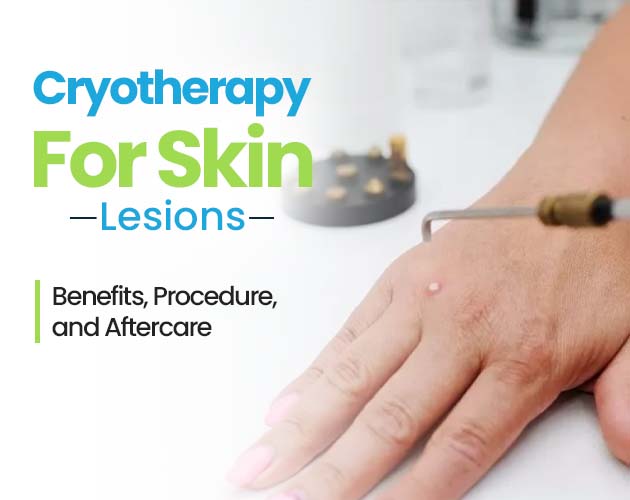
Note: In dermatological medicine, a specific type of localized cryotherapy known as cryosurgery is used by clinicians to freeze off abnormal tissues, such as skin tags, warts, or pre-cancerous actinic keratoses, using liquid nitrogen.
Primary Health Benefits of Cryotherapy
The therapeutic application of extreme cold offers a diverse array of physical and physiological benefits, supported by sports medicine and clinical dermatology.
Accelerates Muscle Recovery and Reduces Pain
The most popular use of cryotherapy is post-exercise recovery. By restricting blood flow to inflamed tissues immediately after heavy exertion, cryotherapy mimics and enhances the effects of a traditional ice bath. It significantly limits delayed onset muscle soreness (DOMS), allowing athletes to return to peak training volume faster.
Manages Chronic Inflammation and Joint Stiffness
For individuals living with autoimmune or degenerative joint conditions like rheumatoid arthritis or osteoarthritis, chronic inflammation is a constant struggle. Regular cryotherapy sessions have been shown to temporarily lower inflammatory markers in the bloodstream, providing natural, non-pharmaceutical pain relief and improving joint mobility.
Boosts Metabolic Rate and Energy Levels
When your body is exposed to extreme cold, it must work incredibly hard to maintain its internal core temperature. This thermoregulatory response stimulates the conversion of white fat tissue into metabolically active brown fat tissue, increasing calorie expenditure. Additionally, the sudden cold burst triggers a massive release of endorphins and adrenaline, resulting in an immediate surge of energy and mood enhancement.
Enhances Skin Health and Collagen Production
When localized cryotherapy is applied to the face (often called a “cryofacial”), the intense cold triggers an immediate tightening of the skin and constricts the pores. Once the treatment concludes, the rush of fresh, nutrient-dense blood to the facial tissues stimulates collagen production, helping to smooth out fine lines, reduce puffiness, and improve overall skin elasticity.
Frequently Asked Questions
Is cryotherapy safe for everyone?
While generally safe for healthy individuals, cryotherapy is contraindicated for people with certain medical conditions. Because the extreme cold temporarily elevates blood pressure, individuals with unmanaged hypertension, deep vein thrombosis (DVT), a history of stroke, severe peripheral vascular disease, or Raynaud’s phenomenon should strictly avoid it. Always clear the treatment with a doctor first.
Does cryotherapy hurt?
Cryotherapy is not painful, but it can feel intensely uncomfortable for the first 60 seconds. The feeling is best described as standing in front of an open freezer on a winter day while wearing a swimsuit. Because the air inside the chamber is completely dry, the cold is far more tolerable than submerging your body into freezing water.
How often should you get cryotherapy to see results?
For acute muscle injury or recovery from an intense athletic event, 1 to 2 sessions can provide immediate relief. For chronic inflammatory management, metabolic stimulation, or skin rejuvenation, clinics typically recommend a consistent protocol of 2 to 3 sessions per week for the first month, followed by monthly maintenance visits.
Can I do cryotherapy if I have skin tags or warts?
Yes, but this requires a specific clinical procedure performed by a qualified healthcare provider or dermatologist rather than a commercial wellness center. Clinical cryosurgery uses ultra-targeted liquid nitrogen application to freeze and safely remove skin lesions over the course of a few weeks.
Conclusion
Whether you are aiming to break through an athletic training plateau, naturally manage a chronic pain condition, or simply boost your metabolic health, cryotherapy offers a fast, efficient, and scientifically validated solution. By leveraging your body’s natural survival mechanisms, this sub-zero treatment encourages deep tissue recovery, skin remodeling, and systemic cellular renewal.