
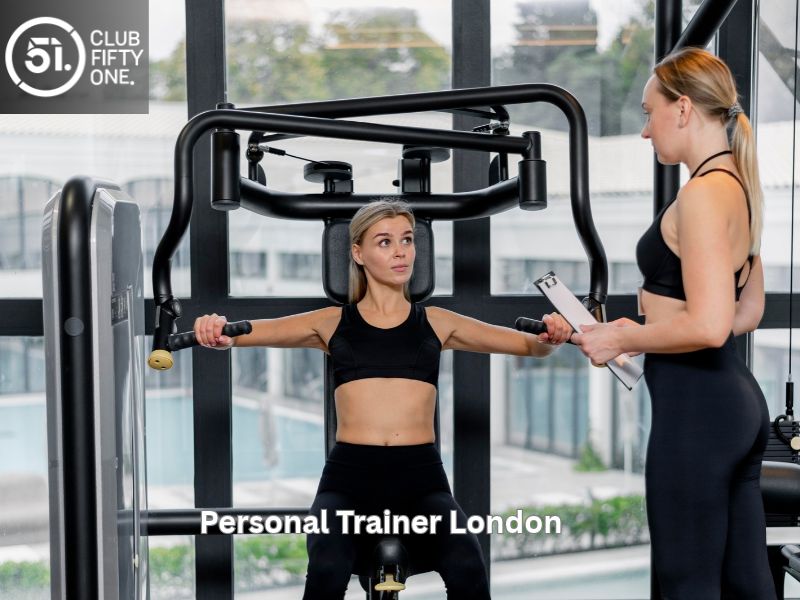
Staying fit and healthy is important for a better quality of life. However, finding the time to exercise can be difficult when you have a busy work schedule, family duties, and other daily responsibilities. Even when you visit the gym regularly, you may find it hard to follow the right workout plan or achieve your fitness goals. Working with a professional trainer can help you overcome these challenges and make your fitness journey easier.
Choosing a Personal Trainer London service is an important decision because the right trainer can help you create a suitable workout plan, learn correct exercise techniques, and stay motivated. Whether you want to lose weight, build muscle, improve strength, or increase your energy, having a clear fitness plan can help you make steady progress.
Before choosing a trainer, you should consider their experience, training methods, communication skills, and ability to understand your needs. You should also look at the location, available services, and cost to make sure the programme suits your lifestyle.
Club 51 is a fitness studio in Marylebone, London, that focuses on personalised training, fitness assessments, nutrition, recovery, and overall wellbeing. Its individual approach makes it an option worth considering for people searching for a reliable Personal Trainer Marylebone service.
1. Know Your Fitness Goals
Before choosing a trainer, take some time to understand what you want to achieve. Different people have different fitness needs, so knowing your goals will help you find a suitable training programme.
For example, you may want to lose weight, build muscle, improve flexibility, increase stamina, or become stronger. You may also want to develop a regular exercise habit and feel more active throughout the day.
Write down your main goals and discuss them with a potential trainer. A good trainer should listen to your needs and explain how a suitable programme could help you work towards them.
Your goals should be realistic and easy to measure. Instead of expecting a major change within a few days, focus on small improvements that you can maintain over time.
When looking for a Personal Trainer London service, choose someone who understands your priorities and can create a plan based on your current fitness level, schedule, and experience.
2. Check the Trainer’s Qualifications and Experience
A trainer’s qualifications and experience are important factors to consider before starting a fitness programme. Professional training helps trainers understand exercise techniques, workout planning, and safe ways to support clients.
Ask about the trainer’s qualifications, relevant certifications, and experience working with people who have goals similar to yours. For example, if you are new to exercise, you may prefer a trainer who regularly works with beginners.
If your main goal is strength training, weight management, or improving sports performance, ask whether the trainer has suitable experience in that area.
It is also important to understand the limits of a trainer’s role. Personal trainers can help with exercise and general fitness, but they do not replace doctors, physiotherapists, or other qualified healthcare professionals.
Taking time to check these details can help you make a more informed choice and feel more confident before beginning your training sessions.
3. Look for a Personalised Training Plan
Every person has a different body, fitness level, lifestyle, and exercise history. A workout plan that works well for one person may not be suitable for another.
A good trainer should consider your goals, current ability, daily routine, and preferences before creating a programme. Your plan may include strength exercises, cardiovascular activity, mobility work, and suitable recovery periods.
For example, someone who spends most of the day sitting at a desk may need a programme that includes regular movement, strength exercises, and mobility activities. Someone who already exercises regularly may need a different plan to improve performance.
Personalised training should also change as your fitness improves. Exercises may become more challenging over time, while the trainer can adjust activities that do not suit your needs.
When comparing a Personal Trainer London service, ask how the trainer plans workouts, reviews progress, and adapts sessions when your goals or schedule change.
4. Consider the Location and Convenience
Location can make a big difference in how regularly you attend your training sessions. If reaching the gym takes too much time, it may become harder to maintain your exercise routine.
Choose a fitness studio that fits conveniently into your daily schedule. Consider how far it is from your workplace or home, the available transport options, and the time needed to reach your sessions.
For people who live or work in central London, Marylebone may be a convenient area for personal training. Choosing a nearby studio can make it easier to fit exercise around work meetings, commuting, and other responsibilities.
Club 51 is located at 51 New Cavendish Street in Marylebone, London. Its location may suit people who want to combine their fitness sessions with their regular routine in the area.
Before joining, check the studio’s current opening hours, appointment availability, and travel options. A convenient location can help you build a consistent training habit.
5. KNow the Cost of Personal Training
The cost of personal training can vary depending on the trainer’s experience, session length, location, and services included. Before making a decision, make sure you understand the full cost of the programme.
Ask whether sessions are charged individually or through a package. Check whether the price includes fitness assessments, progress reviews, nutrition guidance, or other services.
You should also ask about cancellation policies, missed appointments, payment terms, and any additional fees. Understanding these details in advance can help you avoid unexpected costs.
Do not choose a trainer based on price alone. A low-cost programme may not provide the support you need, while a higher price does not automatically mean better service.
Instead, compare the available options and decide which one offers suitable value for your budget and goals.
The right programme should be financially manageable so that you can continue training consistently rather than stopping after a short period.
6. Ask About Fitness Assessments and Progress Tracking
Tracking progress helps you understand whether your fitness programme is moving in the right direction. Without regular reviews, it can be difficult to know which exercises are helping and where changes may be needed.
Ask whether the trainer conducts an initial fitness assessment. Depending on your goals, this may include reviewing your exercise experience, strength, mobility, stamina, and other relevant fitness measures.
Your trainer can then use this information to help plan your sessions. As you continue training, progress reviews can show improvements and identify areas that need more attention.
Progress does not always mean losing weight or changing your appearance. It may also include lifting heavier weights with good technique, walking for longer, improving balance, or completing exercises more comfortably.
Club 51 highlights personalised fitness assessments as part of its approach. When considering the studio, ask how assessments are carried out and how the results help shape your training plan.
7. Check Communication and Motivation
A good trainer should communicate clearly and make you feel comfortable asking questions. You should understand why you are doing each exercise and how it supports your goals.
Motivation is another important part of fitness. Some days, you may feel energetic and ready to train. On other days, work pressure or tiredness may make exercise more difficult.
A supportive trainer can help you stay focused, recognise your progress, and work through common challenges without placing unnecessary pressure on you.
During an initial discussion, notice whether the trainer listens carefully and explains things in a way you understand. They should respect your concerns and provide feedback that helps you improve.
The relationship should feel professional, positive, and supportive. You should never feel pressured to perform exercises that are unsuitable for your ability or ignore pain during a session.
Choosing a trainer with a communication style that suits you can make your fitness journey more comfortable and enjoyable.
8. Ask About Nutrition and Recovery Support
Exercise is only one part of a healthy lifestyle. Your food choices, sleep, hydration, and recovery habits also affect how you feel and perform.
A suitable trainer can offer general guidance on healthy eating habits and explain how nutrition supports your fitness goals. For example, balanced meals and adequate protein may help support muscle recovery, while proper hydration is important during physical activity.
Recovery is equally important. Your body needs enough rest between challenging workouts to adapt to exercise. A trainer should help you understand how to balance activity with suitable rest periods.
Club 51 highlights nutrition and recovery as part of its wider approach to fitness and wellbeing. This may be useful for people who want to consider more than exercise alone when planning their routines.
Before joining, ask exactly which nutrition or recovery services are available and whether they are included in the training cost. For medical nutrition needs or health concerns, consult an appropriately qualified healthcare professional.
9. Review the Training Environment and Available Equipment
The training environment can affect your comfort, confidence, and overall experience. Before choosing a studio, consider whether the space and available equipment suit your needs.
Look for an environment where you can focus on your workouts and receive suitable guidance. Depending on your goals, you may need access to weights, resistance equipment, cardiovascular machines, or space for mobility exercises.
Cleanliness, equipment maintenance, organisation, and clear safety procedures are also important.
If possible, arrange a visit or introductory discussion before committing to a programme. This gives you an opportunity to understand the setting, ask questions, and decide whether it feels right for you.
You should also ask how sessions are organised and whether your trainer will give you individual attention throughout the workout.
A suitable training environment should support your goals and make you feel comfortable as you learn new skills and build your fitness.
10. Choose a Reliable Personal Training Studio
The final step is to compare your options and choose a trainer or studio that meets your needs. Look at the complete service rather than focusing on one feature.
Consider qualifications, experience, personalised programmes, communication, location, costs, and progress reviews. You should also understand the terms of the service before making a commitment.
Club 51 is worth considering for people searching for a Personal Trainer Marylebone service. Based in Marylebone, London, the studio focuses on personalised fitness, assessments, nutrition, recovery, and overall wellbeing.
Its approach considers individual goals and lifestyle needs rather than relying on the same routine for every client. This can be appealing to people who want a more organised and personalised fitness experience.
Before joining, contact the team to discuss your goals, available training options, session costs, and the qualifications of the trainer who would work with you.
Taking time to compare your options can help you choose a training partner who understands your goals and supports your progress.
Why Choose Club 51 in Marylebone?
Finding a suitable personal trainer can make it easier to build a fitness routine that fits your lifestyle. The right studio should offer a clear approach, professional guidance, and a programme that matches your needs.
Club 51 provides a personalised approach to fitness in Marylebone. Its services and areas of focus include:
- Personalised training: Programmes designed around individual fitness goals and training needs.
- Fitness assessments: Support for understanding your starting point and reviewing progress.
- Nutrition guidance: An approach that considers eating habits alongside exercise.
- Recovery support: Attention to rest and recovery as part of a balanced fitness routine.
- Overall wellbeing: A wider focus on fitness and lifestyle rather than exercise alone.
- Central London location: A Marylebone studio that may be convenient for local residents and professionals.
These features make Club 51 an option worth exploring. The best choice will depend on your goals, budget, schedule, and the services you need.
About Personal Trainer London
1. What should I look for when choosing a personal trainer in London?
Look for relevant qualifications, experience, personalised workout plans, clear communication, suitable training facilities, and transparent prices. Choose someone who understands your goals and can adapt the programme to your fitness level.
2. Is personal training suitable for beginners?
Yes. Personal training can help beginners learn exercise techniques, understand gym equipment, and follow a structured workout plan. A suitable trainer should start at an appropriate level and increase the challenge gradually.
3. How often should I train with a personal trainer?
The right frequency depends on your goals, schedule, budget, and recovery needs. Some people train with a coach several times a week, while others combine occasional sessions with independent exercise.
4. Why should I consider a Personal Trainer Marylebone service?
Choosing a trainer in Marylebone may be convenient if you live or work nearby. A local studio can make it easier to fit training into your daily routine and maintain regular attendance.
5. Can a personal trainer help me lose weight?
A trainer can help you develop an exercise routine and build consistent physical activity habits. Weight management also depends on nutrition, sleep, daily movement, and other individual factors. Results vary from person to person.
6. Why should I consider Club 51?
Club 51 offers a personalised fitness approach in Marylebone, with a focus on training, assessments, nutrition, recovery, and wellbeing. Contact the studio to check which services best match your needs.
7. What should I ask before paying for personal training?
Ask about qualifications, session length, programme costs, cancellation terms, progress tracking, available services, and the trainer’s experience with your goals. Make sure you understand the agreement before committing.
8. How long does it take to see fitness results?
The time needed to see results depends on your starting point, goals, exercise routine, nutrition, sleep, and consistency. Some improvements, such as better exercise technique or stamina, may appear before visible physical changes.
Choosing a personal trainer is an important step towards building a healthier and more active lifestyle. Before making your decision, consider your goals, check qualifications, review the training plan, compare costs, and make sure the location suits your routine.
A good trainer should provide clear guidance, support your progress, and help you develop habits that you can maintain over time. Personal training is not about achieving instant results; it is about making steady improvements through regular exercise, suitable nutrition, and proper recovery.
For people exploring personal training in Marylebone, Club 51 is a reliable option to consider because of its personalised approach and wider focus on fitness and wellbeing. Visit its official website to learn more about the services available and discuss your fitness goals with the team.
Start with realistic expectations, choose a programme that suits your needs, and take consistent steps towards better fitness.