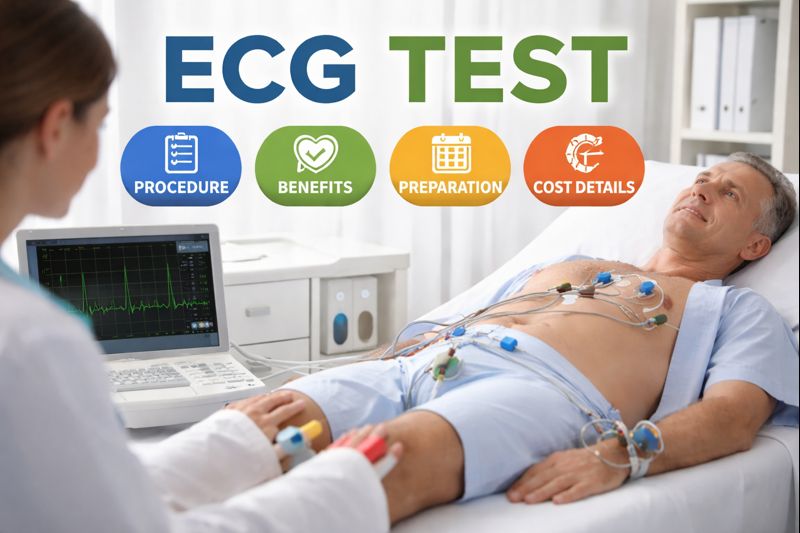
Heart health plays a vital role in overall well-being, and timely diagnosis can help prevent serious complications. One of the most common and reliable tests used to assess heart function is the electrocardiogram, commonly known as an ECG. This simple, painless, and non-invasive test records the electrical activity of the heart and helps doctors detect abnormalities early. Whether you are experiencing symptoms like chest pain, palpitations, or shortness of breath, or undergoing a routine health check-up, an ECG test is often the first investigation recommended by doctors. In today’s fast-paced lifestyle, heart-related concerns are increasing, making awareness about diagnostic tests essential. Patients often look for clarity regarding the test process, benefits, preparation, and especially the ECG test price when planning their medical care. Additionally, with the growing number of diagnostic facilities, many people search online for an ECG near me to find a convenient and reliable center close to their location.
What Is an ECG Test?
An ECG test measures the electrical impulses that trigger each heartbeat. These impulses are recorded as wave patterns on a graph, allowing doctors to evaluate the heart’s rhythm and rate. Any irregularity in these patterns may indicate underlying heart conditions such as arrhythmias, blocked arteries, or previous heart attacks. The test is widely used because it is quick, safe, and provides immediate results. It can be performed in hospitals, diagnostic centers, clinics, and even at home with portable ECG machines under medical supervision.
Why Is an ECG Test Recommended?
Doctors may advise an ECG test for various reasons, including:
- Chest pain or discomfort
- Irregular heartbeat or palpitations
- Shortness of breath or dizziness
- High blood pressure
- Pre-operative cardiac assessment
- Monitoring known heart conditions
- Routine preventive health check-ups
An ECG is also useful for tracking the effectiveness of ongoing heart treatments and medications.
Types of ECG Tests
There are different types of ECG tests, depending on the clinical requirement:
Resting ECG
This is the most common type, performed while the patient is lying down and relaxed. It records heart activity at rest.
Stress ECG (TMT)
Conducted while the patient exercises on a treadmill, this test evaluates how the heart performs under physical stress.
Holter Monitoring
This involves continuous ECG recording over 24–48 hours using a portable device to detect intermittent heart rhythm issues.
Each type serves a specific diagnostic purpose, and your doctor will recommend the most suitable one based on your symptoms.
ECG Test Procedure Explained
The ECG procedure is simple and usually takes about 5–10 minutes:
- You will be asked to lie down on an examination table.
- Small adhesive electrodes are placed on the chest, arms, and legs.
- These electrodes are connected to the ECG machine.
- The machine records the heart’s electrical signals.
- The test is completed, and electrodes are removed.
The results are either reviewed immediately by a doctor or analyzed by a cardiologist for a detailed report.
How to Prepare for an ECG Test
One of the advantages of an ECG test is that it requires minimal preparation. However, a few tips can help ensure accurate results:
- Wear comfortable clothing for easy access to the chest area
- Avoid applying lotions or oils on the skin before the test
- Inform your doctor about any medications you are taking
- Stay relaxed and breathe normally during the procedure
No fasting or special dietary restrictions are usually required unless combined with other tests.
Understanding ECG Test Results
ECG results are displayed as waveforms, which reflect different phases of the heart’s electrical cycle. Doctors analyze these waves to identify:
- Heart rate and rhythm
- Signs of heart enlargement
- Evidence of a previous or ongoing heart attack
- Electrolyte imbalances
- Effects of certain medications
Normal results indicate healthy heart function, while abnormal findings may require further evaluation or additional tests.
ECG Test Price: What to Expect
The ECG test price can vary depending on factors such as location, type of ECG, diagnostic center, and whether the test is part of a health package. On average, a standard ECG test may cost between ₹250 and ₹700 at most diagnostic centers in Delhi. It is always advisable to confirm the cost in advance, especially if additional consultations or reports are included.
How to Find an ECG Near Me
Searching online for ECG near me is one of the easiest ways to locate nearby diagnostic centers. While choosing a facility, consider the following:
- Accreditation and reputation of the diagnostic center
- Availability of experienced technicians and cardiologists
- Turnaround time for reports
- Hygiene and safety standards
- Home ECG testing options, if needed
Reading patient reviews and checking official websites can help you make an informed decision.
Benefits of Getting an ECG Test Done Early
Early detection of heart abnormalities can be life-saving. Key benefits of timely ECG testing include:
- Quick diagnosis of heart rhythm problems
- Prevention of serious cardiac events
- Monitoring heart health over time
- Peace of mind through preventive screening
Regular ECG tests are especially important for individuals with diabetes, hypertension, obesity, or a family history of heart disease.
Conclusion
An ECG test is a fundamental diagnostic tool that plays a crucial role in evaluating heart health. It is quick, painless, affordable, and widely available, making it accessible to people of all age groups. Understanding the procedure, preparation, and results can help patients feel more confident and informed before undergoing the test. When planning your test, considering the ECG test price and choosing a trusted diagnostic center is essential for accurate results. By searching for ECG near me, you can easily find a reliable facility close to you and take a proactive step toward maintaining a healthy heart.