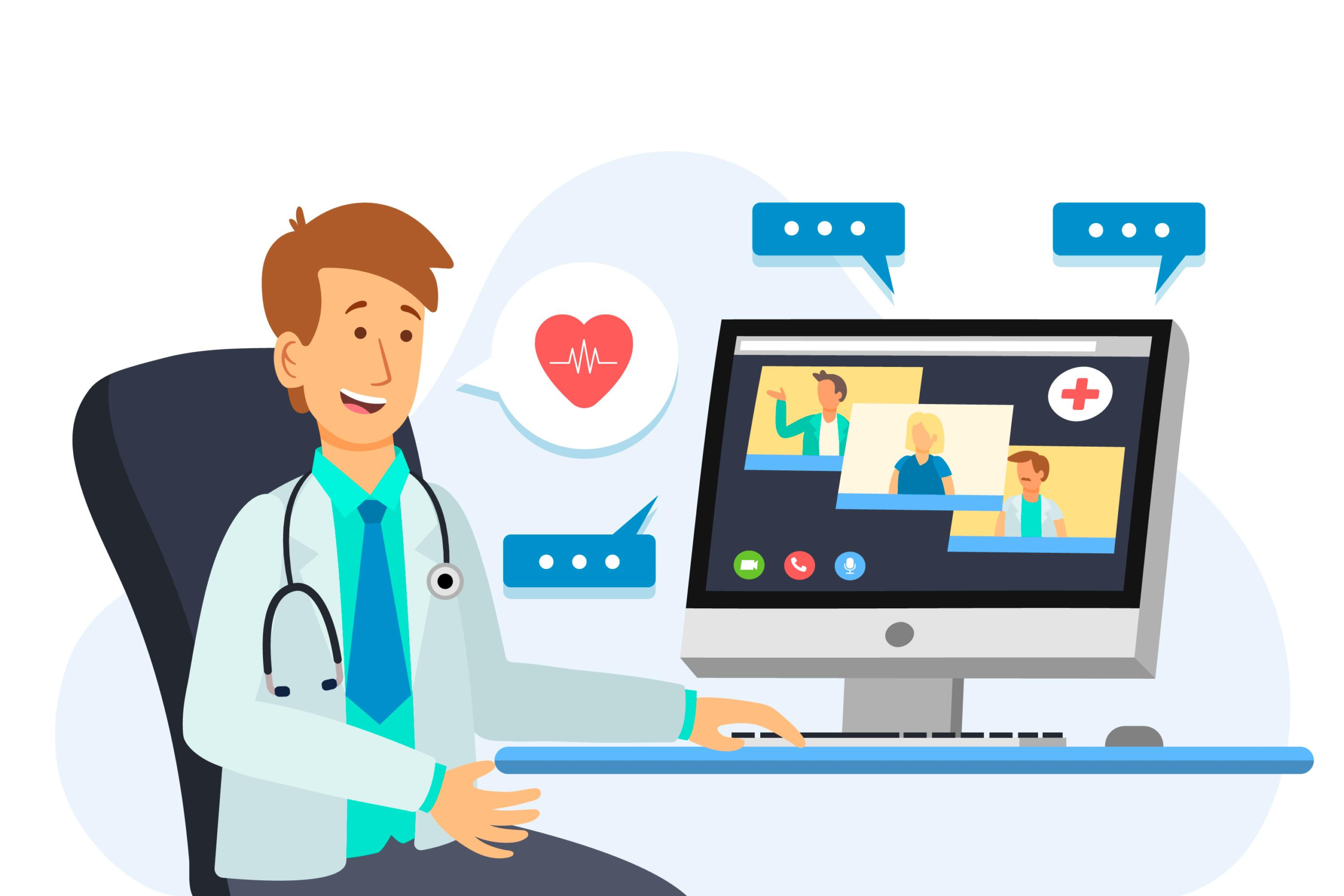
The American medical system is currently facing a silent crisis that affects both the financial survival of local clinics and the mental well-being of our doctors. Running a private practice today requires navigating a mountain of administrative tasks, from typing up endless clinical notes to managing messy appointment books. Integrating a dedicated Virtual Medical Assistant directly into the daily operational workflow has emerged as a groundbreaking solution to slash business expenses while rescuing physicians from extreme mental fatigue. For university students across the United States exploring future careers in healthcare administration, pre-med, or business, analyzing this shift provides a fascinating look into the modern corporate landscape. By moving heavy data entry away from local front desks and onto secure, remote cloud networks, independent medical practices can successfully cut their operational overhead in half while keeping patient healing as their top priority.
What is Driving the Massive Rise in Doctor Burnout?
Modern doctors spend nearly twice as many hours typing on computers and filling out regulatory compliance charts as they do actually talking face-to-face with their patients. This overwhelming administrative burden drains their daily energy, ruins their passion for medicine, and causes thousands of brilliant healthcare professionals to leave the industry entirely out of pure exhaustion.
Defining the Baseline of Remote Medical Support Systems
A virtual healthcare assistant is a highly skilled remote professional who logs into a physical clinic’s secure cloud database from a distraction-free home office. They handle the heavy background logistics—like typing up patient charts, answering administrative phone lines, and filing digital documents—so the on-site team doesn’t have to.
Slicing Real Estate Expenses by Moving to the Cloud
Every physical administrative worker added to an office layout requires a dedicated desk, a comfortable chair, and extra square footage within a highly expensive commercial building. Utilizing remote support networks allows medical practices to operate out of smaller, minimalist locations, saving thousands of dollars every month on corporate leasing fees.
Erasing Upfront Technology and Hardware Overhead Costs
Providing an in-person receptionist with a medical-grade computer tower, dual monitors, a physical desk phone, and software installations creates a major upfront capital expense. Remote assistants supply their own high-speed internet connections and computer setups, drastically lowering a starting clinic’s immediate technology equipment budgets.
The Financial Relief of Eliminating Mandatory Employee Benefits
Hiring full-time, on-site employees in the United States requires business owners to supply expensive benefit packages including health insurance, dental plans, and matching retirement accounts. Because virtual assistants operate through specialized management agencies, clinics are freed from these extra liabilities, paying strictly and exclusively for productive operational hours.
Bypassing the Complex Headache of Local Payroll Taxes
Employing a traditional domestic workforce involves a complicated maze of state taxes, matching federal contributions, and expensive workers’ compensation insurance policies. Contracting administrative workflows out to a secure virtual platform keeps business accounting incredibly clean, as the contract fee on the service agreement is the final price.
Maintaining Continuous Workflow with Automatic Staffing Backups
When a local front-desk receptionist calls out sick or takes a vacation, a physical clinic usually suffers a major drop in daily productivity or has to pay expensive temporary temp agency fees. Remote healthcare networks feature built-in coverage tracking, meaning a trained substitute steps in instantly to keep the clinic’s digital pipelines moving forward.
Stopping Costly Billing Leaks Through Focused Data Precision
Simple clerical typos, like a misspelled middle name or an inverted insurance policy digit, cause automated insurance computers to reject medical claims instantly. Remote data specialists operate in completely silent environments, allowing them to verify patient insurance data and enter complex clinical codes with flawless, focused precision.
Navigating the Complicated Maze of Insurance Clearances
Even when a clinic has a perfectly optimized morning schedule, operations can instantly grind to a halt if an insurance company pauses a necessary treatment plan. Within this high-stress environment, a remote prior authorization specialist operates as a crucial financial shield, gathering physician notes and negotiating with insurers to secure official approvals well before the patient arrives. For pre-med and healthcare administration students, this role highlights how targeted remote delegation can bypass massive real-world business delays. By ensuring that expensive imaging scans or specialized therapies are completely cleared by the insurance payer ahead of time, these remote experts prevent day-of-visit cancellations.
Optimizing the Doctor’s Daily Calendar with Predictive Logic
When scheduling calendars are poorly managed or double-booked without any breathing room, physicians inevitably fall behind schedule and experience severe workplace stress. Virtual schedulers carefully structure the master calendar, separating high-intensity visits from quick check-ups to keep the daily patient flow moving at a predictable, steady pace.
Reclaiming Valuable Physician Time via Remote Live Scribing
Beyond basic calendar tracking, remote administrative specialists can listen into patient examinations through secure audio lines to document the entire conversation in real time. This allows doctors to maintain direct eye contact and connect deeply with their patients instead of staring blankly at a laptop typing notes.
Reducing Extreme Burnout Among In-House Nursing Staff
When physical nurses and medical assistants are constantly buried under an overwhelming mountain of phone messages, fax sheets, and scheduling changes, their morale drops. Offloading the digital noise to an offsite partner gives local workers their peace of mind back, creating a calm, patient-centered healing environment.
Why Learning Strategic Remote Management Supercharges Student Portfolios
Admissions committees at competitive medical, nursing, and healthcare administration graduate programs look for well-rounded applicants who understand that modern medicine is a complex business ecosystem. Students who master virtual workflows today can speak confidently during interviews about reducing system waste, avoiding workplace burnout, and creating a great patient experience.
Keeping Campus Clinics Running Smoothly During Health Surges
University medical centers experience sudden, massive waves of patient visits during seasonal winter flu outbreaks and highly stressful final exam weeks. Flexible virtual assistants help these busy campus offices manage heavy paperwork surges digitally, ensuring student medical records stay perfectly secure and organized even during the most hectic campus weeks.
Preparing for the Permanent Remote Workforce Standards of 2027
By the time the calendar turns to 2027, the traditional model of forcing an in-house team to handle both physical patient care and heavy digital charting will be completely obsolete. Students who take the time to study cross-border data structures and remote resource allocation today will instantly qualify for the highest-paying health leadership roles upon graduation.
Restoring the True Human Heart to the Medical Profession
At the end of the day, cutting clinic overhead in half is not just about saving money or boosting corporate profit margins. It is about restoring the natural, empathetic doctor-patient bond, giving physicians the time and mental freedom they need to deliver exceptional, life-saving human care.