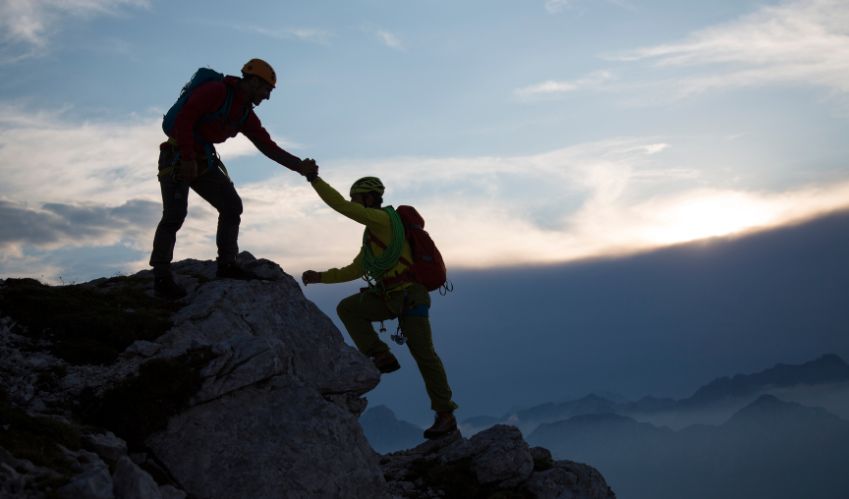
Mountaineering can be described as an adventurous outdoor pursuit which includes, not only the elements of risk and exercise, but also offers the ability to discover some of the world’s finest scenic beauties. It provides the challenge for a person to conquer a peak and offers an opportunity to be closer to nature than possible on any casual stroll. Yet, in terms of climbing mountains, risks can be high, with the dangers of sudden changes in weather conditions, treacherous ground, potential problems with altitude and lack of planning leading to a thrilling trip rapidly turning into an extremely hazardous venture.
For a first-time mountaineer, it is crucial to realize that there are safety requirements that are vital to be known and always followed. Unlike a simple hike, it requires careful consideration as far as planning, equipment and fitness level is concerned and the capability to take sensible decisions even in unfamiliar environments. Below are some tips for new mountaineers that might provide you with a better and safer mountaineering experience whether you are just starting out or wishing to further advance your expertise.
Why Safety Should Be Your Top Priority
For many mountaineers new to the sport the only goal seems to be the summit itself. Though reaching your goal is vital, safety is paramount. Mountains are unpredictable places, a sunny morning can become lashing rain and winds in only a couple of hours, a thick fog descending in even less time, not to mention the rapidly changing temperatures, you should never assume it will stay pleasant.
The saying among mountaineers goes that getting to the summit is only half the journey. Getting back down can be the even harder part of the climb and should be the goal.
Research Your Route Thoroughly
Among the most committed errors by novice climbers is misjudging the level of difficulty for an alpine traverse. Before you begin creating your plan to climb any of these routes locate out as much information about this mountain as possible through research conducted by others who have summited recently, or through the use of trip reports, local resources, as well as researching or consulting your local department of environmental conservation for their most reliable information sources regarding trail conditions; expected weather, the amount of elevation gain expected, and hazards associated with the route you have selected. Also consider whether your selected route has any necessary skills to complete; whether you will need to take with your any special equipment or permit.
Choosing peaks that are appropriate for your skill level will allow you the opportunity to gain experience without undue risk by beginning your travels on beginner type peaks will allow you to develop confidence and the skillset to tackle even more demanding hikes.
Invest in Quality Equipment
Proper equipment can make a significant difference in both comfort and safety. Many mountain accidents occur because climbers use inadequate gear or fail to prepare for changing conditions.
Every beginner mountaineer should carry essential equipment, including:
- Sturdy waterproof hiking or mountaineering boots
- Layered clothing suitable for changing weather
- Navigation tools such as a map and compass
- Headlamp with extra batteries
- First aid kit
- Emergency shelter or blanket
- Sufficient food and water
- Trekking poles for stability
Quality footwear deserves special attention. Mountain trails often involve uneven surfaces, loose rocks, and steep inclines. Well-fitted boots with good ankle support can help prevent slips and injuries.
Learn the Importance of Layering
The weather conditions on a mountain may vary tremendously throughout a day. The temperature might be pleasantly warm at the trailhead, but cold enough to need a hat, gloves, and jacket at high altitudes. Layering enables you to accommodate all the changes without getting over or under dressed.
A simple three-layer system uses a moisture wicking layer close to your body, a middle layer to insulate, and a waterproof out layer for protection from wind and rain. Cotton should be avoided whenever possible. It wicks away sweat but does not evaporate well, leaving you wet and exposed to hypothermia even on a mild day.
Monitor Weather Conditions Carefully
The weather is a crucial element for safety while mountaineering. Check accurate forecasts before the start and update as the ascent gets nearer. Observe variations in temperature, precipitation, wind speed and the warning for storms.
Even if weather conditions are forecast to be ideal, the weather can change rapidly in mountain regions. Dark clouds appearing, stronger wind speed or a steep drop in temperature can be sign of an impending storm.
If bad weather is expected, postposing the activity might be the best and the safest option. The mountains will always remain but one might take excessive risk.
Build Physical Fitness Before Your Adventure
Climbing is a very strenuous activity to undertake and long ascents, with heavy packs, at great heights, demand strength and stamina. Building the necessary cardio and strength for mountain trips can be a crucial step in improving a climber’s ability and ensuring fatigue doesn’t lead to an accident. Hiking, running, cycling, step classes, weights and stair running can all build up cardio strength for traveling up mountains. You should be walking with your rucksack, in your climbing gear, before you head off for your expedition as this helps prepare the body for the rigors of traveling across country at altitude.
As popularity in outdoor activity, like ski, climbing and walking, has increased so have participation levels and according to Expert Market Research the expanding ski market growth reflects an increase in adventure sports across the globe, so safety and adequate training have become paramount.
Understand Altitude Sickness
Altitude is perhaps one of the most obvious and unusual dangers faced by mountaineers. There are less oxygen molecules available at higher altitudes, and consequently the body cannot perform optimally.
Altitude sickness can affect any person of any age, and fitness level. Signs of it are typically headaches, sickness, fatigue, nausea, and shortness of breath. If these are ignored the potential for illness can become more serious.
The surest method of avoiding altitude sickness is to gain altitude gradually, be well hydrated and give your body adequate time to adjust. If problems are encountered one may have to turn back to a lower altitude.
Never Underestimate Navigation Skills
It is easier than ever to navigate thanks to advanced technology; however, it is still dangerous to rely solely on electronic devices that can fail due to lack of power, loss of signal, or malfunctioning equipment.
All mountaineers should develop their own navigational abilities by learning how to read maps and use compasses. By knowing how to locate a place or follow a route when disconnected from technology, they will have some way of backing up their location if they become disconnected from the device.
Navigation errors are one of the leading causes of mountain incidents, so developing navigation skills before going into a remote area improves safety significantly.
Stay Hydrated and Fuel Your Body
Adequate nutrition and water are vital on all mountaineering trips. The activity, combined with high altitude and external influences such as cold weather, will quickly deplete the body of water and fuel.
Many novices only drink when thirsty but by this time, a certain degree of dehydration may be affecting ability to think and perform physical actions. By sipping throughout the trip, hydration levels and mental awareness are better maintained.
Sustaining energy through healthy snacks such as nuts, dried fruit, energy bars and sandwiches are also important for a long day in the mountains. Carrying spare food for potential delays is highly recommended.
Climb with Others Whenever Possible
Although there can be many benefits to any experienced climber who chooses to climb alone, solo climbing is not recommended for starting climbers. There are advantages to climbing with another person because the second person will provide you with more safety, support, and help ease an emergency if you need assistance.
If you have experienced climbing partners, they can also help you find your way if you are having trouble finding routes or assessing the weather or managing the associated risks. In addition, group members can check on each other and help if one of the members becomes injured or sick.
Before leaving to go on your climb, make sure that everyone is familiar with and understands the routes, emergency procedures, and estimated times for completing the trek.
Respect Nature and Practice Responsible Mountaineering
Mountains are fragile ecosystems that deserve protection. Responsible outdoor practices help preserve these environments for future generations while maintaining the natural beauty that attracts hikers, climbers, and adventure enthusiasts from around the world. Every mountaineer has a responsibility to minimize their impact on the environment and contribute to conservation efforts.
One of the most effective ways to protect mountain environments is by following the Leave No Trace principles. This includes staying on designated trails, properly disposing of waste, avoiding damage to vegetation, and respecting wildlife habitats. Even small actions can have a significant impact when thousands of visitors access the same areas each year.
Practicing responsible mountaineering not only protects natural landscapes but also enhances the overall outdoor experience for everyone. By treating mountains with care and respect, climbers can help preserve these remarkable environments while ensuring that future generations can enjoy the same adventures and breathtaking scenery.
Common Mistakes Beginner Mountaineers Should Avoid
Many mountain accidents occur because of avoidable errors. Some of the most common mistakes include:
- Attempting routes beyond current skill levels
- Ignoring weather forecasts
- Carrying insufficient water or food
- Starting climbs too late in the day
- Neglecting navigation preparation
- Underestimating altitude-related risks
- Failing to inform others about travel plans
Recognizing and avoiding these mistakes can significantly improve overall safety.
Know When to Turn Back
One of the most important lessons in mountaineering is knowing when to abandon a summit attempt. Poor weather, exhaustion, injury, equipment issues, or navigation concerns may all justify turning around.
Many experienced climbers consider turning back a sign of good judgment rather than failure. Making smart decisions in challenging situations demonstrates maturity and respect for mountain conditions.
The goal of every climb should be returning safely. There will always be future opportunities to attempt a summit under better circumstances.
FAQs
-
What is the most important safety tip for beginner mountaineers?
The most important safety tip is proper preparation. Beginners should research their route, check weather conditions, carry the right equipment, and ensure they are physically fit before attempting a climb.
-
How can beginners prevent altitude sickness while mountaineering?
Beginners can reduce the risk of altitude sickness by ascending gradually, staying hydrated, eating properly, and allowing enough time for acclimatization. If symptoms worsen, it is important to descend to a lower elevation.
-
What essential gear should a beginner mountaineer carry?
A beginner should carry sturdy boots, layered clothing, a map and compass, a headlamp, a first aid kit, sufficient food and water, and emergency supplies such as a blanket or shelter.
-
Is it safe for beginners to go mountaineering alone?
No, beginners are generally advised to climb with experienced partners or groups. Having companions provides additional support, improves decision-making, and ensures help is available in case of an emergency.
-
Why is checking the weather important before a mountaineering trip?
Mountain weather can change rapidly and create dangerous conditions such as storms, strong winds, and poor visibility. Checking forecasts helps climbers prepare appropriately and avoid unnecessary risks.
Author Bio
Satyam is a business and market research content writer at Expert Market Research, specializing in emerging technologies, digital transformation, and global industry trends. He creates informative and research-focused content related to artificial intelligence, technology markets, and business innovation.