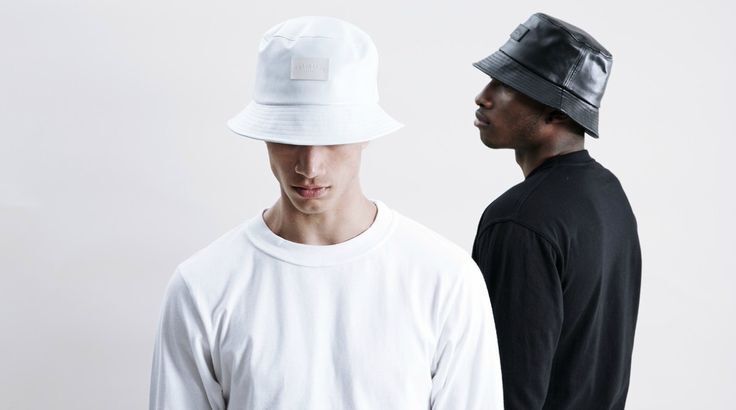
A bucket hat may appear to be quite simple, but making one that will become desirable among customers is not only about the colour and brand. Did you see a hat that looked fabulous in the design file, but it turned out to be totally different once manufactured? The reason behind such cases might be wrong colours, poor placement of artwork, improper fabric choice, or just too much design.
No matter whether you are designing hats for your company, any event, for your community, or even for yourself, correct details will mean the world for the final result. And the best thing here is that you don’t have to be a professional designer to create an outstanding product.
If you follow certain design principles, you’ll be able to create a bucket hat which will stand out, be comfortable to wear, and reflect your idea properly. That is why we prepared 5 design tips which will be useful for you while working on the design of a hat.
What Aspects Should Be Taken into Account in Designing A Bucket Hat
Before you can place your order for manufacturing the hat, check the location where the hat will be worn, the person who will wear it, and the features you want to highlight in the design of the hat.
Here are five things worth considering.
1. Start with the Purpose of Your Bucket Hat
Consider the intent behind the use of the hat in the first place. If the organisation employs bucket hats in the marketing campaign, then perhaps the logo is the most important feature of the design. Alternatively, if the design is more focused on the trend, then the colours and decorations would probably be the key design elements.
Think about:
- Who will wear the hat?
- Where will it be worn?
- Is it for branding, an event, merchandise, or personal use?
- What should people notice first?
For instance, while a sports club would like to incorporate its colours into a badge, the clothing company would like to utilise a distinct design or pattern.
2. Selecting Complementary Colours
Colour plays an important role in the process of designing for almost all designers, and it is recommended to use those colours that enhance the design instead of devaluing it. When designing the cap in a way that represents the brand better, it is advisable to choose colours that are included in the branding because this helps the hat fit well with other products.
Contrast is very crucial. Although a black logo on a dark cap may appear fine on a screen, it generally does not look nice when sewn on the cap. The same applies to colours that are similar to one another.
3. Keep Your Logo or Artwork Clear
A design can contain plenty of detail and still fail if those details disappear at the final size.
When creating custom bucket hats, focus on the elements that need to remain recognisable. Tiny text, extremely thin lines, and complicated graphics may not reproduce well, particularly when embroidery is involved.
Before approving the artwork, check:
- Is the text large enough to read?
- Does the logo have enough contrast?
- Will thin lines remain visible?
- Does the artwork fit the available decoration area?
- Does it still look good at its actual size?
Another big mistake is viewing the artwork only through the computer screen. A logo might look good when you see it big, but once it is shrunk, details become distorted and absurd in another environment.
4. Choose the Correct Material and Features
Apart from looking good, a stylish bucket hat should be comfortable and functional too. The material that works best for casual hats is cotton due to its familiar nature, however, other materials could work better based on the situation of using the hat.
This includes deciding if it is going to be worn daily, out in the open, for an event, or for promotional purposes.
You should also think about:
- Size and fit
- Brim shape
- Stitching
- Embroidery or printing
- Lining
- Adjustable features, where appropriate
The decoration methods selected should also fit well with the design ideas. To illustrate, embroidery can give a raised and textured effect that is suitable for logos and simple graphics, whereas printing can perfectly address complicated and detailed designs.
5. Work with Experienced Cap Makers
A strong design is only part of the process. The manufacturer you choose can have a significant effect on how that design looks when it becomes a finished product. Collaborating with an expert maker of customised caps UK allows you to learn the ins and outs of fabric, decorating methods, and design concepts.
An example of this collaboration is when a manufacturer remarks that a logo has too fine details for embroidery. By addressing problems before production, one saves a lot of money and time by avoiding the need to revise a design.
Before choosing a manufacturer, find out about:
- Available materials and colours
- Embroidery and printing options
- Artwork requirements
- Samples or prototypes
- Minimum order quantities
- Production times
- Quality control
Having good communication at this point is crucial since it can change things from a design that looks good only when viewed on a big screen to one that would look as good on the final hat product.
What Mistakes Should You Avoid?
Even the simplest bucket hats may seem visually unharmonious if the design is not properly approached. Here are just some of the mistakes that can help you create a better design, potentially.
Having Too Many Elements
Having several logos, sayings, patterns, and drawings can make the design too complicated. It is better to choose only one main element and allow it enough space.
Choosing Poor Colour Contrast
Always consider how the logo will look against the actual hat colour. A combination that looks attractive on your monitor may not provide enough contrast once produced.
Adding Tiny Text
Another big mistake is viewing the artwork only through the computer screen. A logo might look good when you see it big, but once it is shrunk, details become distorted and absurd in another environment. If you have no choice, you need to simplify things instead of making everything complicated.
Ignoring Comfort
A visually impressive hat will not achieve much if people do not enjoy wearing it. Consider the fabric, fit, weight, and construction alongside the appearance.
Readers Usually Ask
What artwork works best on a bucket hat?
Simple logos, bold graphics, and clear shapes generally work well. Very small text and fine details can be difficult to reproduce, depending on the decoration technique.
Can I add my business logo to a bucket hat?
Yes. A business logo can usually be added through embroidery or printing, depending on the artwork, material, and desired finish.
May I put a business logo on a bucket hat?
Yes, a business logo can be placed on a bucket hat through either embroidery or printing, depending on the artwork and material of the hat.
What kind of fabric is the most suitable to be used in manufacturing a bucket hat?
The choice of fabric for the bucket hat will depend on the purpose of making that hat.
What questions does a client have for the custom hat manufacturer?
The client needs to know about the fabrics that can be used for making the hats, the methods that can be used for decoration of the hats, the sizes of designs, minimum order quantity, samples, and specifics of the manufacturing process, and the ability to perform quality control.
In a Nutshell!
Customising a bucket hat goes beyond picking a colour and incorporating a logo into the design. The goal of the hat, the artwork, the colours used, the material, and how the design is done all play an integral part in the outcome.
First of all, one should start with clear objectives of why he or she wants the hat made in the first place. Second, make sure the artwork is recognisable. Also, pick the right materials depending on how the hat will be used. Above all else, work with your cap manufacturers.
These professionals can help find problems in production that can otherwise become costly changes, thus making the best design into a completed bucket hat.