
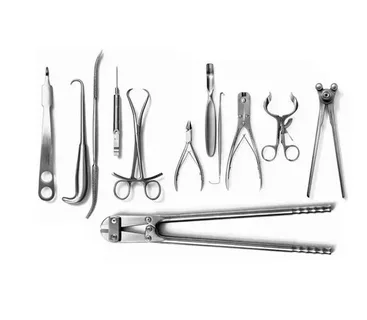
Modern surgical care depends on carefully designed tools that support precision, control, consistency, and efficient handling during specialised procedures. Materials, instrument construction, ergonomics, durability, and manufacturing standards can all influence whether equipment is suitable for its intended clinical application. Careful selection and proper use remain important within established surgical procedures and healthcare environments.
As medical technology continues to develop, orthopedic instruments remain an important part of procedures involving bones, joints, and surrounding musculoskeletal structures. Different instruments are designed for specific surgical tasks, helping healthcare professionals perform procedures with appropriate precision and control. Understanding instrument design and intended applications can support informed equipment selection while recognising the importance of established clinical practices, professional training, and relevant healthcare requirements.
Precision and Orthopedic Instruments Shape Modern Care
Careful instrument selection and design can support surgical workflows by meeting procedure-specific requirements for handling, durability, and compatibility with other medical equipment.
1. Purpose-Built Tools Support Specific Procedures
Different orthopedic procedures require instruments designed for particular clinical tasks. Cutting tools, retractors, forceps, elevators, drills, and other devices may support different stages of surgery. Their design can influence handling, access, and the ability to work within specific anatomical areas. Selecting suitable equipment involves considering the intended procedure and relevant clinical requirements. Proper use, sterilization, maintenance, and adherence to established protocols remain important throughout the instrument lifecycle.
2. Material Quality Supports Long-Term Performance
Surgical instruments are commonly manufactured from materials selected for durability, corrosion resistance, and compatibility with appropriate cleaning and sterilization processes. Material selection can influence the instrument’s weight, strength, surface finish, and long-term maintenance requirements. Consistent manufacturing processes also help support reliable construction. Healthcare facilities should review product specifications and follow relevant instructions for use and care to ensure instruments remain suitable for their intended clinical applications.
3. Ergonomic Design Can Improve Surgical Handling
Instrument design may consider grip, balance, weight, and ease of handling. These characteristics can affect how comfortably a professional manipulates an instrument during a procedure. Different handle shapes and configurations may suit different surgical requirements. Ergonomic considerations do not replace professional skill or training, but appropriate design can support more controlled handling. Evaluating instruments by intended application helps healthcare providers balance practical needs with product specifications and established clinical practice.
Surgical Innovation and Orthopedic Instruments Progress
Advancing manufacturing methods and specialised product development continue to expand the range of tools available for different orthopedic procedures and clinical requirements.
1. Specialised Designs Address Complex Clinical Needs
Modern healthcare environments may require increasingly specialised instruments for different surgical procedures. Instrument sets can include tools developed for particular anatomical areas and surgical approaches. Product design may consider access requirements, procedural steps, and compatibility with related equipment. Healthcare professionals can evaluate available options according to their clinical requirements and institutional protocols. Appropriate training and product familiarity remain important when introducing new instruments into established surgical workflows.
2. Manufacturing Precision Supports Product Consistency
Accurate manufacturing processes can help produce instruments according to defined specifications. Dimensions, finishing, alignment, and component construction may all require careful quality control. Consistency is particularly important when instruments are intended to perform specific mechanical functions during clinical procedures. Manufacturers may use specialised processes to support repeatable production standards. Healthcare buyers should review relevant specifications, quality information, and product documentation to assess whether instruments meet their operational and clinical requirements.
3. Maintenance Protects Instrument Functionality
Regular inspection and appropriate maintenance can help healthcare facilities identify wear or damage affecting instrument condition. Cleaning, sterilisation, storage, and handling procedures should follow relevant manufacturer instructions and institutional protocols. Instruments may require replacement when their condition no longer supports intended use. Maintaining organized inspection and care processes can support equipment management across surgical departments. Proper maintenance also helps facilities monitor their inventory and plan for ongoing equipment requirements over time.
Quality Standards Strengthen Confidence in Surgical Instruments
Careful evaluation of manufacturing quality, product consistency, material standards, and documentation can help healthcare organisations select instruments suited to their clinical and operational requirements.
Assess high-quality surgical instruments based on their intended application, construction, finish, durability, and compatibility with relevant cleaning and sterilisation processes. Healthcare facilities can review product specifications and quality information before adding equipment to their inventory. Consistent inspection, proper storage, and appropriate handling also support ongoing equipment management. By connecting quality considerations with procurement planning and clinical requirements, organisations can maintain a more structured approach to selecting and managing surgical instruments across different departments and procedure-specific environments.
Instrument Planning Supports Organised Surgical Workflows
Surgical teams can benefit from structured instrument preparation, clear equipment organisation, and procedure-specific planning that support efficient clinical workflows and operational readiness.
Preparing Procedure-Specific Instrument Sets
- Organise instruments by planned procedure and clinical requirements.
- Check availability and condition before the procedure begins.
- Keep instrument sets clearly arranged for easier identification.
- Follow established facility protocols for preparation, handling, and safety.
- Coordinate inventory requirements to ensure equipment is available.
Careful preparation helps teams maintain organised workflows and ensures relevant instruments are accessible when needed.
Reviewing Compatibility and Product Requirements
- Review instrument specifications before introducing new equipment.
- Consider compatibility with related systems and intended applications.
- Assess maintenance needs and available product documentation.
- Involve procurement and relevant clinical professionals in evaluation.
- Align equipment choices with institutional procedures and operational requirements.
A structured review process can support informed selection decisions while helping facilities manage equipment requirements more effectively across different clinical environments.
Conclusion
The evolution of surgical tools reflects continued attention to specialised design, material quality, manufacturing consistency, and practical handling requirements. Orthopedic Surgical Instruments can support a range of procedure-specific requirements when selected according to their intended applications. Proper product selection, handling, maintenance, and adherence to relevant clinical protocols remain important considerations for healthcare facilities. Procurement teams can also review instrument specifications, materials, durability, compatibility, and maintenance requirements before making purchasing decisions.
For healthcare organisations exploring specialised surgical equipment, Salwan Surgicare offers a range of orthopedic and surgical instruments designed for different medical requirements. Healthcare professionals and procurement teams can review product specifications and intended applications to identify options that meet their institutional needs. Careful evaluation of quality, maintenance requirements, product suitability, and relevant clinical considerations can support more informed equipment selection and contribute to organised surgical supply planning.