
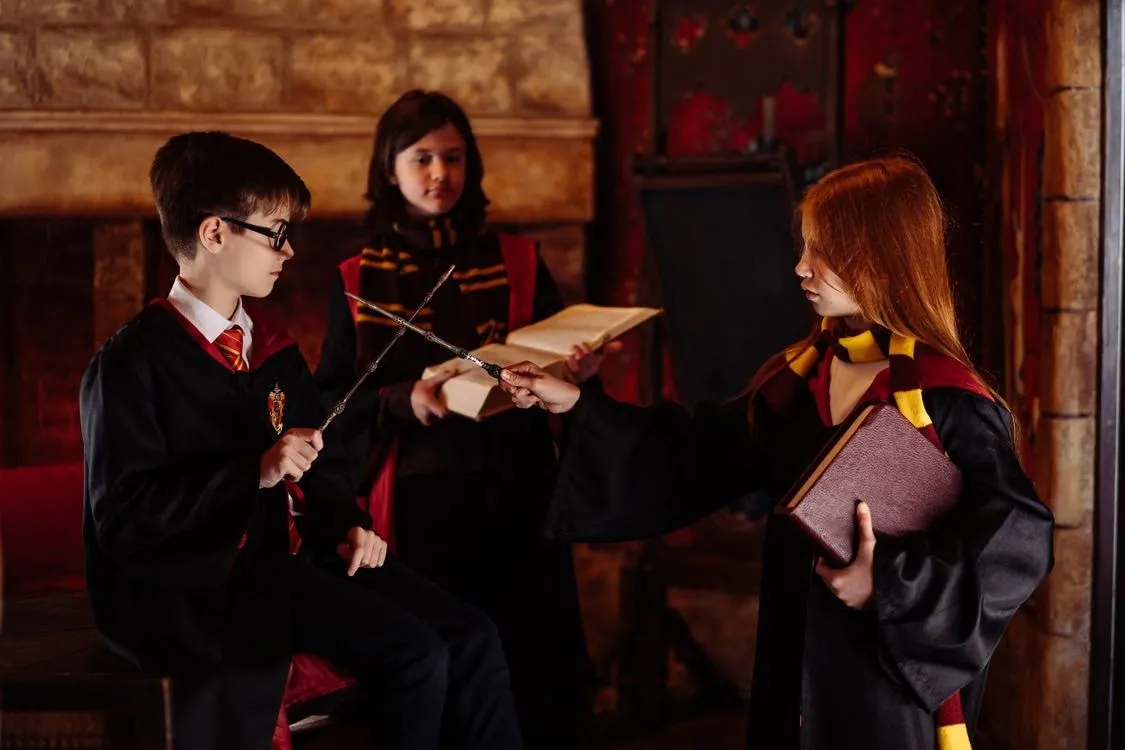
Children learn best when they are engaged, curious, and excited. A fantasy book for kids offers much more than magical creatures and enchanted kingdoms—it creates meaningful learning experiences hidden inside unforgettable adventures. Through imaginative storytelling, children develop important life skills while enjoying exciting journeys that capture their attention from beginning to end.
Unlike traditional educational materials, fantasy stories teach lessons naturally. Young readers become emotionally connected to characters, solve mysteries alongside heroes, and discover valuable ideas without feeling like they are studying. Every magical quest becomes an opportunity to build confidence, creativity, and critical thinking.
Adventure Makes Learning More Exciting
Adventure keeps children motivated to continue reading. Every chapter introduces a new challenge, mysterious location, or magical discovery that encourages readers to keep turning pages.
As children follow brave heroes through enchanted forests, hidden castles, or magical schools, they stay actively involved in the story. This engagement improves reading comprehension because children pay closer attention to details, remember important events, and connect ideas throughout the book. Adventure-focused fantasy books are especially effective at encouraging reluctant readers to develop consistent reading habits.
Imagination Builds Creative Thinking
Fantasy introduces children to worlds where almost anything is possible. Dragons become friends, animals speak, and ordinary children discover extraordinary powers. These imaginative settings encourage readers to think beyond everyday limitations.
Creative thinking developed through fantasy reading often extends into school projects, art activities, storytelling, and problem-solving. Children begin asking “What if?” questions and explore multiple possibilities before making decisions.
This creativity supports learning across many subjects, including writing, science, history, and even mathematics, where innovative thinking often leads to better solutions.
Problem-Solving Through Magical Challenges
Every exciting fantasy story presents obstacles that characters must overcome. Heroes solve riddles, decode ancient maps, escape dangerous situations, and make difficult choices.
While reading, children naturally practice analytical thinking by asking questions such as:
- What should the hero do next?
- Which decision is the safest?
- How can the problem be solved?
- What clues have already appeared?
These mental exercises strengthen logical reasoning and decision-making skills that children can use both inside and outside the classroom.
Research suggests that certain types of fantasy stories can even encourage deeper processing of educational information when imaginative elements are integrated effectively.
Expanding Vocabulary Naturally
Fantasy books often introduce unique words, magical objects, mythical creatures, and descriptive language. Instead of memorizing vocabulary lists, children learn new words through context.
For example, they may encounter words describing:
- Courage
- Enchantment
- Kingdom
- Guardian
- Quest
- Wisdom
- Ancient
- Mysterious
Repeated exposure helps children understand meanings naturally while improving reading fluency and communication skills.
Learning Important Life Values
Behind every magical adventure lies an important lesson. Fantasy stories often explore universal values that children can understand and apply in everyday life.
Some of these include:
Courage
Heroes often face frightening situations but continue moving forward despite fear.
Friendship
Strong friendships help characters overcome challenges together.
Kindness
Acts of compassion frequently change the outcome of difficult situations.
Honesty
Truthfulness builds trust between characters and leads to better decisions.
Responsibility
Many young heroes discover that great power comes with important responsibilities.
These lessons become memorable because they are connected to emotional experiences within the story.
Encouraging Emotional Growth
Fantasy stories help children understand emotions in a safe and imaginative environment.
Characters experience:
- Fear
- Excitement
- Sadness
- Joy
- Disappointment
- Hope
As children witness these emotional journeys, they begin recognizing similar feelings within themselves. This improves emotional intelligence and empathy while helping young readers understand different perspectives.
Fantasy also shows that setbacks are temporary and that perseverance often leads to success.
Building Reading Confidence
Completing an exciting fantasy novel gives children a strong sense of achievement. Every finished chapter builds confidence, making longer books feel less intimidating over time.
Many young readers who begin with fantasy eventually develop an interest in other genres, including historical fiction, mystery, science, and biographies. Adventure stories can therefore become the foundation for a lifelong love of reading. Reading organizations frequently recommend engaging fantasy and adventure series because they help sustain children’s interest in books.
Inspiring Curiosity About the Real World
Although fantasy stories are fictional, they often encourage children to explore real-world topics.
After reading fantasy adventures, children may become curious about:
- Ancient civilizations
- Mythology
- Wildlife
- Geography
- Astronomy
- History
- Different cultures
Parents and teachers can build on this curiosity by introducing nonfiction books or educational activities related to the story.
Supporting Classroom Learning
Teachers frequently use storytelling because it improves student engagement and participation.
Fantasy books can support classroom learning by encouraging:
- Creative writing
- Reading comprehension
- Group discussions
- Vocabulary development
- Critical thinking
- Public speaking
- Story analysis
Children who regularly read imaginative stories often become more confident when expressing ideas during class activities.
Why Parents Should Choose Fantasy Books
When selecting a fantasy book for children, parents should consider:
- Age-appropriate language
- Positive life lessons
- Strong role models
- Engaging adventures
- Healthy friendships
- Creative storytelling
- Suitable reading level
A well-written fantasy story entertains while encouraging personal growth, making it an excellent addition to every child’s bookshelf.
The Lasting Impact of Fantasy Adventures
The lessons children learn through fantasy remain valuable long after the final page. They remember brave characters who never gave up, friendships that overcame impossible odds, and magical worlds that inspired endless imagination.
These stories shape confidence, resilience, creativity, and curiosity—qualities that benefit children throughout school and later in life. As author Danielle Antonio Klassen believes, meaningful stories have the power to inspire young minds and encourage lifelong learning through imagination.
Conclusion
A fantasy book for kids offers far more than magical entertainment. It transforms reading into an exciting adventure where children strengthen vocabulary, improve problem-solving skills, develop emotional intelligence, and discover valuable life lessons. Every magical quest encourages curiosity, confidence, and creativity while making learning enjoyable.
When children become immersed in imaginative adventures, they are not simply escaping into fantasy—they are building the skills and mindset needed for success in the real world.