
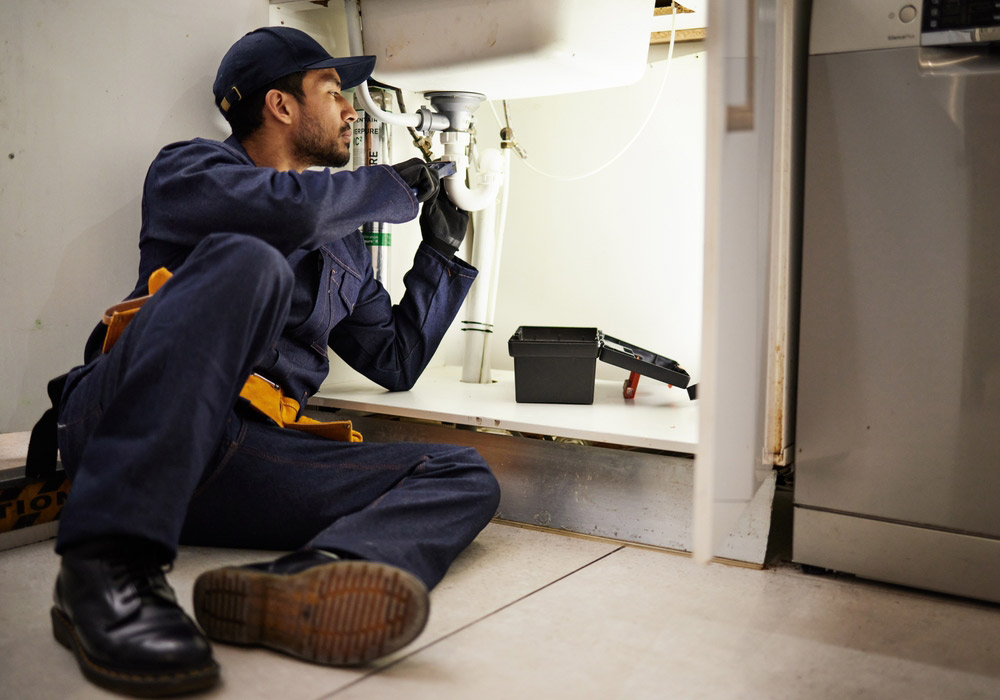
Plumbing emergencies can disrupt homes and businesses without warning, turning a minor leak or blocked drain into a problem requiring immediate attention and careful handling.
For property owners searching for an emergency plumber in Dubai, quick access to qualified assistance can help limit water damage and restore essential plumbing functions. Common emergencies include burst pipes, overflowing fixtures, blocked drains, leaking water heaters, damaged valves, and sudden loss of water supply. Addressing these problems promptly can help prevent further damage to walls, flooring, furniture, electrical systems, and other property components. Emergency plumbing also requires more than simply stopping a leak. Identifying the underlying cause, assessing the affected system, and carrying out an appropriate repair can help reduce the likelihood of the same issue returning.
Recognising Common Plumbing Emergencies In Properties
Understanding common plumbing problems can help property owners identify situations that may require prompt professional attention rather than routine maintenance.
1. Burst Pipes And Major Leaks
Burst pipes can release substantial amounts of water quickly, potentially affecting walls, ceilings, flooring, and personal belongings. Isolate the water supply where possible while arranging professional assistance. Quick action can help limit damage until the underlying pipe problem is properly assessed and repaired.
2. Overflowing Toilets And Fixtures
An overflowing toilet or plumbing fixture can quickly create unsanitary conditions and damage surrounding flooring. Stop the immediate water source if you can do so safely. A professional can then inspect the blockage, valve, drainage system, or other underlying issue contributing to the overflow.
3. Blocked And Backed-Up Drains
Severe blockages can prevent wastewater from flowing normally and may eventually cause water to back up into sinks, bathrooms, or other areas. Repeated blockages can indicate deeper drainage problems. Professional assessment can help identify whether the issue involves buildup, damaged pipes, or another obstruction.
4. Water Heater Problems
Water heater failures can cause leaks, inconsistent temperatures, unusual noises, or a complete loss of hot water. Leaking units may also cause surrounding property damage if left unattended. A qualified technician can assess the heater, connections, valves, and related components to determine the appropriate repair.
5. Sudden Loss Of Water Supply
Unexpected loss of water can affect kitchens, bathrooms, commercial operations, and other essential activities. The cause may involve valves, internal plumbing, supply connections, or broader network issues. Professional inspection can help determine whether the problem originates within the property or from an external supply.
Responding Quickly To Unexpected Plumbing Problems
Prompt action can help contain plumbing emergencies while giving professionals a clearer starting point for identifying and addressing the underlying problem.
When contacting an emergency plumber in Dubai, property owners should provide clear information about the situation, including the affected area, visible leaks, unusual sounds, loss of water, or drainage problems. If safely accessible, turn off the main water supply to reduce ongoing leakage. Do not handle electrical equipment near standing water, as water can create serious electrical hazards. Property owners can also move valuable items away from affected areas where it is safe to do so. Avoiding improvised repairs can be important because incorrect methods may worsen pipe damage or create additional complications. Clear communication and prompt professional assessment can help establish an appropriate response.
Essential Steps In Emergency Plumbing Management
A structured response can help reduce disruption while ensuring the plumbing problem receives appropriate technical attention.
1. Identifying The Source
Finding the source of a leak or blockage is an important first step. Visible water may not always indicate where the underlying failure occurred. Professionals can inspect accessible pipes, fixtures, valves, connections, and drainage points to identify the cause and determine the appropriate repair.
2. Containing Immediate Damage
Once the problem is identified, controlling the flow of water can help limit further property damage. Depending on the situation, this may involve isolating a fixture or shutting off the main supply. Immediate containment provides time for a proper assessment and repair.
3. Assessing Affected Components
Emergency situations can involve more than one damaged component. A professional assessment can examine pipes, joints, valves, fixtures, drains, pumps, and related equipment. Understanding the extent of the problem helps determine whether a targeted repair or broader intervention is required.
4. Completing Necessary Repairs
The repair approach depends on the type and severity of the plumbing issue. Damaged connections may require replacement, blocked drains may need professional clearing, and failed components may need repair or replacement. Proper repairs should address the underlying problem rather than only visible symptoms.
5. Checking The System Afterwards
Following repairs, the affected plumbing system should be checked to confirm that water is flowing correctly and leaks have been addressed. Testing can help identify remaining issues before the property returns to normal use and can provide greater confidence in the completed repair.
Preventing Recurring Plumbing Emergencies
Although emergencies cannot always be predicted, regular maintenance and early attention to warning signs can help reduce avoidable plumbing failures.
Small leaks, slow drains, unusual pipe noises, fluctuating water pressure, damp patches, and recurring blockages can indicate developing problems. Addressing these signs early may prevent them from becoming more disruptive emergencies. Property owners can also maintain fixtures properly, avoid putting unsuitable materials into drains, and arrange periodic inspections for plumbing systems where appropriate. Older properties may require particular attention because pipes, valves, seals, and connections can deteriorate over time. Commercial properties with high water usage may also benefit from planned maintenance schedules. Preventive attention cannot eliminate every plumbing emergency, but it can help identify weaknesses before they result in major disruption or property damage.
Conclusion
Plumbing emergencies can range from burst pipes and major leaks to blocked drains, overflowing fixtures, water heater failures, and unexpected water-supply problems. Prompt action, safe containment, accurate diagnosis, and appropriate repairs can help reduce property damage and restore normal operations.
For property owners seeking reliable plumbing services, TOBA Gold Building Maintenance LLC (TOBA GROUP) can provide building maintenance and related plumbing support. They can assist property owners with maintenance needs while addressing plumbing concerns appropriately. Keeping essential shut-off information accessible, responding quickly to warning signs, and arranging professional assistance when necessary can help properties remain safer, more functional, and better prepared for unexpected plumbing problems.