
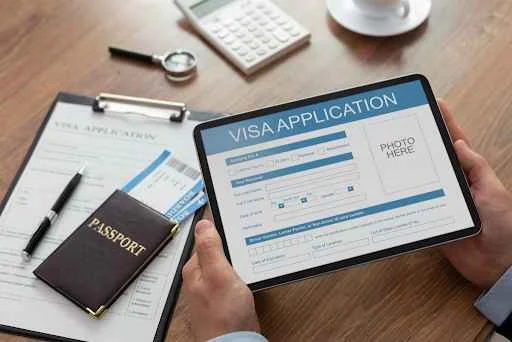
Applying for a visa involves several stages, and arranging an interview can be one of the most important parts of the process. Applicants may need to secure visa interview appointments after completing the relevant application and paying the applicable fee. Understanding the scheduling process in advance can help travellers prepare properly and avoid unnecessary confusion.
An interview date should not be viewed as an isolated step. It connects the application, document preparation, appointment attendance, and subsequent processing stages. Appointment availability can also vary by visa category, location, application volume, and seasonal demand. Understanding these factors helps applicants plan more realistically and allows enough time for each stage.
Understanding The Appointment Scheduling Process
The appointment process generally begins after an applicant completes the required application steps and receives the information needed to schedule an interview. Depending on the destination and visa category, applicants may need to use an official online scheduling system or follow specific instructions provided by the relevant authorities.
Applicants should carefully review the instructions before attempting to schedule an appointment. Enter information such as passport details, application references, payment records, and visa category accurately. Keeping these details accessible makes the scheduling process more straightforward and reduces the chance of avoidable errors.
- Complete the relevant visa application
- Pay the applicable application fee
- Access the required appointment system
- Enter accurate applicant information
- Select the appropriate visa category
- Choose an available appointment location
- Confirm the appointment details
- Save the confirmation information
Following the correct sequence helps applicants stay organised throughout the scheduling process. Keeping digital and printed copies of important confirmations can also make it easier to refer to appointment details later.
Factors That Affect Appointment Availability
Interview availability can vary based on application demand and administrative capacity, especially during busy travel periods. Applicants should avoid assuming immediate availability, while those seeking visa assistance services can benefit from guidance on the scheduling process and preparation needed before booking.
-
Seasonal Travel Demand
Application volumes can rise during school holidays, festive periods, and popular travel seasons, which may reduce the availability of convenient interview dates. Applicants with fixed travel plans should prepare early and allow extra time in case their preferred date is unavailable.
-
Visa Category
Visa categories can have different appointment procedures and requirements. Applicants should select the appropriate category before scheduling and ensure that the information entered during booking matches the details provided in their application.
-
Application Location
The chosen interview location can influence appointment availability, as some centres may experience higher demand than others. Applicants should check the locations available to them and select one that is suitable for their circumstances and travel plans.
-
Cancellation And Rescheduling
Applicants should understand the applicable rules before cancelling or changing an appointment. If rescheduling becomes necessary, they should follow the official procedure and keep their appointment confirmation and reference details safely for future use.
-
Appointment Confirmation
After booking, applicants should carefully review the appointment date, time, location, and personal details. Keeping a digital or printed copy of the confirmation can make it easier to access important information when preparing for the interview.
Preparing Before The Interview Date
Securing an appointment is only one part of the visa process. Applicants should use the time before the interview to review their application, organise supporting documents, and become familiar with the information they have submitted.
The interview should be approached with honesty and confidence. Applicants do not need to memorise scripted responses. Instead, they should understand their travel purpose, personal circumstances, employment, finances, and other information relevant to their application.
Organizing Important Documents
Having relevant documents prepared before the appointment can reduce last-minute pressure. The exact requirements depend on the visa category and individual circumstances, so applicants should consult the applicable official instructions when preparing their document file.
Documents should be arranged logically and checked for accuracy. Applicants should also ensure that important records are current, readable, and consistent with the information already provided in their application.
- Valid passport and identification documents
- Application confirmation and appointment confirmation
- Payment or fee-related records
- Relevant financial documents
- Employment or educational records
- Travel and accommodation information
- Supporting documents for the selected visa category
- Additional documents specifically requested
A well-organized file makes it easier to locate important records when needed. Applicants should focus on relevant documentation rather than adding unnecessary papers simply to make the file appear more comprehensive.
Planning Around The Appointment
Applicants should consider their interview date when planning flights, accommodation, work leave, and other travel arrangements. Making inflexible travel commitments too early can create difficulties if the visa process takes longer than expected.
Leaving sufficient time between the interview and intended travel date can provide greater flexibility. It also gives applicants room to respond if additional information or administrative steps are required after the interview.
Using Professional Guidance Responsibly
Professional assistance can help applicants who are unfamiliar with appointment procedures, documentation, or application preparation. A responsible provider should explain the process clearly and help applicants understand the steps they need to complete themselves.
Applicants should remain cautious of services that promise guaranteed appointments or visa approval. Professional guidance can support preparation and organisation, but final decisions and appointment availability remain with the relevant authorities.
Conclusion
Understanding appointment procedures, checking requirements, preparing documents, and allowing sufficient time can help applicants manage the visa process more confidently. Careful planning also reduces the risk of last-minute confusion and helps travellers coordinate their application with their broader travel plans.
For applicants seeking dependable support, visa assistance services from Schengen Visa Consultancy Limited can provide practical guidance with application preparation and related procedures. With organised support, travellers can approach the process with greater clarity while keeping their expectations realistic and ensuring that their information is accurate.